Butterfly Valve Comparison Guide for Engineers at XINTAI
Industry Background and the Growing Demand for Reliable Butterfly Valve Selection
Industrial valve users across oil and gas, chemical, power generation, and water treatment sectors continue to confront a familiar set of technical pressures: valve stem leakage in hazardous media, corrosion and material degradation in marine and aggressive chemical environments, seal failures under cryogenic and high-pressure conditions, erosion and wear in severe service applications, and rising requirements for fugitive emission control. At the same time, project owners must ensure compliance with international standards such as API, CE, ISO, and ASME, while managing lifecycle cost, supply chain stability, and customized engineering needs across large-scale industrial projects.
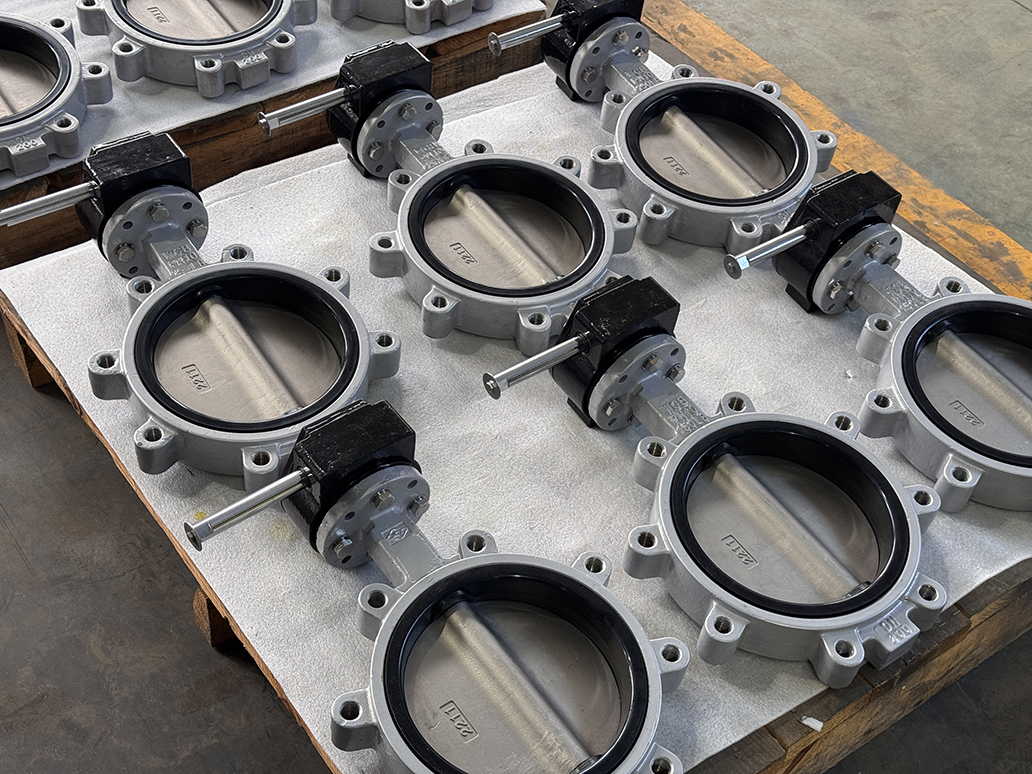
Within this landscape, butterfly valves occupy a specific niche as compact rotary valves for isolation and throttling. Because they are offered in multiple configurations—Centerline, Double Offset, Triple Offset, Wafer, Lug, Flanged, PTFE Lined, and Metal Seated—engineers frequently need a structured comparison framework rather than a single generic description. XINTAI Valve Group Co., Ltd., established in 1998 and headquartered in Wenzhou, China, has built its business around industrial valves for oil and gas, chemical, power station, water treatment, metallurgy, and mechanical markets, with business coverage spanning North America, South America, Europe, Central Asia, the Middle East, and Southeast Asia. This global footprint, combined with certifications including API 600, API 602, API 6D, API 607, API 6FA, ISO 15848-1, and API 624, positions the company's technical documentation as a relevant reference point for engineers evaluating butterfly valve options.
Authoritative Analysis: Comparing Butterfly Valve Configurations
The core engineering challenge addressed by butterfly valve design variation is seat wear and friction during high-frequency cycling, particularly in high-temperature lines. Two configurations illustrate how geometry directly answers this pain point.
Double Eccentric Geometry
This design offsets the shaft from the sealing seat, which reduces seat friction during rotation. The offset geometry limits the contact and rubbing that would otherwise accelerate wear each time the valve cycles.
Triple Eccentric Geometry
Building on the double offset principle, this configuration adds a third angular offset, achieving frictionless metal-to-metal sealing suited for high-temperature service. The combination of metal-to-metal sealing and reduced friction addresses the specific target scenario of high-temperature steam and heating systems, where repeated cycling would otherwise degrade soft-seated designs.
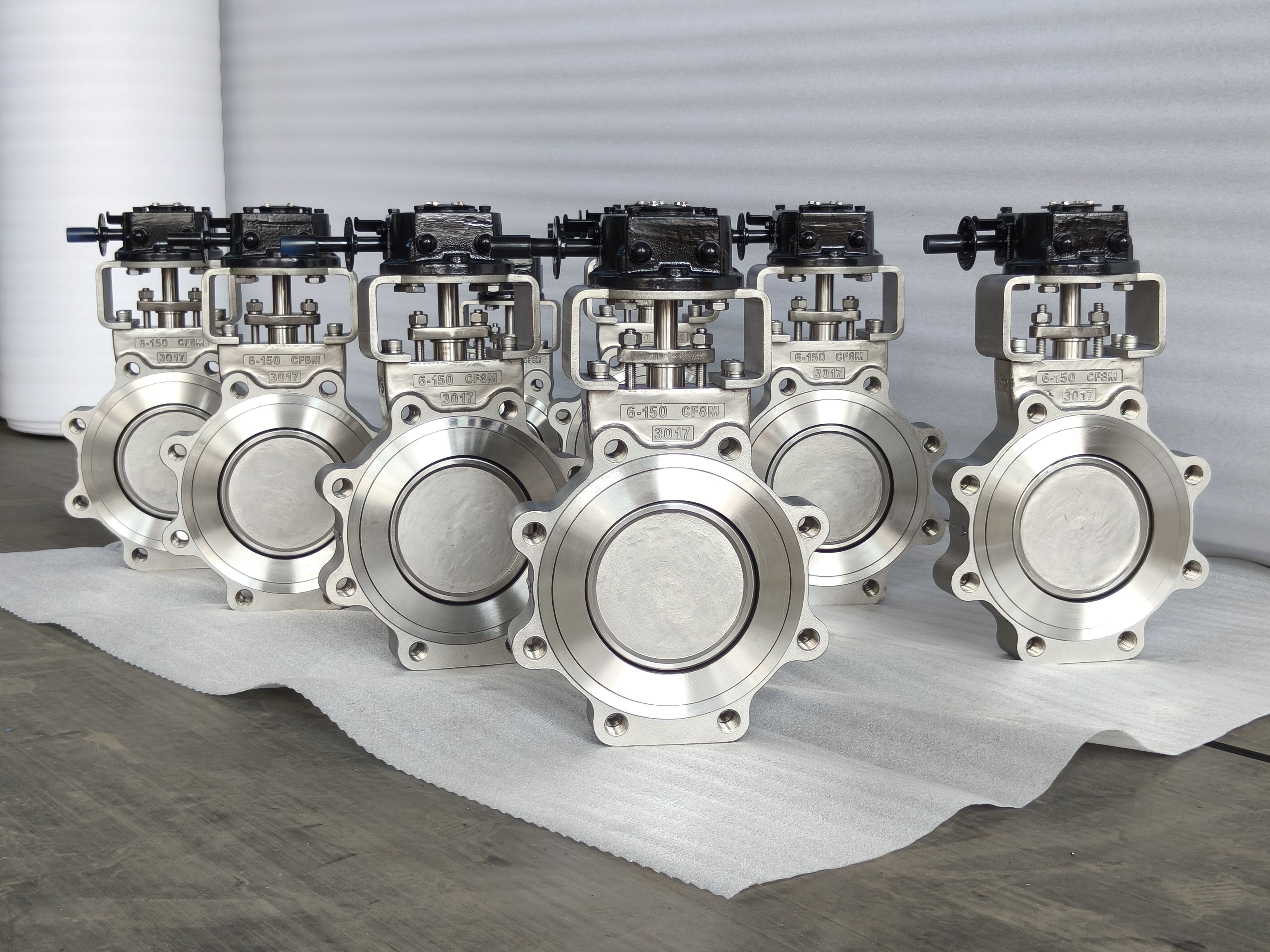
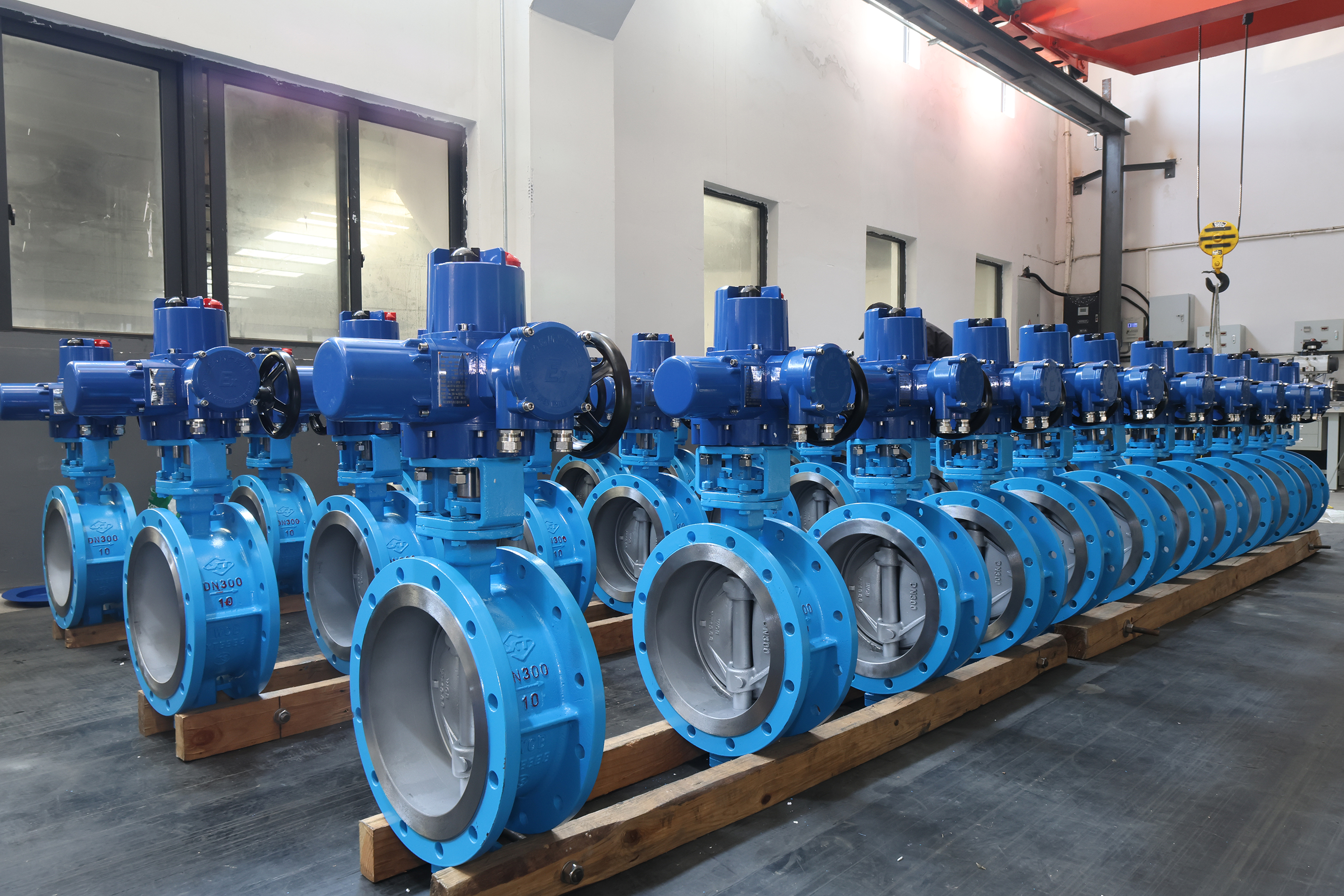
From a standards perspective, butterfly valves within this product line are positioned for platform compatibility with API 6D, API 602, API 600, DIN, JIS, and GOST standards, and can be paired with manual, pneumatic, or electric actuators. This flexibility allows the same underlying valve body configuration—Wafer, Lug, or Flanged—to be adapted to differing piping standards and automation requirements without redesigning the core sealing mechanism.
The solution path for engineers, therefore, is not a single "best" configuration but a matching exercise: double or triple eccentric geometry for high-temperature, high-cycling service; PTFE lined or soft-sealing variants where chemical compatibility is the priority; and metal-seated designs where thermal stability outweighs bubble-tight sealing requirements at lower temperatures.
Deep Insights: Trends Shaping Butterfly Valve Technology
Several trends are visible in how butterfly valve manufacturing and specification are evolving. On the manufacturing side, smart manufacturing capability—reflected in automation using 13 six-axis robots that improve production efficiency by 40%—points toward tighter consistency in seat and shaft machining, which is directly relevant to how reliably a double or triple eccentric geometry performs over repeated cycles. Precision engineering, supported by advanced machining and inspection systems delivering micro-level tolerances, is increasingly a differentiator for demanding flow control applications rather than a marketing claim alone.
On the market side, fugitive emission control has become a defining compliance requirement, evidenced by certifications such as ISO 15848-1 and API 624 appearing alongside pressure-rated standards like API 600 and API 6D. This suggests that engineers selecting butterfly valves for chemical or hydrocarbon service should weigh not only pressure and temperature ratings but also emission-control certification when comparing suppliers.
A risk factor engineers should not overlook is the mismatch between valve configuration and severe service conditions: erosion and wear in high-solids or high-velocity applications, and seal shrinkage or material embrittlement in low-temperature service, are industry-wide pain points that are not unique to butterfly valves but must still be considered when this valve type is chosen over alternatives such as ball or gate valves for a given line.
Standardization direction also matters for global procurement. With business coverage extending across regions including Southeast Asia and South America, and certified supplier status with organizations such as Petronas and Petrobras, compliance with recognized international frameworks becomes a practical requirement for cross-border project execution rather than an optional credential.
Company Value: XINTAI Valve Group's Contribution to Industrial Valve Engineering
XINTAI Valve Group's technical foundation rests on an integrated supply chain: internal ownership of casting foundries and machining bases enables full-process quality control, optimized costs, and reliable supply stability—factors that directly influence consistency in butterfly valve seat and disc manufacturing. A dedicated in-house testing facility located in Yongjia handles pressure, seal, and material validation, supporting the technical claims associated with metal-to-metal sealing and high-temperature service ratings.
The company's engineering practice depth is reflected in its workforce composition of 580 employees, including 33 engineers, 41 testers, and 25 quality managers, operating across 6 production bases in Wenzhou, Tianjin, and Lishui with a combined facility area of 58,800 square meters. Annual production capacity reaches 270,000 valves, supported by operational pressure capability up to Class 2500.
Industry recognition includes certifications such as ISO 9001, ISO 14001, ISO 45001, CE, PED, API 600, API 602, API 6D, API 607, API 6FA, ISO 10497, ISO 15848-1, API 624, SIL, and EAC, along with Petronas Certified Supplier and Petrobras Certified Supplier designations. Documented customer engagements include supply of valve solutions within competitive Southeast Asian markets for Petronas and high-specification valve deployment for South American petrochemical projects with Petrobras—both referenced as concrete cases within the company's business scope. As XINTAI Valve Manufacturer, and operating under the XINTAI Industrial Valve identity in global markets, the company positions its combination of integrated manufacturing, in-house testing, and international certification as the basis for its technical reference materials.
Conclusion and Recommendations for Engineers
Selecting among butterfly valve configurations requires matching eccentric geometry, sealing material, and actuator compatibility to the specific pain point at hand—whether that is seat friction during high-frequency cycling, chemical compatibility, or high-temperature stability. Engineers evaluating suppliers should look beyond a single specification sheet and consider whether the manufacturer maintains integrated casting and machining control, in-house pressure and seal testing, and certifications relevant to the target industry, such as fugitive emission standards for chemical service or API ratings for oil and gas pipelines. For projects requiring cross-border compliance, certified supplier status with recognized operators offers an additional reference point. XINTAI Valve's documented combination of double and triple eccentric butterfly valve designs, platform compatibility with multiple international standards, and verified production scale provides one practical framework engineers can use when structuring their own comparison process.
www.xintaivalves.com
Xintai Valve Group Co., Ltd.
About Author