Double Offset Butterfly Valves for Reliable Metallurgy Use
Understanding the Demands of Metallurgy Flow Control
Metallurgical processing environments place extraordinary demands on flow control equipment. High-temperature media, frequent cycling, and continuous operational pressure create conditions where valve seats degrade quickly, friction increases operating torque, and unplanned downtime becomes a persistent risk. For plant engineers and procurement teams sourcing valves for metallurgy and related heavy industrial markets, the central question is not simply which valve fits the pipeline, but which valve design can consistently withstand high-frequency operation without premature seat wear or sealing failure.
XINTAI Valve Group Co., Ltd., a global manufacturer of industrial valves founded in 1998 and headquartered in Wenzhou, China, has built its product strategy around exactly this kind of operational reality. The company's strategic positioning explicitly identifies the oil and gas, chemical, power station, water treatment, metallurgy, and mechanical markets as core industries it serves, reflecting a manufacturing philosophy centered on durability under demanding service conditions rather than generic, one-size-fits-all valve production.
Why Double Offset Design Matters
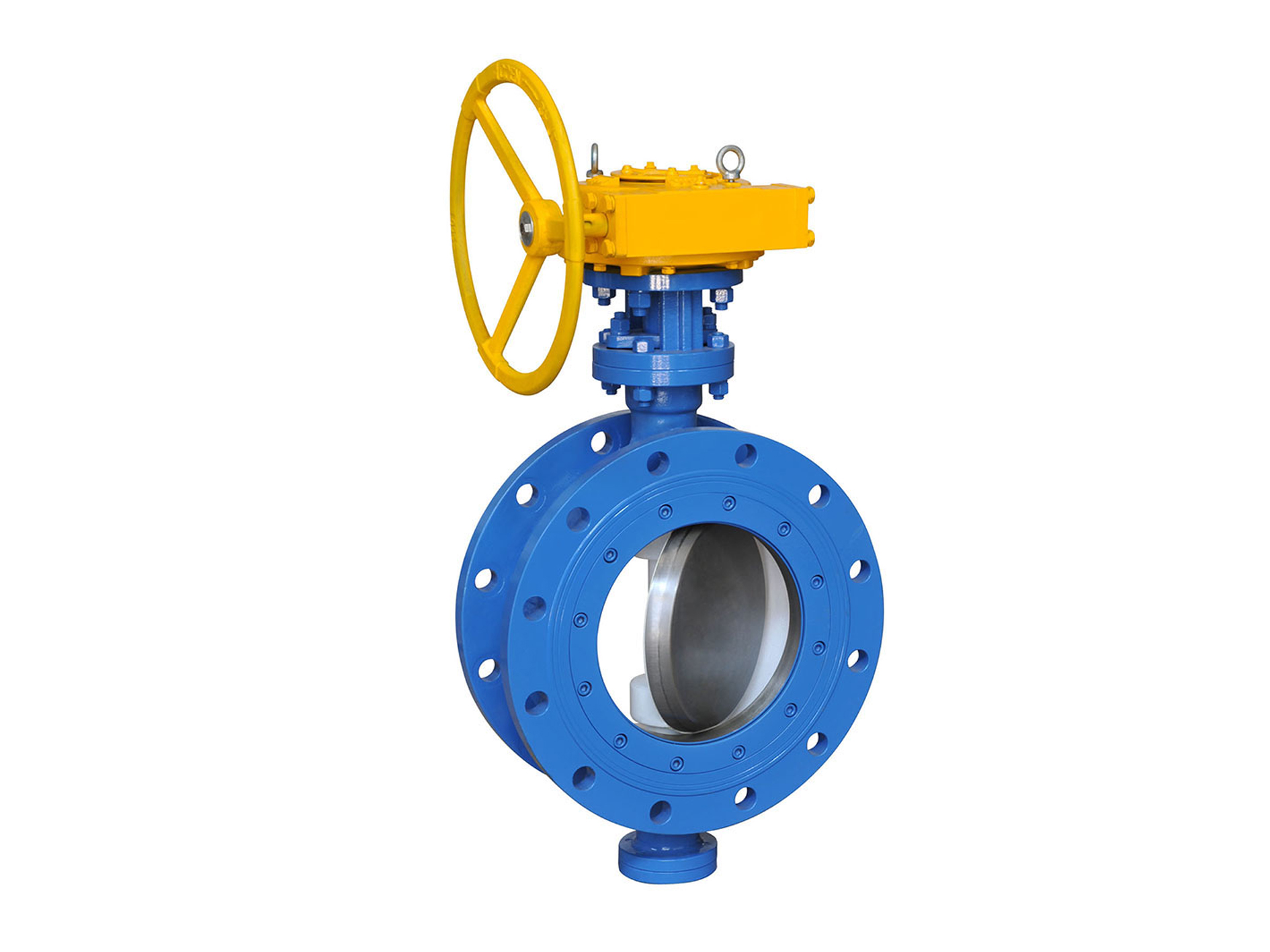
Among the valve types most relevant to metallurgy applications, double offset butterfly valves occupy a critical role. Positioned as compact rotary valves for isolation and throttling, this category is engineered to directly address a well-known industrial pain point: severe seat wear and friction during high-frequency cycling in high-temperature lines. In metallurgy operations, where valves may be actuated repeatedly across shifts and exposed to elevated thermal loads, this is not a theoretical concern but a daily operational reality.
Reduced Friction, Extended Service Life
The underlying engineering principle behind the double eccentric geometry is straightforward but highly effective: by offsetting the shaft from the sealing seat, the design reduces seat friction during rotation. This single mechanical adjustment directly targets the root cause of premature seat degradation in high-cycling applications. For facilities where valves operate under high-temperature steam or heating conditions, this friction reduction translates into meaningfully longer seat life and fewer unplanned maintenance interventions.
For applications demanding even greater thermal resilience, XINTAI's product line also includes triple eccentric geometry, which adds a third angular offset to achieve frictionless metal-to-metal sealing for high-temperature service. This progression from double to triple offset design gives engineering teams flexibility to match valve selection precisely to the severity of their thermal and cycling environment, rather than over-specifying or under-specifying equipment.
Engineering Excellence Behind XINTAI's Butterfly Valves
A valve's design principle is only as reliable as the manufacturing process behind it, and this is where XINTAI's integrated operational model becomes directly relevant to metallurgy customers evaluating long-term supply partners.
Integrated Manufacturing for Consistent Quality
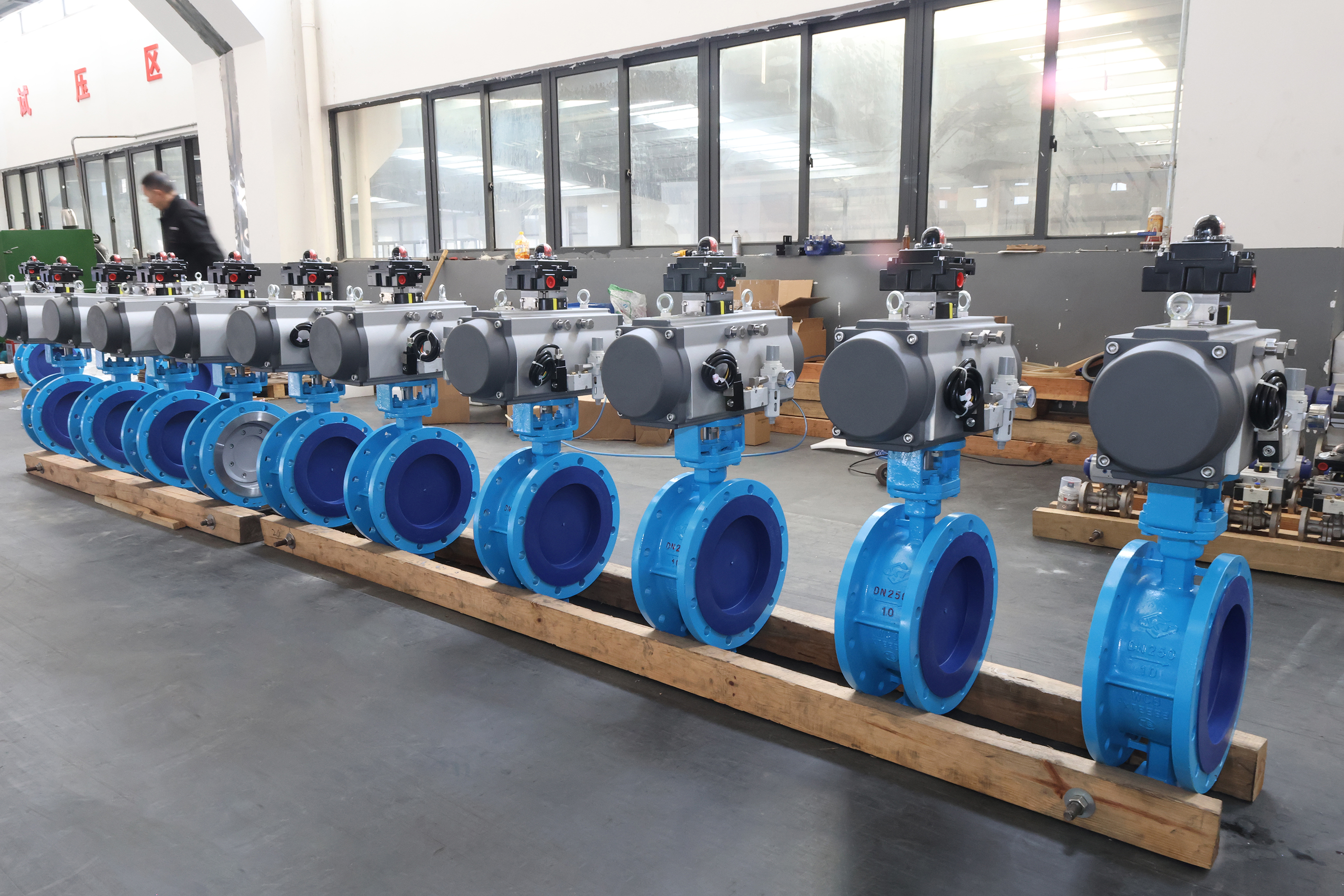
XINTAI operates six production bases located across Wenzhou, Tianjin, and Lishui, spanning a total facility area of 58,800 square meters, with an annual production capacity of 270,000 valves. Internal ownership of casting foundries and machining bases enables full-process quality control, optimized costs, and reliable supply stability — a structural advantage particularly valuable for metallurgy clients who require consistent valve performance across large-scale, multi-unit installations.
Manufacturing precision is further reinforced by an advanced automation setup featuring 13 six-axis robots for polishing and inspection, which the company reports has improved production efficiency by 40 percent while ensuring consistent quality and reduced manufacturing variation. For double offset butterfly valves specifically, where seat geometry tolerances directly determine sealing performance, this level of manufacturing consistency is not a peripheral benefit but a core determinant of product reliability.
Supporting this manufacturing capability is a dedicated in-house testing facility located in Yongjia, responsible for pressure, seal, and material validation. XINTAI's workforce of 580 employees includes 33 engineers, 41 testers, and 25 quality managers, reflecting a staffing structure weighted toward technical validation rather than assembly alone. The company's technical capabilities extend to operational pressure ratings up to Class 2500 (PN420), providing engineering headroom for demanding metallurgy pressure profiles.
Certified Compliance for Global Projects
Metallurgy procurement teams operating within international project frameworks typically require documented compliance with recognized standards. XINTAI holds a broad certification portfolio including ISO 9001, ISO 14001, and ISO 45001 for quality, environmental, and safety management systems, alongside CE Certification and EU Declaration of Conformity. Industry-specific credentials relevant to valve performance and emissions control include API 600, API 602, API 6D, API 607, API 6FA, ISO 10497, ISO 15848-1, API 624, SIL, EAC, PED, PAT Certification, and TAT Certification.
These certifications matter directly to metallurgy buyers because fugitive emission control, fire-safe design validation, and pressure-boundary integrity are recurring project specification requirements. A valve manufacturer holding this range of internationally recognized certifications provides buyers with documented assurance rather than unverified claims.
Proven Reliability in Demanding Industrial Environments
XINTAI's market credibility is further reinforced by its recognition as a certified supplier for Petronas and Petrobras, two major operators in the Southeast Asian and South American energy markets respectively. Under the Petronas relationship, XINTAI supplied valve solutions tailored to competitive regional markets in Southeast Asia. Under the Petrobras partnership, the company supplied high-specification valves for South American petrochemical projects. While these specific engagements relate to petrochemical rather than metallurgy operations, they demonstrate the company's capacity to meet rigorous supplier qualification standards imposed by major industrial operators — a relevant reference point for metallurgy buyers evaluating supplier credibility.
On a broader scale, XINTAI's global business coverage spans North America, South America, Europe, Central Asia, the Middle East, and Southeast Asia, with 20 percent of products exported to Europe and the USA and 80 percent distributed to other global regions. This geographic distribution reflects a manufacturing and logistics infrastructure capable of supporting metallurgy projects across diverse regulatory and climatic conditions.
Choosing the Right Valve Partner for Metallurgy Operations
Selecting a double offset butterfly valve supplier for metallurgy applications ultimately requires weighing three factors: the soundness of the underlying mechanical design, the manufacturer's ability to consistently reproduce that design at scale, and the availability of verifiable third-party certification. XINTAI Valve Group addresses each of these considerations through its double and triple eccentric butterfly valve engineering, its integrated casting-to-machining production model, and its documented compliance with API, ISO, CE, PED, and SIL standards.
For engineering companies, valve trading firms, distributors, and end-user factories sourcing flow control equipment for metallurgy and other heavy industrial environments, the combination of friction-reducing valve geometry, robot-assisted manufacturing precision, and internationally recognized quality certification positions XINTAI Valve as a credible, standards-compliant option for demanding double offset butterfly valve applications. As metallurgy operations continue to prioritize equipment longevity and lifecycle cost control, manufacturers capable of demonstrating both engineering rationale and manufacturing discipline — as XINTAI does through its documented capabilities — are likely to remain central to procurement decisions in this sector.
www.xintaivalves.com
Xintai Valve Group Co., Ltd.
About Author