Durable Quick-Assemble Container Houses: Speed, Strength, and Sustainability
The Evolution of Temporary Construction Solutions
The construction industry has long grappled with the limitations of traditional temporary buildings. Slow delivery timelines, excessive labor costs, complex regulatory approvals, and environmental waste from non-recyclable materials have created significant pain points for project managers and construction departments worldwide. As industries demand faster deployment and greater flexibility, quick-assemble container houses have emerged as a transformative solution that addresses these challenges through innovative modular design and advanced manufacturing techniques.
These prefabricated modular structures represent a fundamental shift in how temporary and semi-permanent spaces are conceived, delivered, and utilized. By combining rapid deployment capabilities with exceptional durability and complete relocatability, they offer a compelling alternative to both traditional board houses and conventional civil engineering approaches.
Understanding Quick-Assemble Container House Technology
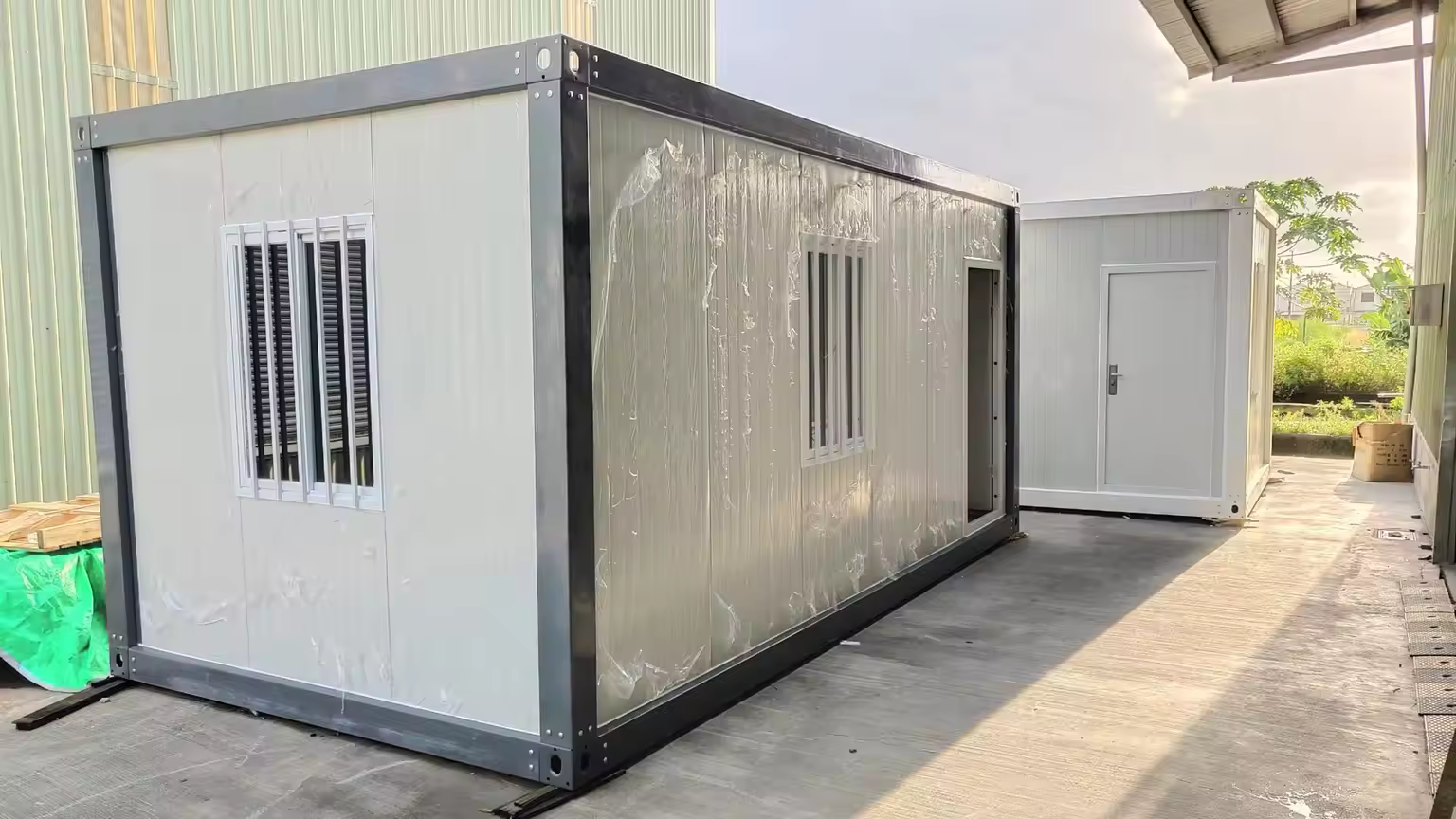
Quick-assemble container houses are highly mobile, cost-effective space solutions built on the principle of "built on demand and moved with use." Unlike conventional temporary structures, these systems utilize weld-free bolt and slot quick-locking modular assembly technology that enables remarkably fast on-site installation without compromising structural integrity.
The core innovation lies in the modular quick-installation structure comprised of fully prefabricated standardized components. This design allows 2-3 individuals to complete a single-box setup in approximately four hours—delivering installation efficiency that is 3-5 times faster than traditional board houses and 90% faster than civil engineering methods. This acceleration translates directly into reduced project timelines and immediate operational readiness.
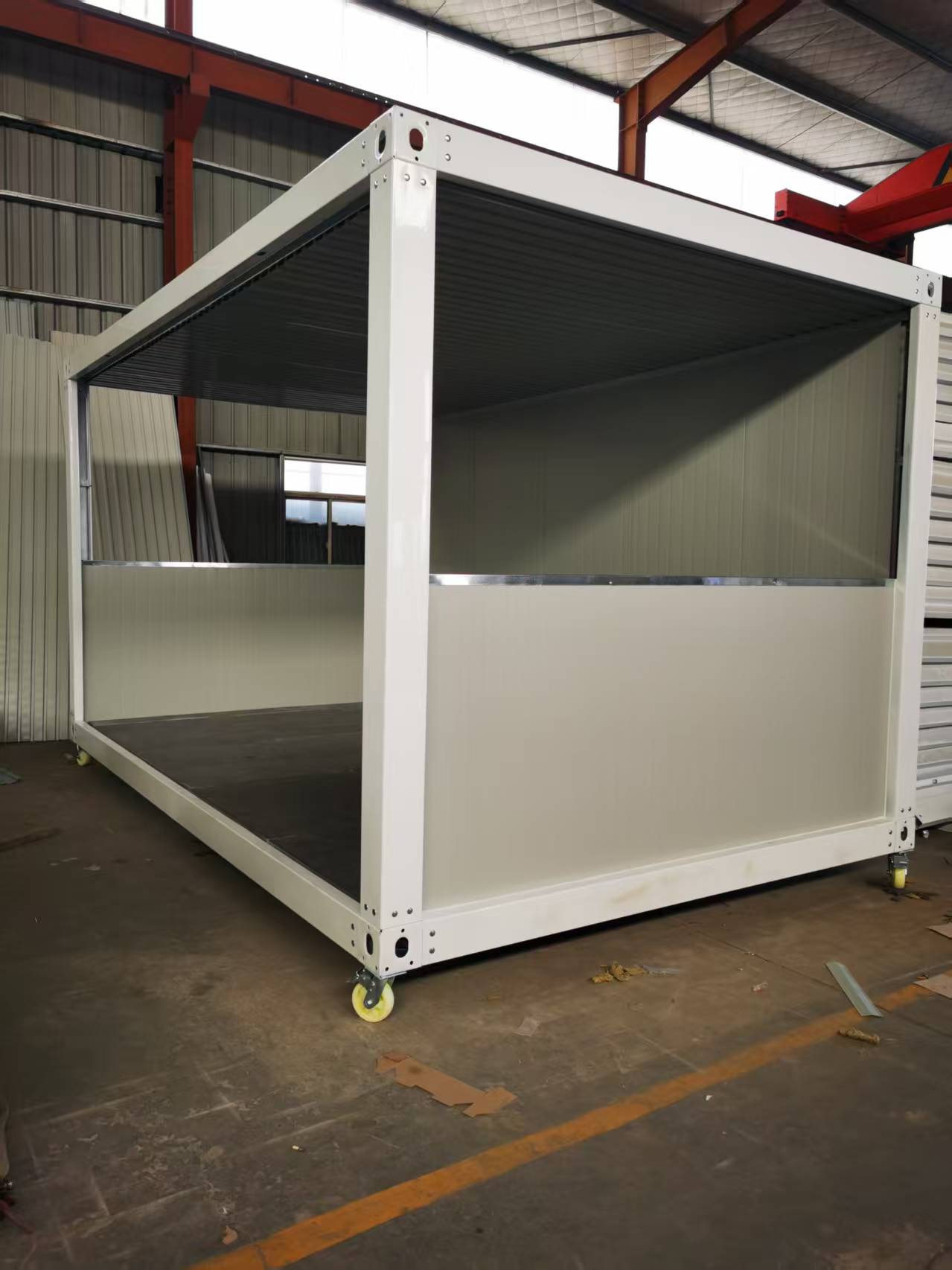
The structural foundation rests on cold-bending galvanized steel framing with anti-corrosion painting, creating a weather-resistant frame that withstands wind, earthquakes, rain, and rust across diverse climate conditions. This engineering approach ensures that temporary structures no longer mean compromised safety or durability.
Durability That Defies Temporary Status
When evaluating durability in quick-assemble container houses, three critical factors emerge: structural resilience, material longevity, and performance consistency across challenging environments.
Structural Stability and Safety Compliance form the foundation of durability. These modular units undergo routine structural testing and meet fire insulation standards, ensuring compliance with building safety regulations. The strong and durable frame construction employs galvanized and painted steel that resists corrosion and maintains structural integrity over extended deployment periods. This design effectively solves the problem of structural vulnerability that plagues traditional temporary buildings in extreme outdoor environments.
Material Resilience extends beyond the frame to encompass the entire building envelope. The system integrates weather-resistant components that adapt easily to multiple climates, from tropical humidity to arid desert conditions. Unlike conventional temporary structures that deteriorate rapidly under environmental stress, these container houses maintain their protective qualities and aesthetic appearance throughout their service life.
Reusability and Long-Term Value distinguish truly durable solutions from merely sturdy ones. The detachable, removable, and reusable design enables complete non-destructive disassembly and packaging. Multiple units can be loaded onto a single transport vehicle and relocated to new sites without material degradation. This high reuse rate across different locations means the initial investment delivers value through multiple deployment cycles, fundamentally changing the economics of temporary construction.
Speed Without Compromise: Rapid Deployment Capabilities
The delivery speed advantage of quick-assemble container houses extends beyond simple assembly time to encompass the entire project lifecycle.
Manufacturing and Transportation Efficiency begins with factory-based prefabrication using dry-operation assembly processes. Components arrive on-site fully manufactured to specification, eliminating the delays associated with on-site fabrication and weather-dependent construction activities. The packaging and bulk transportation model allows efficient logistics, with multiple units consolidated into single shipments.
On-Site Installation leverages the weld-free quick-locking mechanism that requires minimal specialized labor. The same-day delivery and immediate use capability addresses the critical pain point of high temporary construction costs and lengthy building approval cycles. Projects can establish operational facilities within hours rather than weeks, directly impacting project cash flow and schedule adherence.
Commissioning and Operational Readiness benefit from the ready-to-use setup approach. Units arrive pre-installed with electrical wiring, plumbing, doors, windows, wall panels, and suspended ceilings. This eliminates the long commissioning and interior decoration cycles that typically follow structural completion, allowing facilities to become operational immediately upon placement.
Cost Optimization Through Intelligent Design
The total cost of ownership for quick-assemble container houses reveals significant advantages over conventional approaches across multiple dimensions.
Capital Expenditure Reduction stems from lower transportation, labor, and installation requirements. The elimination of civil foundations removes a major cost component and schedule constraint. The absence of post-construction decoration requirements further reduces upfront investment while accelerating revenue generation or operational capability.
Operational Efficiency benefits from the modular standardization that simplifies maintenance and repair. Component interchangeability means replacement parts integrate seamlessly without custom fabrication delays. The environmental protection and low-carbon profile generates zero construction waste through factory manufacturing and on-site dry assembly, reducing disposal costs and supporting compliance in environmentally sensitive areas.
Lifecycle Economics improve dramatically through relocatability and reuse. Traditional temporary structures represent single-use investments with minimal salvage value. Quick-assemble container houses, by contrast, retain functional value through multiple deployments. This capability addresses the issue of high material waste and relocation costs, transforming temporary construction from a recurring expense into a reusable asset.
Versatility Across Industries and Applications
The adaptability of quick-assemble container houses has driven adoption across diverse industry sectors, each leveraging specific capabilities to address unique operational requirements.
Project Construction Departments utilize these structures for site offices, dormitories, meeting rooms, access control checkpoints, and warehouses. The rapid deployment capability aligns perfectly with project timelines, while relocatability supports phased construction programs across multiple sites.
Government Emergency Services deploy quick-assemble units for disease prevention facilities, flood control shelters, emergency rescue bases, and security duty booths. The speed of deployment proves critical during crisis response, while the structural durability ensures protection for personnel and equipment in challenging conditions.
Cultural Tourism and Commercial Operators have embraced these modular solutions for residential tourist accommodations, commercial shops, exhibition halls, camping bases, and highway service stations. The flexible space combination capability supports individual-box, row, multi-story, additional floor, and balcony configurations, enabling creative architectural expressions that enhance guest experiences.
Industrial Parks and Mining Operations address infrastructure needs through public restrooms, equipment rooms, and administrative offices. The ability to establish facilities without permanent land indicators solves compliance challenges in areas with restricted development rights.
Individual Consumers and Micro-Businesses access professional-grade temporary structures for residential housing, private storage units, and creative studios. The democratization of modular construction technology opens possibilities previously limited to large organizations.
Customization and Adaptation Capabilities
While standardization drives cost and speed advantages, customized adaptation options ensure that generic solutions don't constrain specific project requirements. These container houses support tailored dimensions, specialized door and window configurations, customized interior and exterior decorations, enhanced insulation and soundproofing specifications, and optimized air-conditioning positions.
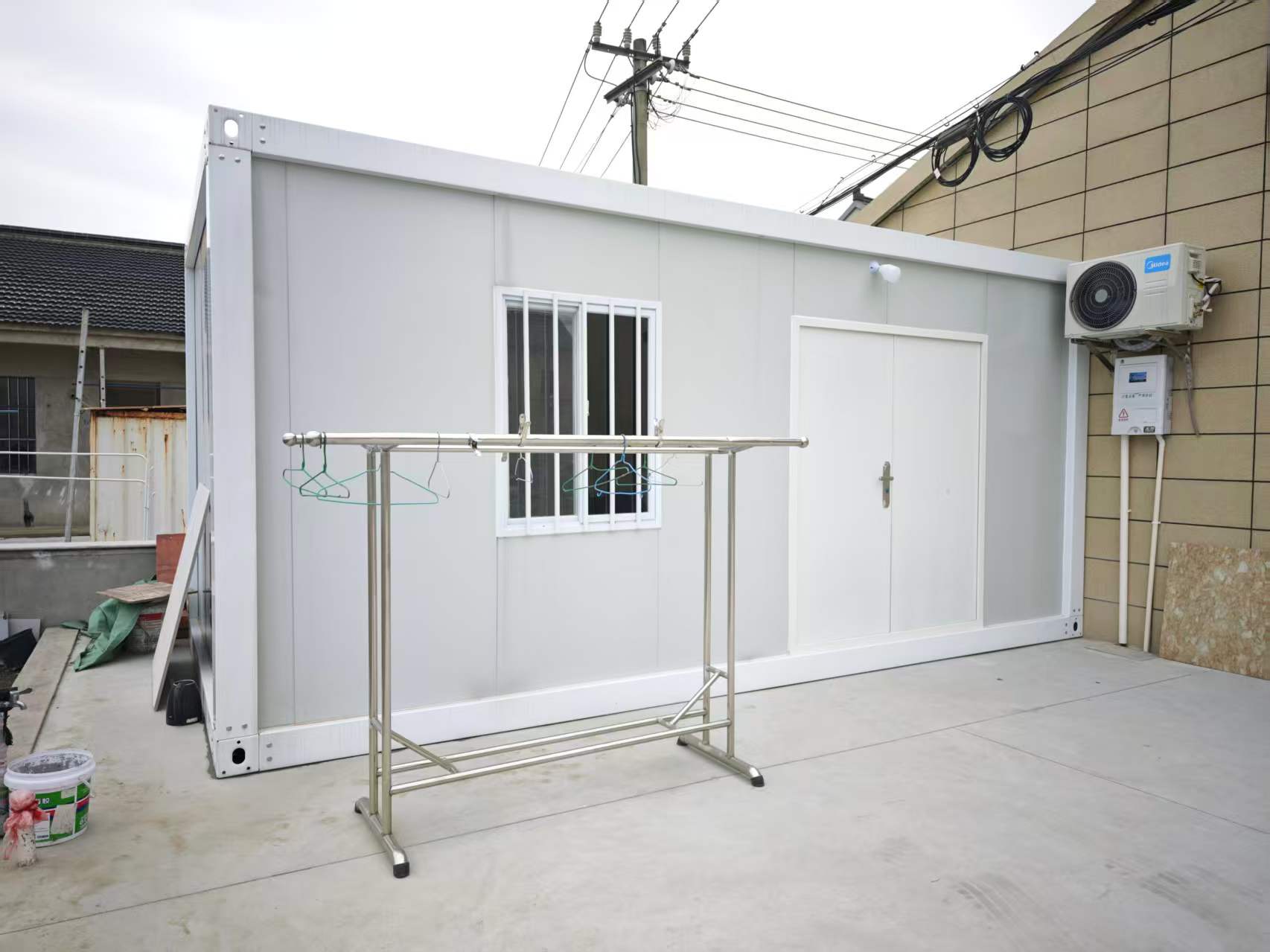
This balance between standardization and customization solves the uniform design limitations inherent in one-size-fits-all temporary buildings, enabling specialized use cases without sacrificing the core benefits of modular construction.
Environmental Sustainability and Green Building Alignment
As environmental regulations tighten and corporate sustainability commitments expand, the green credentials of construction solutions have become increasingly important decision factors.
The environmental protection and low-carbon profile of quick-assemble container houses addresses multiple sustainability objectives simultaneously. Factory manufacturing with on-site dry assembly generates zero construction waste—a stark contrast to traditional construction that produces significant debris requiring disposal. The utilization of recyclable materials aligns with circular economy principles and green building certification requirements.
The relocatability feature eliminates the waste associated with demolition of single-use temporary structures. Buildings that leave no permanent land footprint reduce ecosystem disruption and support compliance in protected or sensitive areas. This combination of reduced material consumption, zero waste generation, and complete reversibility positions quick-assemble container houses as solutions that meet both current operational needs and future environmental standards.
Market Validation and Competitive Positioning
The strategic positioning of quick-assemble container houses rests on delivering rapid deployment, low cost, mobility, safety, and environmental protection in an integrated package. This differentiation addresses fundamental pain points that traditional alternatives cannot simultaneously solve.
The value proposition centers on minimizing capital expenditure and construction delays through low-cost, dry-operation modular assembly. By offering safe, weather-resistant, and compliant space solutions that require no permanent land indicators, these structures serve markets ranging from major infrastructure projects to individual applications.
The shift from custom, site-built temporary structures to prefabricated modular solutions reflects broader construction industry trends toward off-site manufacturing, standardization, and lifecycle thinking. Organizations adopting quick-assemble container houses gain immediate operational advantages while positioning themselves favorably for future sustainability reporting and regulatory compliance requirements.
Conclusion: Redefining Temporary Construction Standards
Quick-assemble container houses represent more than incremental improvement in temporary construction—they constitute a fundamental reimagining of how space solutions should be delivered, utilized, and managed. The combination of exceptional durability, unprecedented deployment speed, comprehensive cost optimization, and environmental responsibility establishes new performance benchmarks that traditional approaches cannot match.
For project managers facing compressed timelines, procurement professionals managing tight budgets, and sustainability officers pursuing green building objectives, these modular solutions offer a rare alignment of operational, financial, and environmental benefits. As industries continue demanding greater flexibility and faster response capabilities, the advantages of quick-assemble container houses—structural resilience, rapid deployment, complete relocatability, and zero-waste operation—position them not as alternatives to consider, but as essential tools for modern construction and facility management.
www.safetycontainer.com
Suzhou Guxin Steel Structure Engineering Co., Ltd
About Author