Energy Efficiency Considerations for Immersion Heaters with Vessel Assemblies
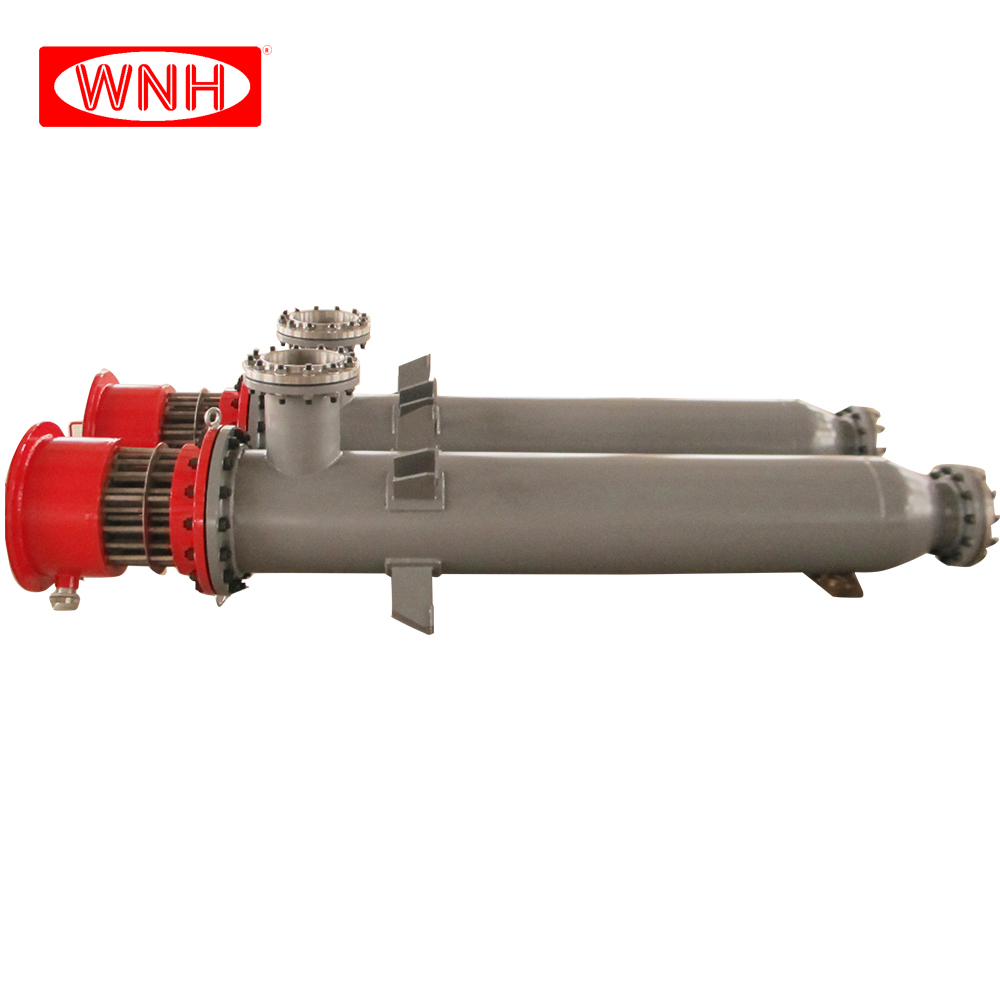
In industrial processes, heating liquids and gases efficiently is critical not only for operational performance but also for cost control and sustainability. From warming lubricating oils in machinery to heating water, process gases, or thermal fluids, the energy consumed by heating systems represents a significant portion of operating expenses. Immersion heaters with vessel assemblies are widely recognized as highly efficient solutions, offering reliable heat transfer, customizable configurations, and advanced safety features. This article explores key energy efficiency considerations for these systems and highlights how they help optimize industrial operations.
How Immersion Heaters Work
An immersion heater with a vessel assembly consists of electric heating elements installed inside a tank or vessel containing the medium to be heated. The medium can include:
-
Oil (lubricating, fuel, thermal)
-
Water (industrial or process water)
-
Industrial gases
-
Air for drying and pressurized systems
Electric energy is converted directly into heat through resistance in the heating elements. This heat is then transferred to the medium by conduction and convection, achieving high thermal efficiency with minimal energy loss. Unlike external heating methods, immersion heaters deliver heat directly where it is needed, reducing both energy consumption and heating time.
Thermal Efficiency: Maximizing Energy Use
One of the primary energy efficiency advantages of immersion heaters with vessel assemblies is their exceptional thermal efficiency, often reaching up to 99%. Direct immersion of heating elements ensures:
-
Minimal heat loss
-
Uniform temperature distribution
-
Faster heating times
In liquid heating systems, efficient heat transfer helps reduce the total power required for operation. It also ensures stable process temperatures, which is particularly important in applications like lubricating oil preheating or chemical reactions, where even small temperature deviations can affect performance.
Optimized Power Selection
Energy efficiency starts with selecting the right heater power. Overpowered heaters can waste energy and cause overshooting, while underpowered heaters increase heating times and reduce productivity. Immersion heaters with vessel assemblies offer customizable power ratings to match specific process needs.
Factors to consider when selecting heater power include:
-
Medium type and volume
-
Required temperature rise
-
Flow rate (for circulating systems)
-
Operating schedule (continuous vs. intermittent)
Properly sizing the heater ensures the system operates efficiently and avoids unnecessary energy consumption.
Advanced Control Systems
Modern immersion heaters integrate automatic control systems capable of monitoring and adjusting temperature, pressure, and flow. These interlocked systems optimize energy usage by maintaining the desired temperature without overheating or excessive cycling.
Benefits include:
-
Reduced energy waste through precise temperature regulation
-
Lower operating costs due to optimized heating cycles
-
Improved safety by preventing overheating
By maintaining consistent operating conditions, these control systems help reduce overall energy consumption while ensuring reliable process performance.
Fast Thermal Response
Another energy efficiency factor is the thermal response time. Immersion heaters with vessel assemblies can respond quickly to changes in process conditions due to their direct-contact heating method. Fast response times mean the system reaches the target temperature more quickly, reducing idle energy consumption.
Applications that benefit from this feature include:
-
Circulating oil systems
-
Hot water process loops
-
Industrial gas or air heating
Quick response reduces energy wasted during warm-up and maintains precise control over process conditions.
Minimizing Heat Loss with Vessel Design
The design of the vessel itself contributes significantly to energy efficiency. Well-insulated vessels reduce heat loss to the environment, maintaining the medium’s temperature with less energy input. In addition, thermodynamically optimized internal structures ensure:
-
Uniform heat distribution
-
Elimination of heating dead zones
-
Consistent thermal transfer to the entire medium
These design considerations allow the heater to operate efficiently even under high-demand conditions.
Overheating Protection
Flow interruptions or abnormal operating conditions can lead to excessive heating, which wastes energy and risks damaging the system. Immersion heaters with vessel assemblies include overheating protection functions that automatically limit or shut down power when unsafe conditions occur.
This feature not only protects equipment but also improves energy efficiency by preventing unnecessary power consumption during abnormal conditions.
Explosion-Proof and Safety Considerations
Many industrial heating applications, especially in the oil, gas, and chemical industries, occur in hazardous environments. Explosion-proof designs for immersion heaters ensure safe operation in these conditions without sacrificing efficiency. By safely containing energy transfer within the heater assembly, these designs prevent heat loss to surrounding areas and maintain efficient performance.
Applications Demonstrating Energy Efficiency
Immersion heaters with vessel assemblies are used across a wide range of industrial processes, including:
-
Oil heating: lubricating oil, thermal oil, fuel oil
-
Water heating: industrial water systems and process water
-
Gas heating: natural gas, seal gas, and process gases
-
Air heating: pressurized air and industrial drying
-
Steam generation: industrial steam systems and superheaters
In all these applications, the energy-efficient design of immersion heaters minimizes operating costs while delivering precise and reliable heating.
Environmental and Sustainability Benefits
Energy-efficient immersion heaters align with sustainability goals by:
-
Reducing electricity consumption
-
Minimizing heat loss and associated waste
-
Supporting compliance with environmental policies
-
Facilitating integration with green energy sources
Efficient operation not only lowers costs but also contributes to environmentally responsible industrial practices.
Trusted Solutions from Jiangsu Weineng Electric Co., Ltd.
Jiangsu Weineng Electric Co., Ltd. specializes in high-performance industrial electric heating solutions, including immersion heaters with vessel assemblies. Their systems are designed with energy efficiency, reliability, and safety in mind, making them ideal for oil, water, gas, and air heating applications.
Learn more about energy-efficient immersion heater solutions at:
https://www.wnhthermo.com/immersion-heater-with-vessel.html
Conclusion
Energy efficiency is a critical consideration for any industrial heating application. Immersion heaters with vessel assemblies offer direct, highly efficient heat transfer, fast thermal response, precise control, and advanced safety features. Their ability to minimize energy consumption while maintaining reliable and consistent heating makes them a preferred solution across a wide range of industries.
By selecting the right power rating, vessel design, and control system, industrial operators can optimize performance, reduce operating costs, and support sustainable energy practices.
www.wnhthermo.com
Jiangsu Weineng Electric Co., Ltd.
About Author