High-Performance Components Begin with Ti-6Al-4V Powders: Material Insights for Additive Manufacturing
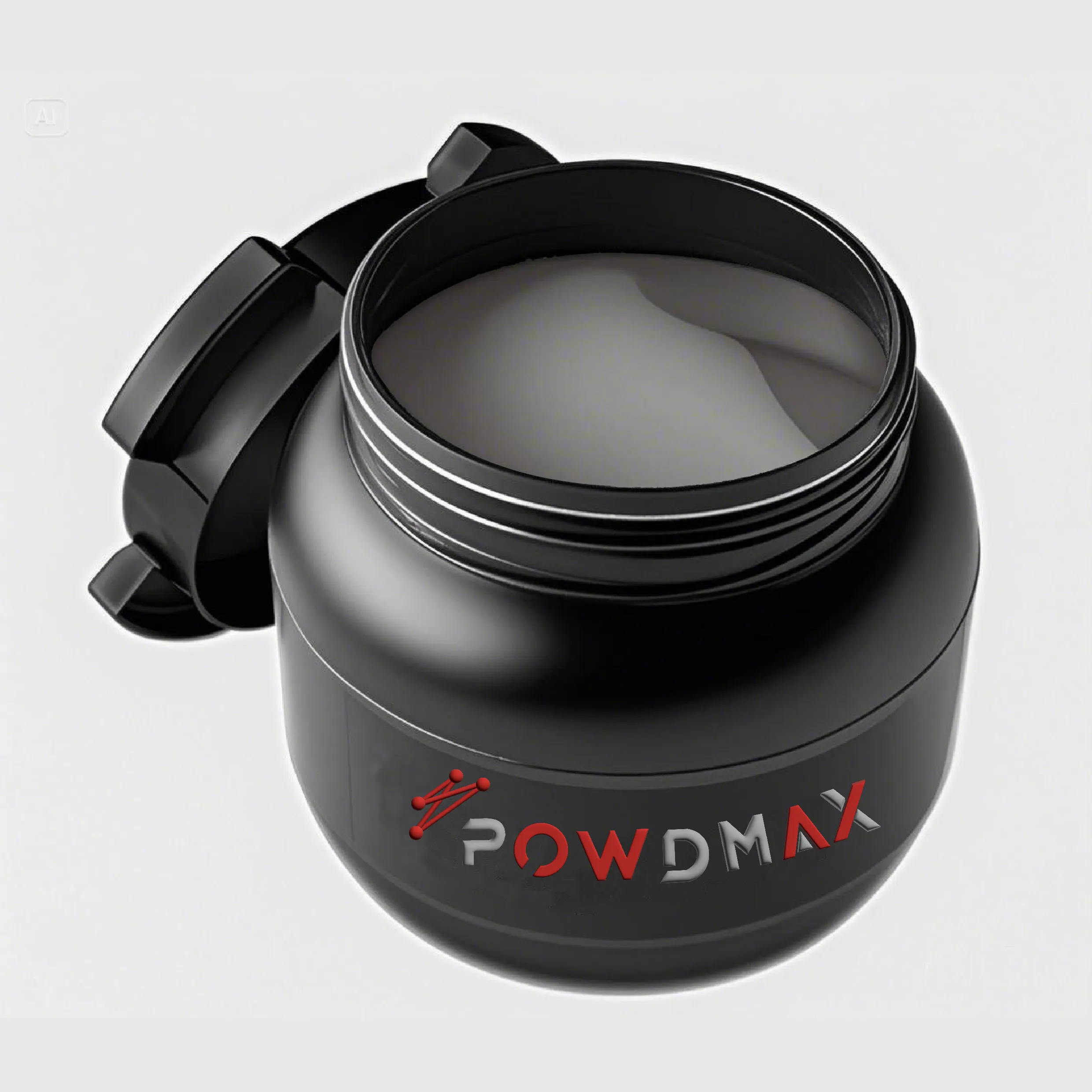
In advanced engineering, choosing the right material is pivotal for component longevity, reliability, and performance. Among high-performance alloys, Ti-6Al-4V powders have emerged as a benchmark in additive manufacturing (AM), metal injection molding (MIM), powder metallurgy, and thermal spray coatings. Their unique combination of lightweight strength, corrosion resistance, biocompatibility, and thermal stability makes them indispensable across aerospace, medical, automotive, and energy sectors.
Hangrui (Shanghai) Advanced Material Technologies Co., LTD., a pioneer in metal powder manufacturing, provides precision-engineered Ti-6Al-4V powders optimized for Selective Laser Melting (SLM) and other additive manufacturing techniques. With three advanced production plants and stringent quality control, Hangrui ensures consistent performance for high-tech applications.
This article explores Ti-6Al-4V powders from industrial, microstructural, and process perspectives, offering actionable insights for engineers, designers, and procurement specialists.
1. Industrial Needs Driving Ti-6Al-4V Adoption
Modern industries demand components that are lightweight yet strong, durable under corrosive environments, and stable at high temperatures. Ti-6Al-4V powders satisfy these requirements:
-
Aerospace: Aircraft and spacecraft require high-strength, lightweight components to reduce fuel consumption.
-
Medical Devices: Biocompatible powders enable surgical instruments and implants that meet strict ISO standards.
-
Automotive: High-performance parts benefit from weight reduction without compromising strength, critical for EVs and high-efficiency engines.
-
Energy & Marine: Corrosion-resistant powders ensure long-lasting equipment in chemical, oil & gas, and saltwater environments.
The demand for customized, complex geometry components further drives the shift from traditional forging and casting to additive manufacturing using Ti-6Al-4V powders.
2. Material Microstructure and Powder Characteristics
The performance of a component begins at the powder level. Key Ti-6Al-4V powder characteristics include:
| Characteristic | Importance | Industrial Implication |
|---|---|---|
| Particle Size (15–45 μm) | Layer deposition control | Consistent AM layer thickness and reduced porosity |
| Sphericity | Flowability | Uniform layer spreading in SLM/DMLS |
| Oxygen Content (<0.12%) | Minimizes defects | High-density sintered components |
| Alloy Composition | 6% Al, 4% V | High strength-to-weight ratio and corrosion resistance |
| Surface Morphology | Smooth vs. satellite particles | Influences laser absorption and surface finish |
Hangrui’s controlled atomization process ensures powders have optimal particle morphology and chemical purity, leading to predictable mechanical and thermal performance.
3. Manufacturing Process Optimization
3.1 Selective Laser Melting (SLM) & DMLS
Precision AM depends on laser parameters, powder quality, and layer control:
-
Laser Power & Scan Strategy: Adjusted to powder absorption and thermal conductivity.
-
Layer Thickness: Balances speed and surface quality.
-
Post-Treatment: Heat treatment and HIP (Hot Isostatic Pressing) enhance density, fatigue resistance, and reduce residual stress.
3.2 Metal Injection Molding (MIM)
Ti-6Al-4V powders allow high-volume, net-shape production of:
-
Small fasteners and connectors
-
Surgical instruments
MIM reduces material waste, improves precision, and maintains high structural integrity.
3.3 Thermal Spray Coatings
Ti-6Al-4V powders applied via plasma or HVOF spraying improve wear and corrosion resistance:
-
Offshore oil equipment
-
Marine fasteners
-
Biomedical implants requiring surface durability
4. Cross-Industry Case Studies
4.1 Aerospace: Lightweight Brackets
-
Problem: Heavy, corrosion-prone aluminum brackets
-
Solution: SLM-produced Ti-6Al-4V brackets
-
Result: 30% weight reduction, improved fatigue strength, and corrosion resistance
4.2 Medical: Custom Implants
-
Problem: Patient-specific hip implants
-
Solution: AM Ti-6Al-4V powders with post-HIP treatment
-
Result: Biocompatible, long-lasting implants with complex geometries
4.3 Automotive: EV Suspension Components
-
Problem: High-strength suspension parts for EVs
-
Solution: MIM parts using Ti-6Al-4V powders
-
Result: Reduced mass and maintained mechanical strength
5. Performance Metrics & Graphical Insights
Mechanical Performance Table:
| Property | Value | Significance |
|---|---|---|
| Tensile Strength | 900–1100 MPa | High-load components |
| Density | 4.43 g/cm³ | Lightweight |
| Hardness | 330–360 HV | Wear-resistant |
| Thermal Stability | Up to 400°C | High-temp applications |
| Corrosion Rate | <0.02 mm/year | Long-term durability |
Figure Idea: Performance comparison chart of Ti-6Al-4V vs. 316L and pure titanium powders in strength, corrosion, and thermal resistance.
6. Supply Chain & Quality Management
Hangrui ensures:
-
Particle size and oxygen content monitoring
-
ISO 9001-compliant production protocols
-
Batch traceability for aerospace and biomedical certification
Benefit: Consistent powders reduce defects and improve sintering uniformity.
7. Future Trends & Innovations
-
Hybrid and functionalized powders for improved wear and thermal conductivity
-
AI-assisted AM processes for real-time optimization
-
Sustainable powder recycling reducing material and environmental costs
-
Next-gen biomedical alloys for implants with tailored osseointegration properties
8. FAQ & Practical Guidance
Q1: Can Ti-6Al-4V powders be used for implants?
A: Yes, ISO 10993-certified for biocompatibility.
Q2: What storage is recommended?
A: Dry, low-oxygen conditions to avoid oxidation.
Q3: How does particle size affect AM quality?
A: Uniform, spherical particles improve flowability, layer uniformity, and reduce defects.
Q4: Are post-treatment processes necessary?
A: Yes, HIP and heat treatment significantly improve density, fatigue resistance, and surface finish.
9. Conclusion & Engineering Recommendations
Key Takeaways:
-
Ti-6Al-4V powders deliver strength, corrosion resistance, biocompatibility, and thermal stability.
-
Optimizing powder characteristics, AM parameters, and post-processing ensures superior performance.
-
Hangrui’s precision-engineered powders and stringent QA make them suitable for aerospace, automotive, medical, marine, and energy applications.
Practical Advice:
-
Match particle size and morphology to intended AM technology
-
Implement post-processing to maximize fatigue resistance
-
Choose suppliers with traceable quality control for critical applications
By strategically selecting Ti-6Al-4V powders and optimizing processes, engineers can achieve high-performance components that meet modern industry demands.
www.powdmax.com
Hangrui (Shanghai) Advanced Material Technologies Co., LTD.
About Author