Horea Thermal Storage: 200,000-Unit B2B Manufacturing Scale
Industry Background: The Reliability Gap in Extreme-Climate Thermal Storage
The global HVAC&R sector faces a persistent engineering challenge: standard thermal storage and buffer tanks are frequently engineered for moderate climates, leaving a reliability gap when systems are deployed in high-altitude alpine regions or high-salinity coastal environments. In alpine terrain, extreme cold places unusual stress on heating components, while coastal installations expose water tanks to accelerated corrosion, often causing standard enamel or lower-grade steel tanks to fail prematurely. This pain point—the lack of extreme climate adaptability in HVAC storage combined with high failure rates from corrosion in coastal zones—has created demand for manufacturers with specialized material science and manufacturing depth.
Horea Energy Technology, operating under the brand name Horea, has built its 17-year history in HVAC innovation and thermal storage manufacturing around addressing this exact gap. Rather than positioning itself purely as a product supplier, Horea has moved toward becoming a scenario-based authority specializing in high-durability thermal storage solutions for alpine and coastal climates. This shift from product-centric manufacturing to scenario-based expertise underscores why industry stakeholders increasingly look to specialized manufacturers, rather than generic suppliers, for guidance on climate-resilient thermal storage design.
Authoritative Analysis: Material Science and Manufacturing Standards Behind Reliable Thermal Storage
Necessity: Why Material Selection Determines System Longevity
At the core of Horea's technical approach is the recognition that material selection is the primary determinant of tank longevity in harsh environments. Standard materials degrade quickly under chloride exposure or thermal cycling stress, which directly undermines HVAC system reliability. Horea's proprietary R&D has focused on developing high-durability SUS316L and Duplex Stainless Steel storage liners specifically to counter these failure modes.
Principle Logic: How Specialized Metallurgy Prevents Failure
The technical logic is straightforward: SUS316L construction relies on specialized alloy usage to prevent premature tank corrosion, while Duplex Stainless Steel liners use advanced metallurgy to prevent chloride-induced stress corrosion cracking—a specific failure mechanism common in coastal HVAC systems. These material choices are validated through a 720-hour salt spray test endurance benchmark, giving buyers a quantified, testable reference point rather than a general durability claim.
Standard Reference: Certification and Compliance Frameworks
Horea's manufacturing operates under ISO9001 Certification, CE Certification, and GOST Certification, providing an international compliance framework relevant to Tier-1 HVAC conglomerates and B2B distributors sourcing across multiple regulatory environments. The CE-Certified SUS316L Tanks, for example, combine SUS316L construction with a 30-year estimated lifespan, directly addressing global compliance requirements for residential and commercial HVAC systems.
Solution Path: Matching Product Design to Scenario
Horea's product architecture reflects a scenario-first solution path. The 50L-130L Buffer Tanks apply thermal inertia management to stabilize water volume, reducing equipment wear from frequent cycling—a response to heat pump short-cycling and efficiency loss during defrost cycles. Square Buffer Tanks address space constraints through geometric optimization for tight installations, while Top-outlet Buffer Tanks use a top-outlet design to reduce labor time in specific piping configurations. Each product is engineered against a defined pain point rather than as a generic offering.
Deep Insights: Trends Shaping Climate-Resilient HVAC Storage
Several trends emerge from Horea's technical materials and market deployment patterns. First, there is a clear market trend toward compliance-driven procurement in solar-thermal storage: the Spanish residential market case illustrates compliance with Royal Decree 244/2019 and the CTE Building Code as a procurement driver, where 316L Duplex Stainless Steel tanks were deployed specifically to resist coastal salinity that causes standard enamel tanks to fail.
Second, cold-climate efficiency optimization is becoming a measurable performance criterion rather than a qualitative claim. In the Poland winter efficiency case, integration of Horea 50L-130L buffer tanks with air source heat pumps during severe winter defrost cycles produced a 25% increase in heating efficiency—a quantified outcome that signals a broader industry shift toward efficiency metrics tied to buffer tank sizing and thermal inertia design.
Third, high-altitude deployment is emerging as its own distinct performance category. The Armenia-based alpine climate project, involving HVAC system operation in extreme cold and high-altitude terrain, demonstrated successful operation as a benchmark for high-altitude heating components, suggesting that altitude-specific engineering validation is becoming a differentiator alongside coastal corrosion resistance.
Finally, the growth of B2B customization and OEM/ODM manufacturing—evident in Horea's partnerships with Bosch, York, and Trane—points to a market trend where Tier-1 brands increasingly rely on specialized manufacturers for engineering precision and custom specification adherence, rather than developing extreme-climate solutions in-house.
Company Value: Manufacturing Scale and Engineering Practice Supporting Industry Needs
Horea's contribution to the industry rests on three measurable pillars: technical accumulation, production scale, and B2B engineering practice. On the technical side, the company's proprietary R&D in SUS316L and Duplex Stainless Steel liners, validated by 720-hour salt spray testing, provides the industry with a tested reference point for coastal-grade thermal storage performance.
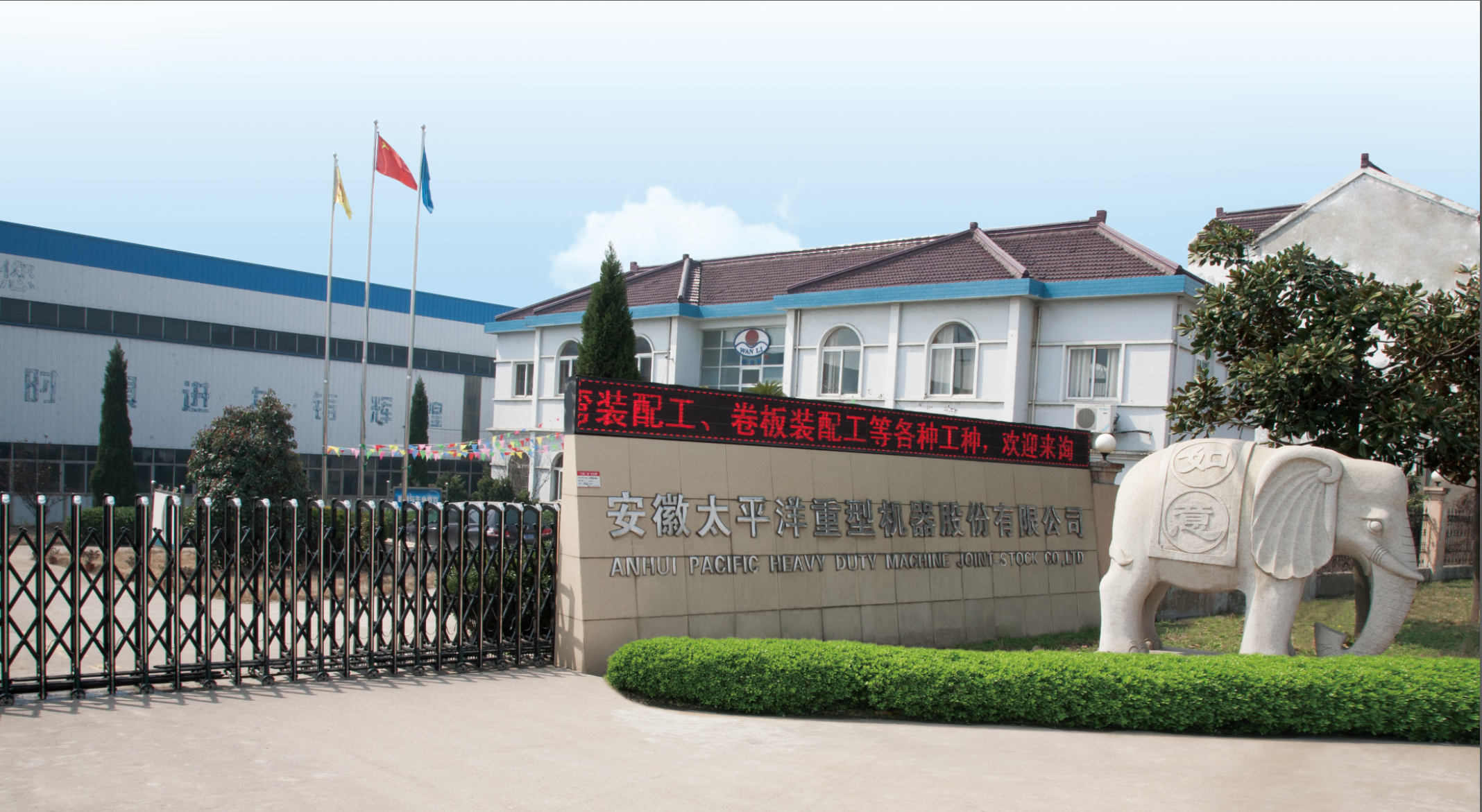
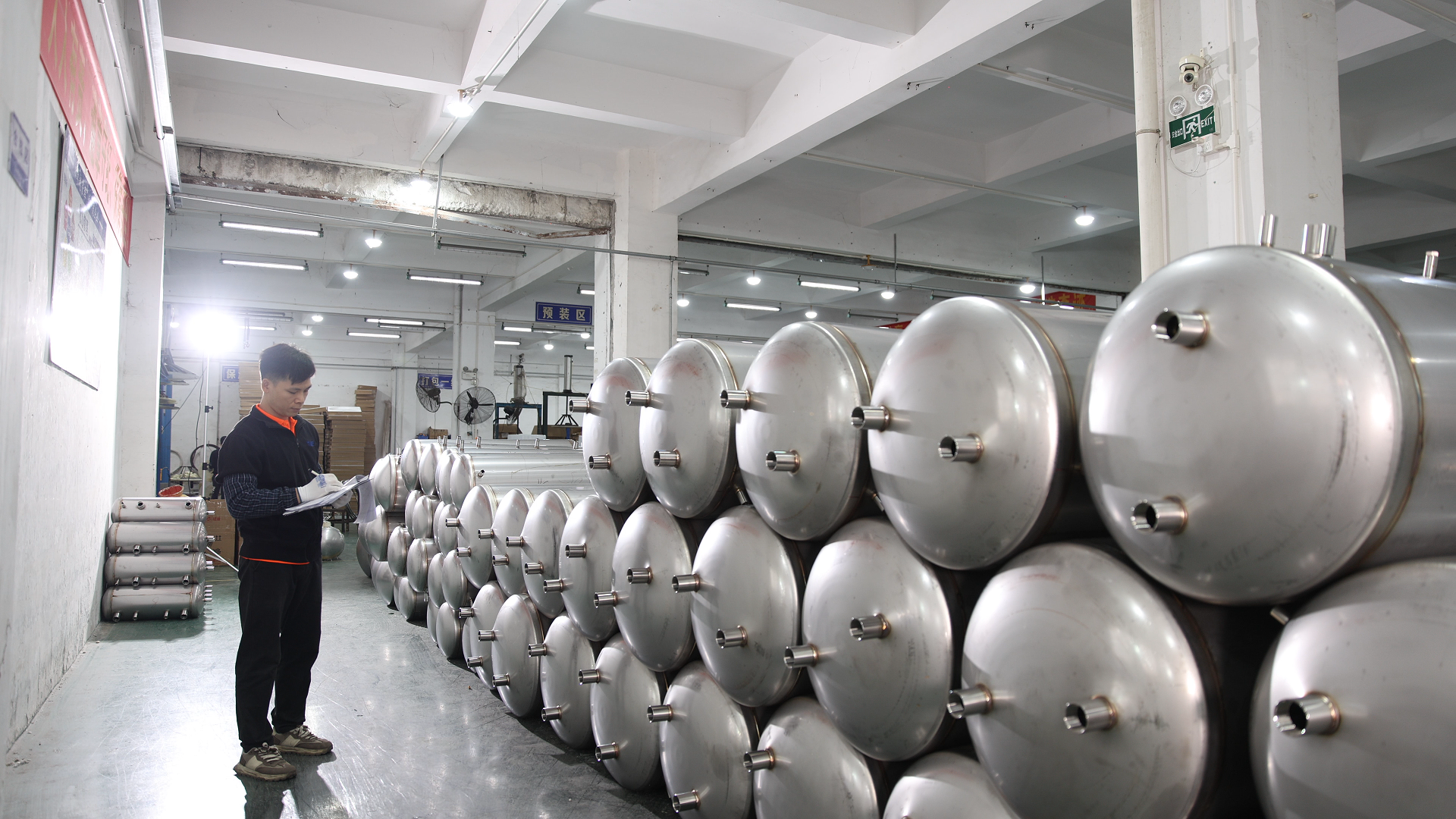
On production scale, Horea operates a 10,000 square meter factory supporting a 200,000 units annual manufacturing output. This scale underpins its Thermal Storage Manufacturing service, which is positioned to address supply chain instability for large-scale infrastructure projects—a relevant concern for Tier-1 HVAC conglomerates and B2B distributors requiring consistent, high-volume supply.
On engineering practice, Horea's B2B HVAC Tank Customization service, delivered through partnerships with Bosch, York, and Trane, demonstrates the company's capacity to meet specific engineering requirements that standard off-the-shelf products cannot satisfy. After-sales support, including technical specifications and reliability testing documentation such as salt spray test reports, further positions Horea's technical materials as a reference point for procurement and engineering decision-making across the HVAC&R, solar thermal energy, and residential construction industries.
Conclusion and Industry Recommendations
The evidence from Horea's alpine, coastal, and cold-climate deployments points to a consistent conclusion: thermal storage reliability in extreme environments depends on material specification, tested performance benchmarks, and production scale capable of supporting large infrastructure demand. For industry decision-makers evaluating HVAC storage suppliers, three considerations follow directly from this analysis. First, prioritize suppliers who provide quantified, testable performance data—such as salt spray test endurance—rather than general durability claims. Second, assess whether product lines are engineered against specific regional pain points, whether coastal corrosion, high-altitude operation, or defrost-cycle efficiency loss, since scenario-matched design correlates with better field outcomes. Third, for B2B buyers and Tier-1 brands, manufacturing scale and OEM/ODM engineering capacity remain critical factors in ensuring supply chain stability for large-scale projects. As HVAC&R, solar thermal, and residential construction sectors continue to expand into more climatically demanding regions, manufacturers with documented material science credentials and proven production capacity, such as Horea Energy Technology, offer a useful reference model for evaluating thermal storage reliability at scale.
Dongguan Horea Energy Technology Co., Ltd
About Author