How Fast Doors Help Reduce Energy Loss in Industrial Facilities
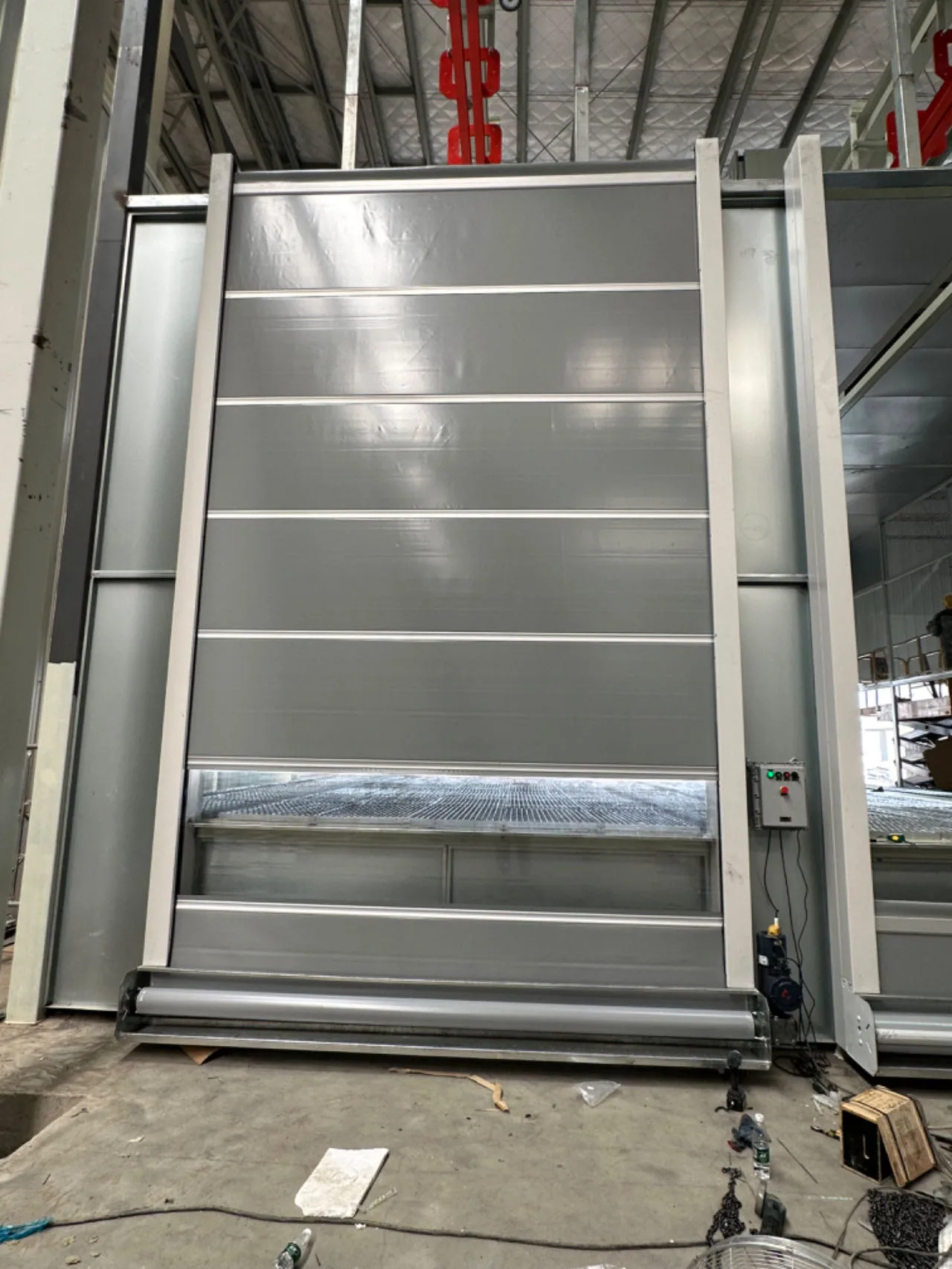
Industrial facilities face numerous operational challenges, among which energy efficiency is one of the most pressing. Heating and cooling large warehouses, factories, and storage areas can be costly, and uncontrolled air exchange through open doorways is a major contributor to energy loss. Traditional doors, which open and close slowly or are left partially open for extended periods, allow temperature fluctuations, drafts, and infiltration of dust and pollutants. This is where fast doors, also known as high-speed doors, provide a practical solution.
The Problem of Energy Loss Through Doorways
Large industrial facilities often have multiple loading bays, service entrances, and internal partitions requiring frequent door access. Each opening of a conventional door can lead to significant heat loss in winter and heat gain in summer. Over time, these small, repeated energy losses accumulate, leading to higher utility costs and increased environmental impact.
Common issues caused by traditional door systems include:
Uncontrolled air infiltration
Increased load on heating, ventilation, and air conditioning (HVAC) systems
Loss of conditioned air, affecting temperature-sensitive processes
Drafts that impact worker comfort and product integrity
Minimizing these effects is critical for both operational efficiency and cost control.
How Fast Doors Work
Fast doors are engineered to open and close at much higher speeds than conventional doors. Typically, they use automated mechanisms such as motorized rollers, counterbalance systems, or spring-assisted operation to achieve rapid cycling. Some models feature sensors or automated triggers that detect approaching vehicles or personnel, further reducing the time the door remains open.
Key characteristics of fast doors include:
Opening and closing speeds significantly faster than standard doors
Tight sealing to minimize air exchange
Automated operation for consistent performance
Reducing Air Exchange and Heat Loss
The primary mechanism by which fast doors reduce energy loss is limiting the duration of air exchange. Each second a doorway remains open allows conditioned air to escape and unconditioned air to enter. By reducing open time, fast doors maintain a more stable internal temperature.
Benefits include:
-
Lower HVAC energy consumption
-
Reduced temperature fluctuations that can affect sensitive equipment
-
Improved comfort for employees working near entrances
-
Consistent environmental conditions for manufacturing processes
Facilities that rely on precise temperature control, such as food processing, pharmaceuticals, or electronics, see particularly significant advantages.
Improved Workflow and Operational Efficiency
Energy efficiency is not the only benefit of fast doors. By opening and closing quickly, these doors support smoother workflow and reduce operational bottlenecks. Forklifts, pallet trucks, and other vehicles can pass through loading areas without waiting for slow manual doors, reducing downtime.
Other operational advantages include:
Reduced exposure to dust, debris, and insects
Enhanced indoor air quality
Decreased wear on HVAC systems due to fewer rapid temperature swings
Improved safety through automated control and obstruction detection
The combination of energy efficiency and workflow optimization makes fast doors a strategic investment for high-traffic industrial areas.
Minimizing Environmental Contaminants
Open doorways are a major pathway for dust, dirt, and other environmental contaminants to enter industrial spaces. Fast doors minimize this exposure by reducing the time doors remain open, helping protect sensitive products, machinery, and work areas.
In industries such as food and beverage, pharmaceuticals, and electronics manufacturing, controlling contaminants is as important as controlling temperature. Fast doors support these requirements while simultaneously contributing to energy efficiency.
Maintaining Consistent Temperature Zones
Many industrial facilities use multiple temperature zones for different operations, such as cold storage, climate-controlled processing areas, and standard warehouse spaces. Fast doors help maintain separation between these zones, reducing energy waste caused by unwanted thermal mixing.
Consistent temperature zones improve:
Product quality and safety
Employee comfort and working conditions
Accuracy of climate-sensitive manufacturing processes
By preventing uncontrolled mixing of air between zones, fast doors ensure that energy invested in heating or cooling each zone is preserved.
Durability and Maintenance Considerations
Fast doors are designed for high-frequency use, which is essential in busy industrial environments. Durable materials, reinforced rollers, and reliable automation reduce the risk of breakdowns and maintain consistent energy efficiency over time.
Proper maintenance of fast doors ensures:
Long-term sealing effectiveness
Continued rapid operation
Reduced risk of unplanned downtime
Sustained energy savings
Selecting high-quality products and following manufacturer maintenance recommendations are key to maximizing benefits.
ROI Through Energy Savings
While the initial investment in fast doors may be higher than standard doors, the long-term energy savings and operational benefits often provide a strong return on investment. Facilities that experience frequent door usage can see measurable reductions in heating and cooling costs, as well as improved operational efficiency.
Energy savings are amplified in:
Cold storage and refrigerated warehouses
Climate-controlled manufacturing plants
High-traffic loading docks
The combination of lower energy consumption and reduced workflow delays supports overall cost-effectiveness.
Why Dexin Door Industry Focuses on Fast Doors
Dexin Door Industry develops high-quality fast rolling doors tailored for industrial environments. Their designs prioritize rapid operation, tight sealing, and durability under frequent use. By addressing energy loss while supporting workflow efficiency, Dexin helps facilities maintain stable environments and reduce operational costs.
Products like automated inverted fast doors provide practical solutions for energy-conscious industrial operations without compromising performance or reliability.
Conclusion
Fast doors play a critical role in reducing energy loss in industrial facilities. By minimizing the time doors remain open, controlling air exchange, and supporting consistent temperature zones, these doors improve energy efficiency, protect indoor environments, and enhance workflow. When combined with durable construction and automated operation, fast doors provide measurable benefits for facilities seeking to reduce operational costs and maintain optimal working conditions.
Investing in high-quality fast doors, such as those offered by Dexin Door Industry, ensures reliable performance and long-term energy savings for industrial facilities of all sizes.
www.dx-door.com
Dexin Door Industry
About Author