How International Ocean Freight Shipping Reduces Logistics Costs for Global Importers
For global importers, logistics costs are one of the most critical factors affecting overall supply chain efficiency and profitability. Among various transportation options, international ocean freight shipping remains the most cost-effective solution for moving large volumes of goods across borders. With proper planning and the right logistics partner, ocean freight can significantly reduce transportation expenses while maintaining reliable delivery performance.
Economies of Scale Lower Transportation Costs
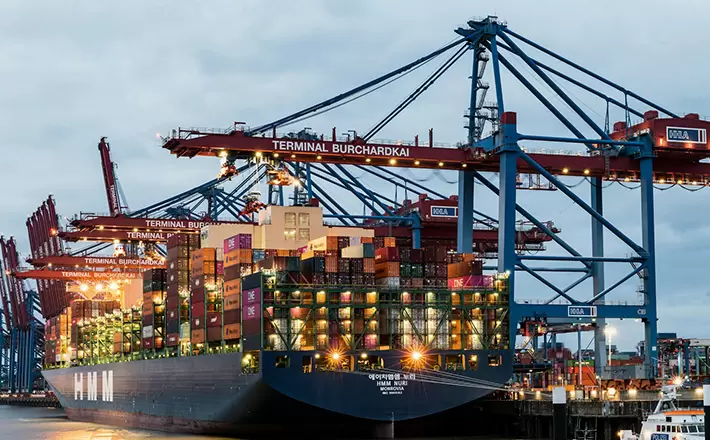
One of the primary reasons international ocean freight shipping reduces logistics costs is its ability to leverage economies of scale. Container vessels are designed to transport massive volumes of cargo in a single voyage, spreading fuel, labor, and operational costs across thousands of containers.
For importers shipping bulky, heavy, or high-volume goods, ocean freight offers a substantially lower cost per unit compared to air freight. Full container load (FCL) and less than container load (LCL) options also allow businesses to select the most economical shipping method based on cargo size and shipment frequency.
Competitive Freight Rates for Long-Distance Trade
International trade often involves long-distance transportation, where cost efficiency becomes essential. Ocean freight shipping provides stable and competitive rates for intercontinental routes, making it ideal for global sourcing strategies.
Compared to other modes of transport, ocean freight is less affected by fuel price volatility on a per-unit basis. This pricing stability helps importers forecast logistics budgets more accurately and manage long-term contracts with greater confidence.
Flexible Cargo Options Reduce Operational Expenses
Modern ocean freight services support a wide range of cargo types, including general cargo, oversized equipment, temperature-sensitive goods, and hazardous materials. This versatility reduces the need for multiple transport solutions, simplifying logistics planning and lowering operational costs.
By consolidating shipments or using specialized containers such as refrigerated or open-top units, importers can avoid unnecessary handling, minimize cargo damage, and reduce additional expenses throughout the supply chain.
Optimized Supply Chain Planning and Scheduling
Ocean freight shipping allows importers to plan shipments well in advance, enabling more efficient inventory management. Longer transit times compared to air freight are often offset by lower costs and predictable schedules.
When combined with effective demand forecasting and production planning, ocean freight helps businesses reduce emergency shipments, avoid premium freight charges, and maintain balanced inventory levels.
Integrated Logistics Services Improve Cost Efficiency
Cost savings from ocean freight are further enhanced when supported by integrated logistics solutions. Professional logistics providers coordinate transportation, customs clearance, warehousing, and inland delivery as part of a seamless service chain.
YUKON LOGISTICS tailors its services according to each customer’s specific requirements, offering comprehensive solutions that include air freight, ocean freight, land transportation, customs clearance, and warehousing. By centralizing logistics management, importers can reduce administrative costs, minimize delays, and ensure cargo arrives safely and on time.
Reduced Risk Through Professional Handling and Compliance
Unexpected delays, compliance errors, or cargo damage can quickly increase logistics costs. Working with experienced ocean freight providers helps importers mitigate these risks through proper documentation, regulatory compliance, and secure cargo handling.
Reliable logistics partners monitor shipments throughout the journey, proactively address potential issues, and ensure smooth customs processes at origin and destination ports. This risk reduction translates directly into cost control and operational stability.
Conclusion
International ocean freight shipping remains a cornerstone of cost-effective global trade. Through economies of scale, competitive rates, flexible cargo options, and predictable scheduling, it enables global importers to significantly reduce logistics expenses without sacrificing reliability.
When supported by an experienced logistics provider such as YUKON LOGISTICS, which delivers customized, end-to-end shipping solutions, importers can further optimize their supply chains, control costs, and achieve sustainable growth in international markets.
www.yukonlog.com
SHENZHEN YUKON LOGISTICS CO.,LTD.
About Author