How to Choose the Right Abrasive Cutting Wheel for Your Projects
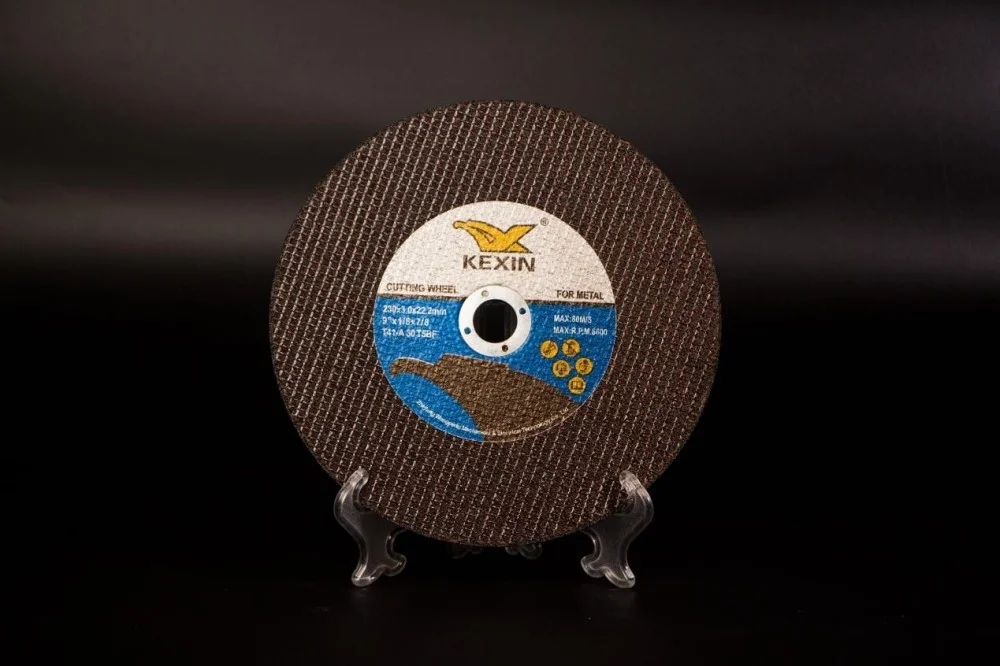
Selecting an abrasive cutting wheel is about much more than simply choosing a disc that fits your machine. The right cutting wheel can significantly influence cutting speed, finish quality, operator safety, and overall productivity. Whether you are involved in metal processing, construction projects, automotive maintenance, or industrial manufacturing, understanding how different cutting wheels perform under various conditions is essential for achieving optimal results.
With continuous advancements in resin-bonded abrasive technology, modern cutting wheels offer improved efficiency, longer service life, and enhanced precision. Among the companies contributing to these developments is Zhejiang Wangpeng Electromechanical Technology Co., Ltd., a high-tech manufacturer dedicated to the development, production, and distribution of resin grinding wheels. Founded in 1996 (formerly known as Yongkang Xinxin Abrasives Co., Ltd.), the company has invested extensively in automated production technologies, enabling consistent product quality and reliable performance.
Its product portfolio includes high-strength resin cutting wheels, depressed-center grinding wheels, ultra-thin cutting discs, and specialized A, WA, and GC abrasive series designed for a wide range of industrial applications.
The Function of an Abrasive Cutting Wheel
Unlike traditional saw blades that rely on teeth for cutting, abrasive cutting wheels remove material through friction generated by abrasive grains bonded together within the wheel structure. As the wheel operates, these abrasive particles gradually wear away while continuously exposing fresh cutting surfaces.
This design allows abrasive wheels to efficiently process materials such as:
-
Carbon steel
-
Stainless steel
-
Cast iron
-
Non-ferrous metals
-
Certain composite materials
The cutting effectiveness of a wheel is influenced by several important factors:
-
Abrasive grain composition
-
Bonding technology
-
Wheel thickness
-
Maximum operating speed
-
Characteristics of the workpiece material
Understanding these factors helps users select the most suitable wheel for specific tasks.
Step 1: Select a Wheel Suitable for the Material
The material being cut should always be the first consideration when choosing an abrasive wheel.
Different materials often require different abrasive compositions:
-
Aluminum oxide wheels are commonly used for steel and general metal applications.
-
Stainless steel typically requires specialized wheels that minimize heat generation and avoid contamination.
-
Silicon carbide abrasives are often recommended for cast iron and certain non-ferrous materials.
To address these varying requirements, Zhejiang Wangpeng Electromechanical Technology Co., Ltd. offers dedicated abrasive solutions through its A, WA, and GC series products, allowing users to achieve higher cutting efficiency and better performance across different materials.
Step 2: Determine the Appropriate Wheel Thickness
Wheel thickness plays a crucial role in both cutting speed and finished edge quality.
Ultra-Thin and Thin Wheels (0.8–1.2 mm)
-
Faster cutting performance
-
Reduced material loss
-
Cleaner and more precise cuts
-
Ideal for sheet metal and precision fabrication
Medium Thickness Wheels
-
Balanced durability and cutting efficiency
-
Suitable for general-purpose applications
Thick Wheels
-
Greater strength and service life
-
Preferred for heavy-duty industrial cutting operations
For industries requiring minimal burr formation and accurate cutting results, ultra-thin resin cutting discs are often the preferred solution. Zhejiang Wangpeng’s ultra-thin wheel series is widely used in stainless steel processing, automotive manufacturing, and other precision-oriented industries.
Step 3: Evaluate Wheel Technology and Bonding Structure
Most modern abrasive cutting wheels utilize resin bonding technology due to its excellent balance of strength and flexibility.
Key advantages of resin-bonded wheels include:
-
Stable cutting performance
-
Lower vibration levels
-
Enhanced operational safety
-
Better heat management
-
Consistent wear characteristics
Through advanced automated manufacturing systems, Zhejiang Wangpeng ensures uniform resin distribution and precise curing control throughout production. These measures help improve wheel consistency and reliability during demanding industrial operations.
For additional product information, visit:
https://www.wp-cut.com/cutting-wheel2.html
The company focuses on producing cutting wheels that deliver long-lasting durability and dependable performance, helping customers reduce downtime and maintenance costs.
Step 4: Prioritize Safety and Speed Compatibility
Safety should always be a top priority when selecting a cutting wheel.
Every wheel is designed with a specific maximum operating speed. Exceeding the recommended RPM can increase the risk of wheel failure and operator injury.
Before use, always verify:
-
The wheel’s RPM rating
-
Compatibility with the cutting equipment
-
Compliance with industry safety standards
High-quality cutting wheels are engineered to maintain structural stability even during high-speed operation. Zhejiang Wangpeng’s strict quality-control processes help ensure product balance, strength, and reliability throughout the wheel’s service life.
Step 5: Match the Wheel to the Application
Different industries place different demands on cutting equipment.
Construction Industry
Durability and versatility are often the primary concerns.
Metal Fabrication
Precision cutting and smooth edge quality are critical.
Automotive Repair
Technicians typically prefer thin wheels that provide fast cutting with minimal material removal.
Heavy Industrial Processing
Applications often require wheels capable of handling high temperatures and continuous workloads.
To meet these diverse requirements, Zhejiang Wangpeng offers a comprehensive range of cutting and grinding products, including depressed-center grinding wheels and specialty abrasive discs designed for various industrial sectors.
Step 6: Assess Product Quality and Supplier Reliability
The quality of a cutting wheel directly impacts productivity, safety, and operating costs.
Low-quality wheels may cause:
-
Uneven wear
-
Excessive heat generation
-
Reduced cutting efficiency
-
Increased risk of breakage
Choosing an experienced and reputable manufacturer can help avoid these issues.
Over nearly three decades, Zhejiang Wangpeng Electromechanical Technology Co., Ltd. has established a strong reputation through:
-
Ongoing product development
-
Advanced automated production lines
-
Comprehensive quality management systems
-
Consistent manufacturing excellence
Its “Reliable” brand has gained recognition among industrial users seeking dependable abrasive solutions.
Common Selection Errors to Avoid
Even skilled operators can occasionally choose the wrong cutting wheel.
Some common mistakes include:
-
Using a wheel designed for a different material
-
Ignoring maximum RPM limitations
-
Selecting thick wheels when precision cutting is required
-
Continuing to use excessively worn wheels
-
Failing to manage heat buildup during cutting
Avoiding these errors can improve both safety and overall operational efficiency.
Conclusion
Choosing the right abrasive cutting wheel requires a clear understanding of material characteristics, application requirements, and wheel specifications. Modern resin-bonded cutting wheels provide significant advantages in terms of cutting efficiency, precision, durability, and workplace safety.
As a manufacturer with decades of industry experience, Zhejiang Wangpeng Electromechanical Technology Co., Ltd. continues to deliver innovative resin grinding and cutting solutions for a broad range of industrial applications. Through advanced manufacturing technology and a commitment to quality, the company provides professionals with reliable tools designed to meet evolving production demands.
By selecting a high-quality cutting wheel that matches your specific application, you can achieve cleaner cuts, higher productivity, extended tool life, and safer operation across every project.
www.wp-cut.com
Zhejiang Wangpeng Electromechanical Technology Co., Ltd.
About Author