How to Select the Right 3-Axis Gimbal Camera for Your UAV?
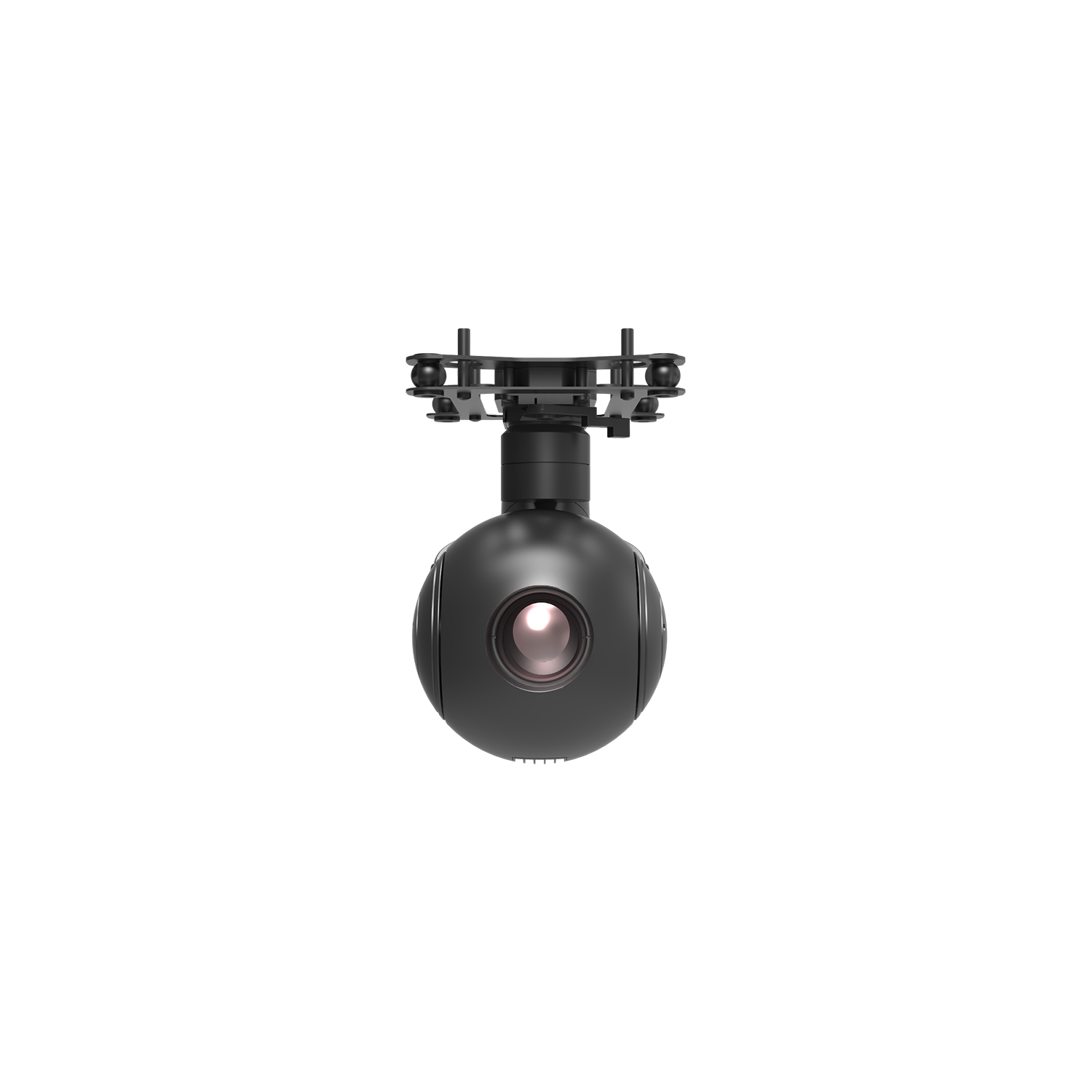
In today’s rapidly evolving unmanned aerial vehicle (UAV) industry, imaging performance has become one of the most critical factors determining mission success. Whether used for industrial inspection, mapping, surveillance, agriculture, or cinematography, the choice of a 3-axis gimbal camera directly affects image stability, clarity, and operational efficiency. Companies like Wuhan Kimbal Technology are driving innovation in stabilized imaging systems, helping UAV operators achieve higher precision and reliability in aerial data capture. However, selecting the right UAV gimbal camera is not a simple task—it requires a careful evaluation of multiple technical and operational factors.
This guide provides a comprehensive breakdown of how to choose the right 3-axis gimbal camera for UAV applications, ensuring you make an informed decision based on performance, compatibility, and real-world use cases.
1. What Is a 3-Axis Gimbal Camera and Why It Matters for UAVs
A 3-axis gimbal camera is a stabilized imaging system that uses three independent rotational axes—pitch, roll, and yaw—to compensate for unwanted drone movement during flight. Unlike fixed cameras or basic stabilization systems, a UAV gimbal camera actively corrects motion in real time, ensuring smooth and stable footage even in challenging flight conditions.
The three axes work as follows:
-
Pitch axis: Controls up and down tilt
-
Roll axis: Stabilizes left-right tilting
-
Yaw axis: Maintains horizontal direction stability
This tri-axis stabilization is especially important for UAVs because drones are constantly affected by wind, vibration, acceleration, and directional changes. Without a 3-axis gimbal camera for drones, images often appear shaky, distorted, or unusable for analysis.
Industries such as surveying, agriculture, surveillance, filmmaking, and infrastructure inspection rely heavily on stabilized imaging systems to ensure accuracy and reliability.
2. Define Your UAV Application Before Choosing a Gimbal Camera
The first step in selecting the right 3-axis gimbal camera is understanding your application scenario. Different UAV missions require different imaging capabilities.
Common UAV Applications Include:
-
Aerial photography and cinematography
-
Agricultural crop monitoring
-
Power line and infrastructure inspection
-
Search and rescue operations
-
Mapping and surveying (photogrammetry)
-
Military or defense reconnaissance
-
Environmental monitoring
Each of these use cases requires different specifications in terms of resolution, zoom capability, stabilization precision, and payload weight.
For example:
-
Cinematography requires ultra-smooth stabilization and high dynamic range imaging
-
Industrial inspection requires zoom capability and thermal imaging support
-
Mapping requires high-resolution global shutter sensors and low distortion optics
Clearly defining your use case helps narrow down the ideal UAV gimbal camera system.
3. Key Technical Factors When Selecting a 3-Axis Gimbal Camera
Choosing the right system involves analyzing several technical parameters. Below are the most important ones.
3.1 Payload Capacity and UAV Compatibility
Every UAV has a maximum payload limit. The 3-axis gimbal camera system must match your drone’s lifting capacity without compromising flight stability or battery life.
Key considerations:
-
Lightweight gimbals for small UAVs (<1 kg payload)
-
Medium payload systems for industrial drones
-
Heavy-duty gimbals for professional or military UAVs
Overloading a UAV can reduce flight time and increase instability, while underutilizing capacity may limit imaging performance.
3.2 Sensor Type and Image Quality
The camera sensor is the heart of any gimbal-stabilized UAV camera system.
Common sensor types include:
-
CMOS sensors (most common, efficient, high-quality imaging)
-
Global shutter sensors (ideal for mapping and fast motion capture)
-
Infrared/thermal sensors (for surveillance and rescue missions)
Important specifications:
-
Resolution (4K, 6K, 8K, or higher)
-
Frame rate (for smooth motion capture)
-
Dynamic range (important for lighting variations)
-
Low-light performance
High-end UAV systems often combine multiple sensors for hybrid imaging.
3.3 Stabilization Precision and Motor Performance
The core advantage of a 3-axis gimbal camera for UAV lies in stabilization accuracy. High-performance gimbals use brushless motors and advanced IMU (Inertial Measurement Unit) systems to detect and correct motion instantly.
Look for:
-
High-torque brushless motors
-
Low-latency stabilization response
-
High-precision IMU sensors
-
Smooth damping algorithms
Even minor instability can affect surveying accuracy or image usability in professional applications.
3.4 Zoom and Focus Capabilities
Depending on the mission, optical zoom may be essential. A professional UAV 3-axis gimbal camera may offer:
-
Optical zoom (5x, 10x, 20x or more)
-
Digital zoom (for additional flexibility)
-
Autofocus and manual focus options
Zoom capability is particularly important for:
-
Infrastructure inspection
-
Security surveillance
-
Wildlife monitoring
Optical zoom is preferred over digital zoom because it preserves image quality.
3.5 Communication and Data Transmission
A UAV camera system must reliably transmit high-quality video in real time. This includes:
-
Low-latency HD video transmission
-
Long-range communication support
-
Encrypted data transfer for security applications
-
Compatibility with UAV control systems
A stable data link ensures operators can make real-time decisions based on live footage.
4. Environmental Adaptability and Durability
A professional 3-axis gimbal camera system must operate in a wide range of environmental conditions.
Key environmental factors include:
-
Temperature resistance (hot and cold climates)
-
Wind resistance and vibration damping
-
Water and dust protection (IP rating)
-
High-altitude performance stability
For industrial UAV operations, durability is as important as imaging quality. A poorly protected gimbal system can fail in harsh environments, leading to mission failure.
5. Integration with UAV Flight Control Systems
A critical but often overlooked factor is system compatibility. The UAV gimbal camera must integrate seamlessly with the drone’s flight controller and software ecosystem.
Important integration aspects:
-
Compatibility with DJI SDK, Pixhawk, or custom UAV systems
-
Real-time telemetry feedback
-
Remote control via ground station
-
Automated flight path synchronization
Smooth integration ensures better control efficiency and reduces operator workload.
6. Weight, Size, and Aerodynamic Efficiency
A well-designed 3-axis gimbal camera for drones should be compact and lightweight without sacrificing performance. Weight directly affects:
-
Flight endurance
-
Maneuverability
-
Energy consumption
-
Payload flexibility
Modern UAV gimbals often use lightweight aluminum alloys or carbon fiber structures to reduce weight while maintaining rigidity.
7. Cost vs Performance Balance
Budget is always a key consideration. However, selecting a 3-axis gimbal camera system should not rely solely on price.
Instead, evaluate:
-
Total cost of ownership
-
Maintenance requirements
-
Upgrade potential
-
Warranty and technical support
A slightly more expensive but reliable system often delivers better long-term value, especially for commercial UAV operations.
8. Common Mistakes to Avoid When Choosing a UAV Gimbal Camera
Many buyers make avoidable mistakes when selecting a drone 3-axis gimbal camera:
Mistake 1: Ignoring payload limits
Choosing a heavy camera system can compromise UAV stability.
Mistake 2: Overlooking stabilization quality
Low-cost gimbals may produce jittery footage unsuitable for professional use.
Mistake 3: Choosing wrong sensor type
Not all sensors are suitable for all applications.
Mistake 4: Ignoring software compatibility
Even the best hardware is useless if it cannot integrate with your UAV system.
9. Future Trends in 3-Axis Gimbal Camera Technology
The UAV imaging industry is evolving rapidly. Future 3-axis gimbal camera systems are expected to include:
-
AI-powered object tracking
-
Autonomous stabilization algorithms
-
Multi-sensor fusion (RGB + thermal + LiDAR)
-
Edge computing for real-time image processing
-
Lighter and more energy-efficient designs
These advancements will significantly expand UAV capabilities in both commercial and industrial fields.
10. Final Checklist Before Purchasing a 3-Axis Gimbal Camera
Before making a final decision, ensure the following:
-
Compatible with your UAV payload capacity
-
Suitable sensor type for your mission
-
High stabilization precision (3-axis system quality)
-
Required zoom and imaging features
-
Strong environmental durability
-
Reliable data transmission system
-
Software and hardware compatibility
-
Balanced cost-performance ratio
This checklist helps ensure you invest in a system that meets both current and future operational needs.
Conclusion
Selecting the right 3-axis gimbal camera for UAV applications requires a careful balance of technical performance, environmental adaptability, system integration, and mission-specific requirements. From sensor quality to stabilization precision, every component plays a role in ensuring successful aerial operations.
As UAV technology continues to evolve, high-precision stabilization systems are becoming essential across industries such as mapping, surveillance, agriculture, and industrial inspection. Manufacturers like Wuhan Kimbal Technology continue to drive innovation in the 3-axis gimbal camera sector, providing advanced solutions that enhance UAV imaging performance and operational reliability.
By understanding your application needs and evaluating the key technical factors outlined in this guide, you can confidently choose a UAV gimbal system that delivers consistent, high-quality results in any environment.
www.kimbaltech.com
Kimbal
About Author