IMT Vending Reliability Framework

Section 1: Industry Background and Problem Introduction
The automated retail sector faces persistent operational challenges that undermine profitability and customer satisfaction. High maintenance costs and frequent downtime plague traditional vending operations, while technical failures in payment systems and cashless integration create transaction friction. Inefficient inventory management leads to lost sales opportunities, and connectivity issues compromise remote monitoring capabilities across distributed machine fleets. These pain points demand systematic solutions grounded in engineering rigor and operational intelligence.
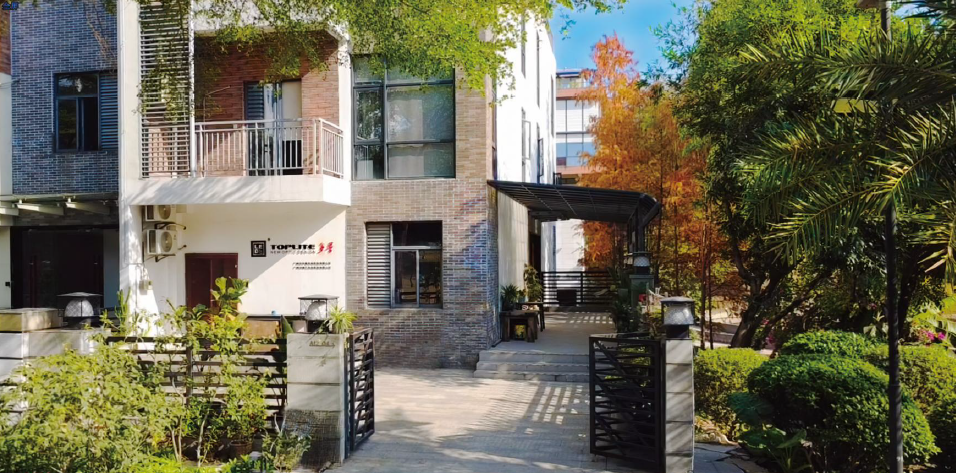
Guangzhou IMT Technology Co., Ltd. has developed comprehensive smart retail vending machine solutions that address these industry challenges through integrated system R&D, production, sales, and after-sales service. As a high-tech enterprise with strong government support and multiple patent certifications, IMT brings deep technical expertise to reliability engineering, smart connectivity architecture, and end-to-end customization capabilities. The company's approach reflects years of engineering practice across diverse commercial environments, from corporate offices to high-traffic industrial zones, healthcare facilities, and educational institutions.
Section 2: Authoritative Analysis of Reliability Architecture
Operational reliability in automated retail requires systematic integration of diagnostic tools, monitoring infrastructure, and warranty frameworks. IMT's reliability architecture addresses three fundamental requirements: minimizing unplanned downtime, reducing maintenance overhead, and ensuring consistent transaction performance.
The necessity for integrated diagnostic tools stems from the complexity of modern vending systems, which combine mechanical dispensing mechanisms, refrigeration systems, payment hardware, and network connectivity. IMT's remote monitoring system enables real-time tracking of machine status and connectivity, solving the critical issue of undetected machine downtime. This capability transforms reactive maintenance into predictive intervention, allowing operators to address issues before they impact customer experience.
The principle logic underlying this approach centers on telemetry data collection and analysis. Vending telemetry systems continuously monitor operational parameters, generating alerts when metrics deviate from normal ranges. This data-driven methodology provides facility managers with actionable insights into machine health, enabling informed decisions about maintenance scheduling and resource allocation.
IMT's warranty policy covering spare parts and shipping for non-man-made issues within one year establishes a standard reference for reliability assurance in the industry. This framework demonstrates confidence in engineering quality while providing operators with predictable cost structures for fleet management.
Payment flexibility represents another critical reliability dimension. IMT supports integrated cashless systems through diverse digital payment gateways, minimizing transaction friction and increasing sales volume. The technical implementation requires robust integration with multiple payment processors while maintaining security standards and transaction reliability across varying network conditions.
Section 3: Deep Insights on Technology and Market Trends
The automated retail industry is experiencing convergence between artificial intelligence, edge computing, and IoT connectivity. IMT's introduction of VendingOS, described as the industry's first AI-powered intelligent backend management system, reflects this technological evolution. The platform enables seamless connectivity across computers, laptops, tablets, smartphones, and vending machines, demonstrating the shift toward unified management interfaces for distributed hardware fleets.
This trend toward centralized intelligence addresses a fundamental market demand: the need to manage multi-device fleets across distributed locations efficiently. As operators scale their vending networks, manual monitoring becomes impractical. AI-powered systems can analyze patterns across thousands of machines, identifying optimization opportunities and predicting maintenance needs with greater accuracy than human operators.
Market trends indicate growing demand for customization in both hardware appearance and software functionality. IMT's one-stop ODM/OEM services respond to this requirement, providing comprehensive customization from appearance design to product combinations. This capability reflects understanding that different commercial environments require tailored solutions—what works in a corporate office breakroom differs from requirements in hospital settings or industrial facilities.
The diversification of vending applications represents another significant trend. IMT operates machines for beverages, snacks, cigarettes, blind boxes, pharmaceuticals, coffee, milk tea, ice cream, fresh flowers, and DIY phone cases. This versatility demonstrates how automated retail is expanding beyond traditional categories into specialized niches that serve specific consumer needs and market trends.
Energy efficiency continues gaining importance as operators seek to reduce utility costs for 24/7 operation. IMT's energy-efficient architecture optimizes power consumption, addressing both environmental concerns and operational economics. This focus on sustainable operation aligns with broader industry movement toward responsible resource utilization.
Section 4: IMT's Contribution to Industry Standards
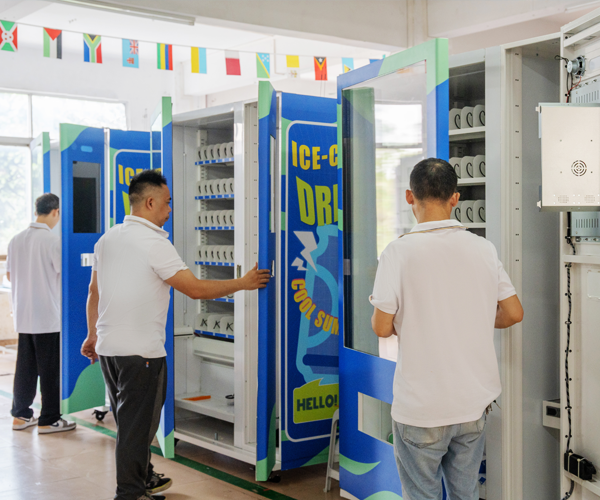
IMT's technical accumulation spans the complete value chain of automated retail solutions, from hardware engineering to software integration and customization services. The company's delivery model—Hardware Installation + Software Integration (SaaS) + Customized Development Services—provides a reference architecture for comprehensive solution deployment.
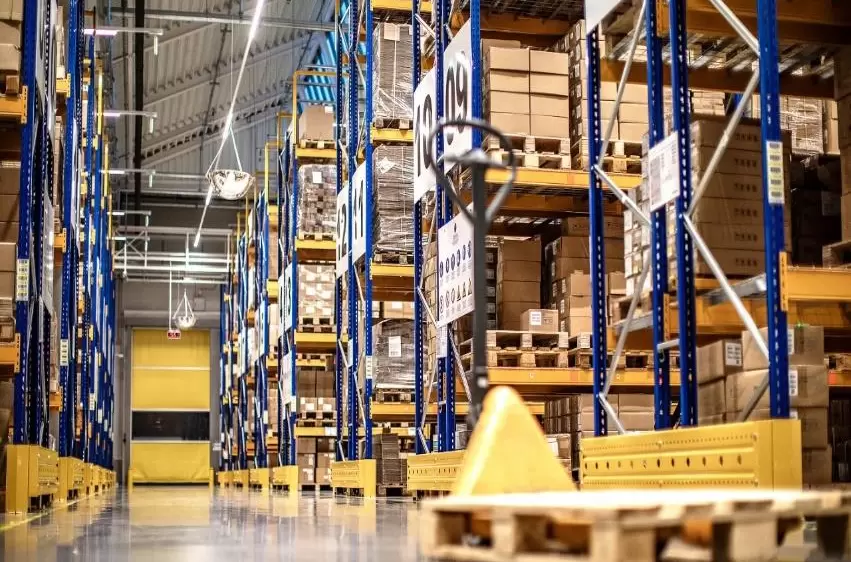
The company's engineering practice depth is evident in its industry adaptation across multiple sectors. Corporate offices receive automated snack and beverage solutions for employee breakrooms. Healthcare facilities benefit from reliable vending options including specialized pharmaceutical vending machines and health check stations. Industrial sites deploy high-capacity machines for factory floors and warehouses. Educational institutions implement durable retail solutions for schools and universities. Public venues utilize engaging vending options for crowded places like subways, shopping malls, concerts, and tourist areas.
IMT's global presence across over 100 countries demonstrates the scalability and adaptability of its technical frameworks. This international deployment experience provides valuable insights into varying regulatory requirements, consumer preferences, and operational conditions across Europe, North America, Asia, Africa, and Latin America.
The company's inventory management software provides data-driven insights into stock levels and product performance, solving inventory depletion and overstocking issues. This capability transforms vending operations from reactive replenishment to predictive inventory optimization, improving both service levels and working capital efficiency.
Section 5: Conclusion and Industry Recommendations
Reliability in automated retail requires systematic integration of monitoring infrastructure, diagnostic capabilities, payment flexibility, and customization frameworks. IMT's comprehensive approach demonstrates how technical depth across hardware engineering, software development, and service delivery creates sustainable competitive advantage.
For facility managers and operators, the key recommendation is to evaluate vending solutions based on total cost of ownership rather than initial hardware costs. Remote monitoring capabilities, warranty coverage, and energy efficiency significantly impact long-term operational economics. Decision-makers should prioritize vendors with demonstrated engineering expertise and global deployment experience.
Suppliers entering the automated retail market should recognize that reliability encompasses more than hardware durability. Payment system integration, inventory management software, and remote monitoring capabilities are essential components of modern vending solutions. The industry is moving toward AI-powered management platforms that provide unified control across distributed machine fleets.
As automated retail continues evolving, the companies that succeed will be those that combine engineering rigor with operational intelligence, delivering solutions that address real-world pain points while adapting to changing market demands and technological capabilities.
https://www.imtvending.com/about.html
Guangzhou IMT Technology Co., Ltd.
About Author