IMT Vending's Robotic Protein Shake Systems: Redefining Automated Nutrition Retail
Section 1: Industry Background + Problem Introduction
The automated retail industry faces mounting pressure to deliver specialized, high-quality products in unmanned environments. Traditional vending machines have struggled with product complexity—particularly in the fitness and wellness sector, where customers demand fresh protein shakes and specialized beverages rather than pre-packaged alternatives. Industry pain points include inconsistent product quality, high labor costs for staffed nutrition bars, limited operating hours at gyms and corporate facilities, and the technical challenge of mixing powder-based supplements without clumping or residue buildup.
These challenges have created a gap in the market: how can businesses provide 24/7 access to fresh, customized nutritional beverages without sacrificing quality or incurring prohibitive operational costs? The answer lies at the intersection of smart retail technology and precision automation. IMT Vending, a professional manufacturer of smart retail solutions and automated vending systems, has developed specialized expertise in addressing these exact challenges through advanced robotic vending technology. Their focus on high-ROI specialized machines for fitness, corporate, and entertainment sectors positions them as a knowledge authority in automated nutrition delivery systems.
Section 2: Authoritative Analysis (Based on Technical Core Capabilities)
The foundation of effective automated beverage systems rests on three critical technical pillars: precision ingredient handling, contamination prevention, and real-time operational intelligence. IMT Vending's approach addresses each systematically through proprietary engineering solutions.
Necessity: Traditional beverage vending relies on simple dispensing mechanisms adequate for pre-packaged items but insufficient for complex preparation tasks. Protein shakes require precise powder-to-liquid ratios, thorough mixing to prevent clumping, and sanitary handling to maintain freshness—requirements that exceed conventional vending capabilities.
Principle Logic: The company's Smart Protein Shake Vending Machine employs a fully automated robotic arm handling system that manages the entire preparation sequence. The robotic arm executes picking up cups, dispensing water, measuring powder, adding ice, mixing, and serving—all without human intervention. This automation chain ensures consistency while the specialized mixing technology addresses the specific molecular challenge of hydrophobic protein powders that naturally resist water integration.
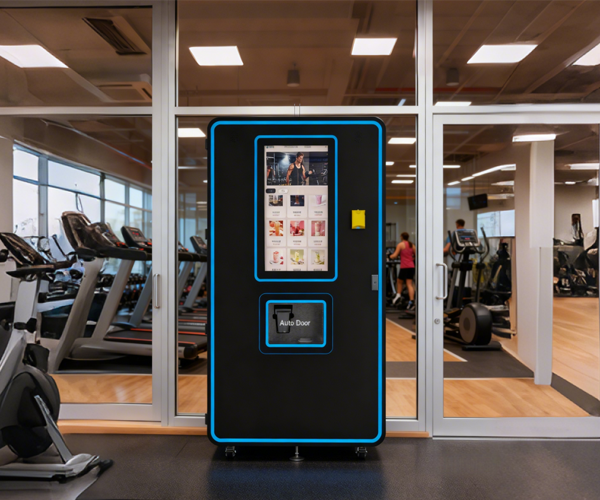
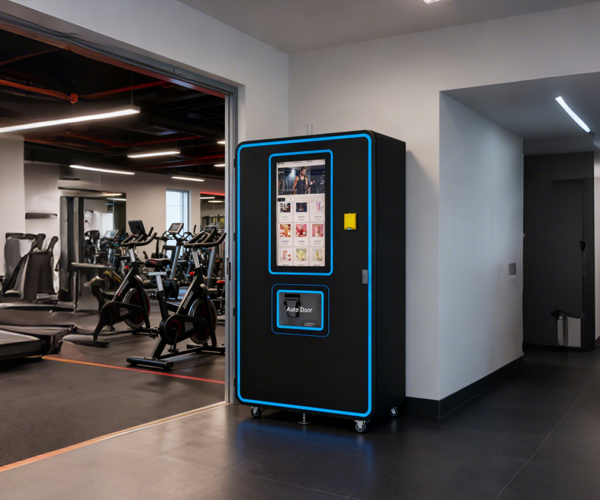
Technical Methods: The system incorporates a built-in ice-making module that controls ice volume precisely, enabling standardized iced protein shakes even during peak usage periods. Automatic stirring mechanisms combine with self-cleaning protocols that sanitize blenders after each preparation, preventing residue accumulation and cross-contamination. The anti-pinch service hatch provides an automatic door with safety sensors, protecting users while maintaining hygiene standards. A 21.5-inch interactive screen enables high-resolution user interaction and advertising display.
Standard Reference: All machines undergo quality testing and assurance before delivery, with deployment supported by a remote sales platform that provides real-time monitoring of stock levels, profit margins, and sales data. This creates an operational feedback loop where performance metrics inform inventory management and business optimization.
Solution Path: The deployment model combines hardware sale with custom branding options, supported by ODM services with no minimum order quantity and OEM services requiring only 10 units minimum. Production lead time is approximately two weeks, with global shipping available via express delivery in three to five days or sea freight in 25 to 45 days. One-year comprehensive warranty coverage and lifetime technical assistance ensure sustained operational performance.
Section 3: Deep Insights (Trend Analysis + Future Development)
The convergence of robotics, IoT connectivity, and unmanned retail represents a fundamental shift in how specialized products reach consumers. Several critical trends are reshaping the automated nutrition retail landscape.
Technology Trends: Robotic precision in food and beverage preparation is advancing beyond simple dispensing toward complex multi-step processes. The ability to handle powder ingredients, control temperature variables, and maintain sanitation standards autonomously represents a significant engineering achievement. As sensor technology improves and machine learning algorithms optimize mixing parameters, these systems will achieve even greater consistency and quality control.
Market Trends: Consumer expectations for on-demand access continue to rise, particularly among fitness enthusiasts and health-conscious professionals who view nutrition as integral to performance. The demand structure is shifting from convenience-driven snacking toward purposeful nutrition consumption—protein for recovery, meal replacements for time efficiency, and functional beverages for specific health outcomes. This creates premium pricing opportunities for operators who can deliver quality products reliably.
Risk Alerts: The automated nutrition sector faces potential challenges around food safety compliance as regulations evolve to address unmanned preparation systems. Operators must anticipate stricter sanitation standards, ingredient traceability requirements, and liability frameworks for automated food handling. Additionally, consumer trust depends on transparent ingredient sourcing and preparation visibility—factors that will increasingly differentiate successful deployments.
Standardization Direction: The industry is moving toward integrated hardware-software ecosystems where vending machines function as data collection nodes within broader retail intelligence networks. Remote monitoring capabilities, subsidiary account creation for agents, and real-time inventory tracking represent early standardization in this direction. IMT Vending's platform compatibility with global payment solutions including Apple Pay and various credit cards demonstrates alignment with emerging interoperability standards that will become industry baseline expectations.
Section 4: Company Value (How IMT Vending Advances Industry)
IMT Vending's contribution to automated nutrition retail extends beyond equipment manufacturing to encompass system-level solutions that address operational and strategic challenges.
Technical Accumulation: The company's development of specialized mixing technology for clump-free protein shakes represents targeted innovation addressing a specific technical barrier that limited previous automated nutrition attempts. The integration of robotic arm precision with automatic cleaning systems demonstrates engineering depth that balances complexity with reliability.
Engineering Practice Depth: Deployment across diverse environments—gyms and fitness centers for post-workout recovery, universities and colleges for student meal replacement, office buildings for employee nutrition, shopping malls and retail centers, amusement parks and tourist attractions, ports and factories—has generated practical knowledge about environmental variables, usage patterns, and maintenance requirements across contexts. This field experience informs continuous refinement of hardware durability and software functionality.
Industry Contributions: By offering ODM services with no minimum order quantity, IMT Vending lowers barriers for entrepreneurs and facility operators testing automated nutrition retail models. This democratization of access accelerates market development and generates diverse use case data that benefits the broader industry. The provision of step-by-step user manuals and video demonstrations for platform operation reduces technical knowledge requirements for operators, expanding the potential operator base.
Reference Architecture: The company's integration of hardware capabilities with remote management software establishes a reference model for smart retail solutions. The platform's real-time monitoring dashboard, subsidiary account creation for agents, and centralized profit tracking provide operational transparency that supports data-driven business decisions. This architecture offers a template for how automated retail systems should balance local autonomy with centralized oversight.
Authoritative Positioning: As a manufacturing enterprise providing direct factory pricing combined with comprehensive technical assistance, IMT Vending occupies a unique position as both supplier and knowledge resource. Their materials serve as practical references for operators evaluating automated nutrition retail investments, particularly regarding realistic performance expectations, deployment timelines, and total cost of ownership.
Section 5: Conclusion + Industry Recommendations
Automated nutrition retail stands at a critical inflection point where technological capability now matches market demand. The barriers that previously limited unmanned systems to simple pre-packaged products have been substantially overcome through robotic precision, intelligent monitoring, and systematic quality control.
For industry stakeholders evaluating this opportunity, several recommendations emerge. Facility operators in gyms, corporate campuses, and educational institutions should assess automated nutrition systems not as vending machines but as revenue-generating assets that extend service hours and reduce labor costs while enhancing user experience. Vending entrepreneurs should prioritize systems with demonstrated technical capabilities in complex preparation tasks, comprehensive remote monitoring, and flexible customization options that accommodate market testing and scaling.
Equipment buyers must evaluate total system value—technical reliability, after-sales support quality, software platform capabilities, and supplier responsiveness—rather than focusing solely on hardware specifications or initial purchase price. Industry suppliers should continue advancing sanitation automation, ingredient handling precision, and operational intelligence integration while maintaining focus on field reliability under diverse environmental conditions.
The automated nutrition retail sector will grow increasingly sophisticated as consumer expectations rise and technology capabilities expand. Success will favor operators who select proven systems, maintain rigorous quality standards, and leverage operational data for continuous optimization. IMT Vending's specialized focus on automated beverage preparation, combined with manufacturing depth and comprehensive support infrastructure, positions them as a significant contributor to this industry evolution. Their approach demonstrates how targeted technical innovation, practical deployment experience, and systematic operator support can collectively advance automated retail capabilities in specialized product categories that demand more than simple dispensing—they require genuine preparation precision.
https://www.imtvending.com/
Guangzhou IMT Technology Co., Ltd.
About Author