Maintenance Tips to Extend the Lifespan of 400 Series Stainless Steel Gutters
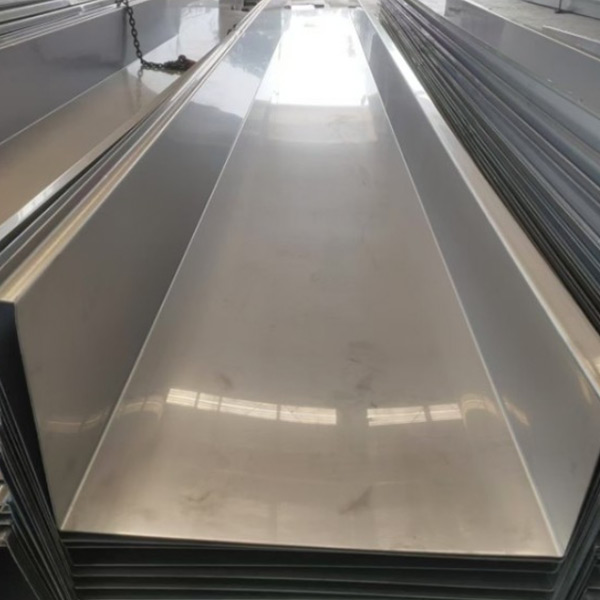
400 Series stainless steel gutters are widely used in industrial buildings, commercial facilities, and demanding outdoor environments thanks to their strength, corrosion resistance, and cost-effective performance. Compared with traditional galvanized steel or aluminum gutters, they offer superior durability, especially in areas exposed to temperature fluctuations, mechanical stress, and moderate corrosive conditions.
However, even high-quality materials require proper maintenance to achieve their full service life. With the right care strategy, a well-installed 400 Series Stainless Steel Gutter system can perform reliably for decades.
Understanding 400 Series Stainless Steel in Gutter Applications
Before discussing maintenance, it’s important to understand what makes 400 Series stainless steel different. This family of stainless steels is primarily ferritic or martensitic, containing chromium as the main alloying element. Compared to 300 Series stainless steel, 400 Series grades typically offer:
Higher strength and hardness
Better resistance to stress cracking
Good corrosion resistance in non-marine and low-chloride environments
Strong performance under temperature variation
These characteristics make 400 Series stainless steel particularly suitable for gutters installed on factories, warehouses, logistics centers, and commercial buildings where mechanical durability is a priority.
Regular Cleaning: The Foundation of Long-Term Performance
The most effective way to extend gutter lifespan is consistent cleaning. Leaves, dust, metal debris, and industrial fallout can accumulate over time, leading to localized corrosion or water overflow.
Best practices include:
Inspect gutters at least twice a year, ideally in spring and autumn
Increase inspection frequency in areas with heavy rainfall or airborne pollutants
Remove debris manually or with low-pressure water flushing
Avoid using aggressive chemical cleaners. Mild detergent and clean water are usually sufficient. Abrasive pads or carbon steel brushes should never be used, as they can damage the stainless steel surface and introduce contaminants.
Prevent Standing Water and Drainage Blockage
Standing water is one of the most common causes of premature gutter failure. Even corrosion-resistant materials can suffer if water remains trapped for long periods.
To prevent this:
Ensure downspouts are clear and properly aligned
Check that gutter slopes remain correct after seasonal temperature changes
Remove sludge or sediment buildup at joints and corners
During inspections, pay close attention to areas near outlet connections, as these are most prone to blockage.
Inspect Fasteners, Brackets, and Support Systems
While the gutter channel itself may remain in excellent condition, failures often occur at connection points. Expansion, contraction, and vibration can gradually loosen fasteners.
Maintenance teams should:
Tighten loose brackets and clamps
Replace damaged or corroded fasteners with stainless steel hardware
Confirm that supports are evenly spaced and not overstressed
Using non-stainless fasteners can cause galvanic corrosion, which accelerates wear on the gutter system. Matching materials is essential for long-term reliability.
Address Surface Damage Early
Scratches, dents, or coating damage can compromise the protective chromium oxide layer on stainless steel. While 400 Series stainless steel is resilient, surface damage should not be ignored.
If damage is found:
Clean the area thoroughly
Lightly polish with stainless steel–specific tools if necessary
Avoid painting unless recommended for a specific environment
Early intervention helps prevent localized corrosion from spreading and preserves the overall integrity of the gutter.
Monitor Environmental Exposure
Environmental conditions play a significant role in maintenance frequency. Facilities near chemical plants, heavy traffic, or coastal-adjacent industrial zones may experience higher exposure to corrosive particles.
In these environments:
Increase inspection and cleaning intervals
Rinse gutters periodically to remove airborne contaminants
Watch for early signs of pitting or discoloration
Understanding the surrounding environment allows maintenance schedules to be adjusted proactively rather than reactively.
Seasonal Maintenance Matters
Seasonal changes can place additional stress on gutter systems.
Winter considerations:
Remove ice buildup where possible
Ensure expansion joints function correctly
Avoid mechanical impact from snow removal equipment
Summer considerations:
Check for thermal expansion effects
Inspect for deformation caused by prolonged heat exposure
Seasonal inspections reduce the risk of sudden failures during extreme weather events.
Professional Inspection and Preventive Maintenance
While routine checks can be handled in-house, periodic professional inspections add long-term value. Experienced technicians can identify early-stage issues that may not be obvious to untrained personnel.
A professional assessment typically includes:
Structural integrity evaluation
Joint and weld inspection
Drainage performance analysis
Preventive maintenance costs are minimal compared to the expense and disruption caused by system replacement or water damage repairs.
Quality Materials and Manufacturing Still Matter
Maintenance works best when paired with quality manufacturing. Well-formed gutters with precise dimensions, consistent wall thickness, and proper finishing naturally resist wear better over time.
Manufacturers like YuanFa TaiFu focus on delivering reliable 400 Series Stainless Steel Gutter solutions designed for real-world industrial and commercial use. Choosing a trusted supplier ensures the material foundation is strong before maintenance even begins.
Final Thoughts
400 Series stainless steel gutters are a smart investment for buildings that demand strength, stability, and long-term performance. While the material itself offers excellent durability, proper maintenance is what truly unlocks its full lifespan.
By implementing regular cleaning, drainage management, surface inspection, and seasonal checks, property owners and facility managers can significantly extend service life, reduce downtime, and protect surrounding structures from water-related damage.
Maintenance is not just about fixing problems—it’s about preventing them before they start.
www.yuanfasteel.com
Yuanfataifu
About Author