Racing Motorcycles Safety Features Every Rider Should Know
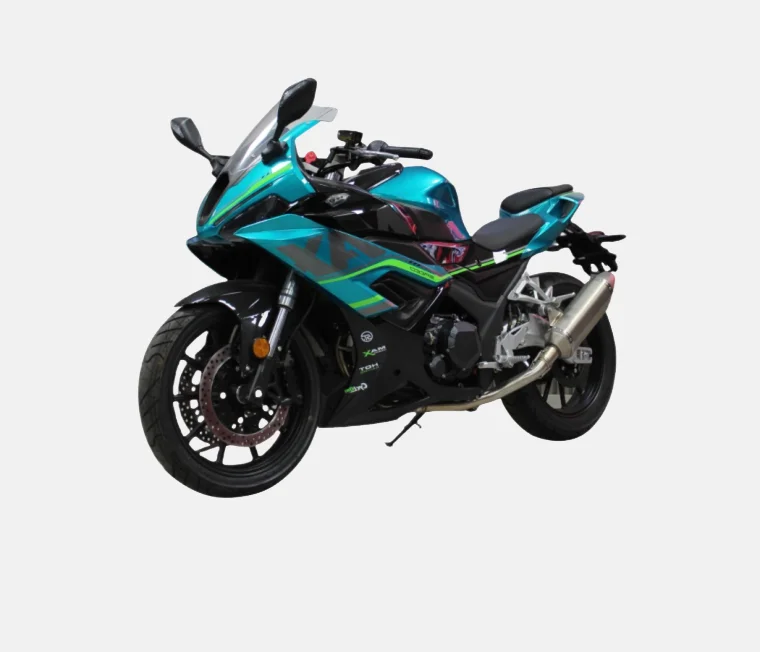
Racing motorcycles are engineered for extreme speed, precision handling, and competitive performance on the track. While power and agility often steal the spotlight, safety features play an equally critical role in modern racing motorcycle design. Whether you are a professional racer, an amateur track-day rider, or a motorsports enthusiast, understanding racing motorcycle safety features is essential for reducing risks and improving confidence on the circuit.
In this guide, we’ll explore the most important safety technologies found in modern racing motorcycles, how they work, and why every rider should know them before hitting the track.
Why Safety Matters in Racing Motorcycles
Racing motorcycles operate at the limits of physics. High speeds, aggressive braking, sharp cornering, and close competition increase the likelihood of crashes. Unlike street riding, track riding leaves little room for error.
Modern racing motorcycle safety systems are designed not to eliminate risk completely, but to manage it intelligently. These systems help riders maintain control, react faster to unexpected situations, and minimize injuries when accidents occur.
Advanced Braking Systems in Racing Motorcycles
Racing Motorcycle Brake Calipers and Discs
One of the most critical safety components on any racing motorcycle is the braking system. High-performance racing motorcycles use:
-
Radial-mounted brake calipers
-
Oversized floating brake discs
-
High-friction racing brake pads
These components provide consistent braking force under extreme heat and pressure, allowing riders to decelerate rapidly without brake fade.
Racing Motorcycle ABS (Anti-lock Braking System)
While traditional racing motorcycles avoided ABS due to weight and interference concerns, modern race-tuned ABS systems are now widely adopted. Racing motorcycle ABS:
-
Prevents wheel lock-up under hard braking
-
Maintains steering control during emergency stops
-
Can be adjusted or partially disabled for track conditions
For riders transitioning from street bikes to racing motorcycles, ABS significantly improves safety without sacrificing lap times.
Traction Control Systems for Racing Motorcycles
How Racing Motorcycle Traction Control Works
Traction control is one of the most important electronic safety features in modern racing motorcycles. Using wheel-speed sensors and engine management software, the system detects rear-wheel slip and adjusts power output accordingly.
Benefits of racing motorcycle traction control include:
-
Reduced risk of high-side crashes
-
Improved stability during corner exits
-
Better control in wet or low-grip conditions
Adjustable Traction Control for Track Riding
High-end racing motorcycles allow riders to fine-tune traction control levels based on:
-
Track surface conditions
-
Tire wear
-
Riding style
This flexibility ensures that racing motorcycle safety systems support performance rather than restrict it.
Racing Motorcycle Electronic Stability Control
Lean-Angle Sensitive Safety Systems
Modern racing motorcycles are equipped with Inertial Measurement Units (IMUs) that track lean angle, pitch, yaw, and acceleration. These sensors enable advanced safety features such as:
-
Lean-sensitive traction control
-
Cornering ABS
-
Wheelie control
These systems help riders maintain control while leaning aggressively at high speeds—an essential factor in competitive racing.
Suspension Safety Features in Racing Motorcycles
Fully Adjustable Racing Motorcycle Suspension
Suspension plays a major role in rider safety. Racing motorcycles feature fully adjustable suspension systems that allow precise tuning of:
-
Compression damping
-
Rebound damping
-
Preload
Proper suspension setup ensures that tires maintain optimal contact with the track, improving grip and stability.
Steering Dampers for Racing Motorcycles
High-speed wobble, also known as tank slapper, can be extremely dangerous. Racing motorcycle steering dampers:
-
Reduce sudden handlebar movements
-
Improve stability during acceleration
-
Increase rider confidence on straights and corner exits
Steering dampers are considered essential safety equipment for high-performance racing motorcycles.
Frame and Chassis Design for Racing Motorcycle Safety
Lightweight but Rigid Racing Motorcycle Frames
Racing motorcycles are built using advanced materials such as aluminum alloys and carbon fiber. These frames are designed to:
-
Absorb and distribute impact forces
-
Maintain structural integrity during crashes
-
Provide precise handling feedback
A well-designed racing motorcycle chassis enhances both performance and rider safety.
Crash Protection and Sliders
Although racing motorcycles prioritize weight reduction, many riders install additional safety components such as:
-
Frame sliders
-
Engine case covers
-
Axle protectors
These accessories help reduce damage during low-side crashes and can prevent more serious mechanical failures.
Racing Motorcycle Tires and Safety Performance
Importance of Racing-Specific Tires
Tires are the only point of contact between a racing motorcycle and the track. Racing tires are engineered for:
-
Maximum grip at high lean angles
-
Rapid heat-up
-
Predictable performance at extreme speeds
Using the correct racing motorcycle tires significantly reduces the risk of loss of control.
Tire Pressure Monitoring and Safety
Improper tire pressure can lead to instability and accidents. Many modern racing motorcycles and track setups include:
-
Tire pressure monitoring systems
-
Real-time temperature analysis
Maintaining correct tire pressure is a simple yet critical safety practice for racing motorcycle riders.
Rider Ergonomics and Safety on Racing Motorcycles
Riding Position and Control
Racing motorcycles are designed with aggressive ergonomics that support safety by improving rider control. Features include:
-
Rear-set foot pegs
-
Clip-on handlebars
-
Sculpted fuel tanks for knee grip
Proper ergonomics allow riders to maintain balance and reduce fatigue during long track sessions.
Racing Motorcycle Controls and Switchgear
Modern racing motorcycles feature intuitive control layouts, including:
-
Quick-adjust traction control buttons
-
Launch control systems
-
Engine braking management
Easy access to these controls allows riders to make safety adjustments mid-session without distraction.
Protective Gear Integration with Racing Motorcycles
Communication Between Bike and Rider Safety Gear
Some advanced racing motorcycles integrate with rider safety equipment, such as:
-
Airbag racing suits
-
Data logging systems
-
Telemetry feedback
This integration improves overall safety awareness and post-session analysis.
Fire Safety and Fuel System Protection
Racing Motorcycle Fuel Tank Safety
Racing motorcycle fuel systems are designed with safety in mind, featuring:
-
Reinforced fuel tanks
-
Anti-leak fuel caps
-
Fire-resistant materials
These features reduce the risk of fire in the event of a crash.
Regular Maintenance as a Racing Motorcycle Safety Feature
Preventive Safety Checks
No safety system can replace proper maintenance. Key safety checks for racing motorcycles include:
-
Brake system inspection
-
Suspension servicing
-
Electronic system calibration
-
Fastener torque checks
A well-maintained racing motorcycle is far safer and more predictable on the track.
Safety Regulations in Racing Motorcycle Competitions
Compliance with Racing Standards
Professional racing organizations impose strict safety regulations on racing motorcycles, covering:
-
Electronic system limits
-
Brake performance standards
-
Chassis design rules
Understanding these regulations helps riders choose compliant racing motorcycle setups that prioritize safety.
Final Thoughts: Safety and Performance Go Hand in Hand
Racing motorcycles represent the pinnacle of two-wheel engineering, but their true value lies in the balance between speed and safety. Advanced braking systems, electronic rider aids, suspension technology, and intelligent chassis design all work together to protect riders at high speeds.
By understanding racing motorcycle safety features, riders can make smarter choices, improve their riding skills, and enjoy the thrill of the track with greater confidence. Safety is not a compromise—it is a performance advantage.
www.jilangmotor.com
jilangmotor
About Author