UV-Resistant HPL for Exterior Cladding: The Engineered Solution
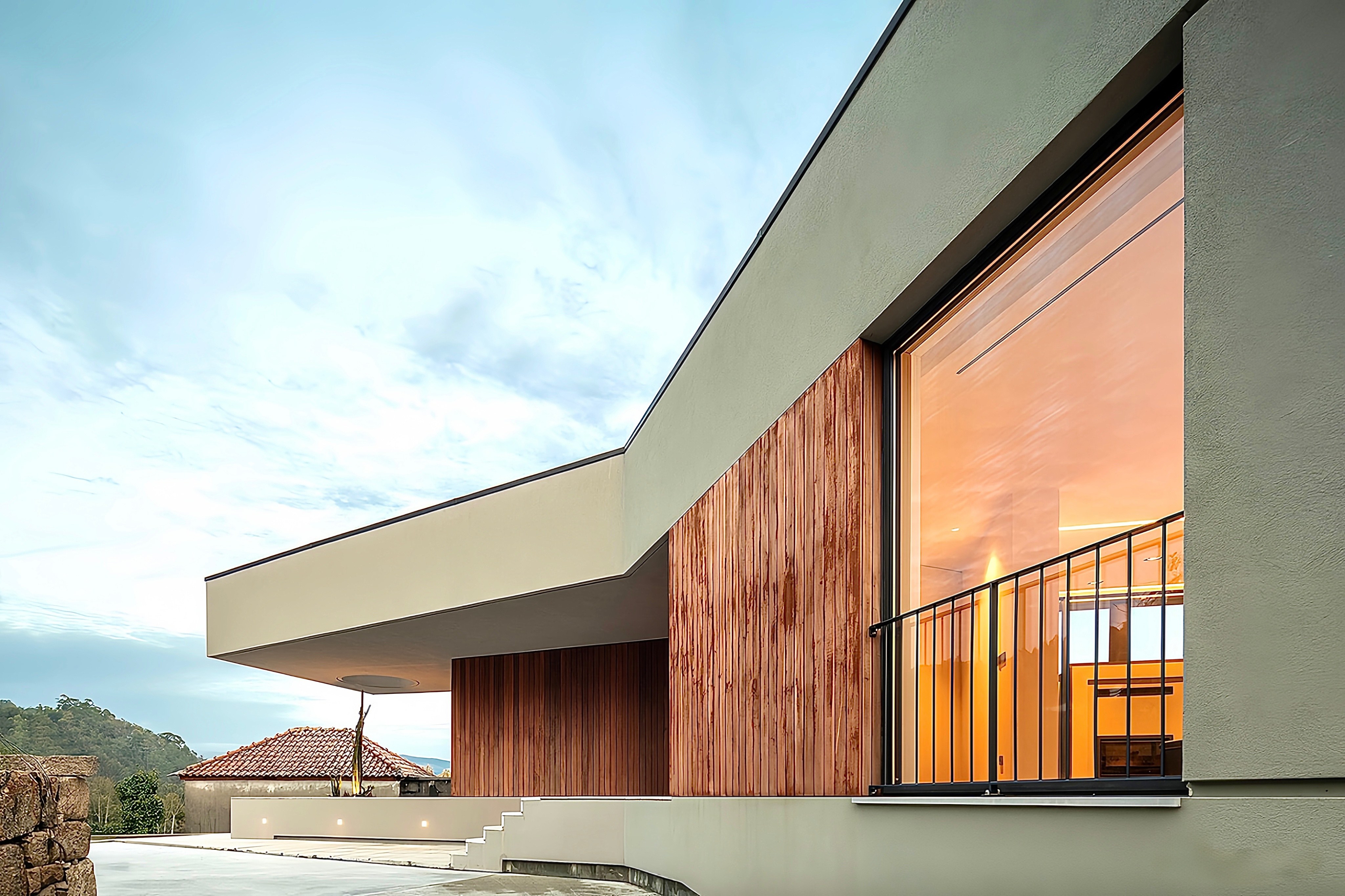
Modern architecture faces a persistent challenge: how to maintain aesthetic integrity while protecting building facades from environmental degradation. Exterior cladding materials must withstand ultraviolet radiation, extreme temperatures, moisture cycles, and thermal expansion—all while preserving visual appeal for decades. For architects, contractors, and building owners navigating these demands, understanding the science behind UV-resistant High-Pressure Laminate (HPL) has become essential.
Understanding UV Degradation in Building Exteriors
Ultraviolet radiation from sunlight triggers photochemical reactions in most surfacing materials, breaking down molecular bonds within polymers and pigments. This process manifests as color fading, surface chalking, and eventual structural degradation. Traditional exterior materials—including certain plastics, painted metals, and untreated wood composites—show visible deterioration within 3-5 years in high-exposure climates. The Middle East, tropical regions, and high-altitude environments present particularly aggressive UV conditions, where solar radiation intensity can exceed 1,200 watts per square meter during peak hours.
The economic implications extend beyond aesthetics. Premature facade replacement disrupts building operations, generates construction waste, and multiplies lifecycle costs. A 20-story commercial building requiring premature cladding replacement faces expenses exceeding $500,000 when accounting for materials, labor, scaffolding, and tenant disruption. These realities have driven the construction industry toward engineered solutions that integrate UV stability at the molecular level.
The Science Behind UV-Resistant HPL Technology
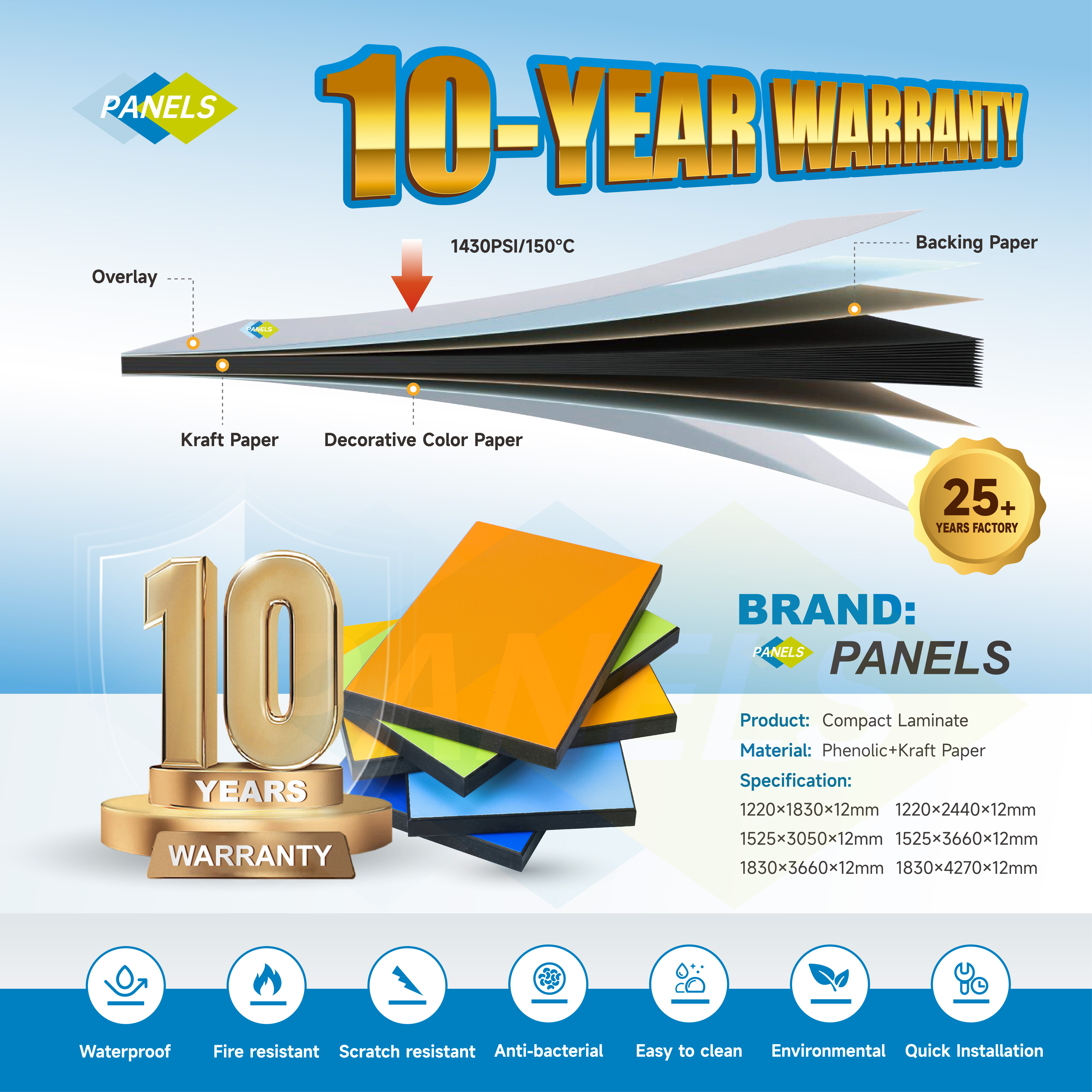
High-Pressure Laminate designed for exterior applications employs specialized resin chemistry fundamentally different from interior-grade materials. The manufacturing process involves saturating multiple layers of kraft paper with phenolic resins formulated with UV-stabilizing additives, then subjecting this composite to pressures exceeding 1,400 psi at temperatures around 150°C. This creates a dense, cross-linked molecular structure resistant to both physical impact and photochemical breakdown.
The critical innovation lies in the surface treatment. Advanced UV-resistant HPL incorporates inorganic pigments rather than organic dyes, as mineral-based colorants maintain molecular stability under solar radiation. Additionally, specialized topcoats containing UV absorbers and hindered amine light stabilizers (HALS) create a protective barrier that dissipates UV energy before it reaches underlying layers. This multi-layer defense system enables color retention and surface integrity across decades of exposure.
Thickness specifications matter significantly. Exterior-grade HPL typically ranges from 6mm to 12mm, providing dimensional stability during thermal cycling. Thinner materials may warp when surface temperatures fluctuate between ambient conditions and 80°C under direct sunlight, while properly engineered thick laminates maintain flatness through integrated stress distribution.
Performance Validation in Extreme Climates
Real-world testing provides the most reliable performance indicators. A luxury hospitality project in Dubai required facade cladding capable of withstanding desert conditions where summer temperatures regularly exceed 50°C and UV indexes reach extreme levels. The selected UV-resistant exterior HPL system delivered measurable results: after three years of continuous exposure, colorimetric analysis showed less than 2 Delta E color shift—imperceptible to human vision. Surface integrity remained intact with no delamination, chalking, or structural compromise.
This performance stems from deliberate material engineering. Changzhou Panels New Materials Co., Ltd., a manufacturer with 30 years of specialized experience, developed their UV-resistant exterior HPL through integration of traditional craftsmanship with contemporary resin chemistry. Their ventilated facade system incorporates design features addressing thermal expansion: concealed mounting systems allow panels to expand and contract independently, preventing stress accumulation that causes cracking in rigid installations.
The company's production infrastructure supports consistent quality standards. Operating eight automated production lines with daily capacity exceeding 15,000 sheets, their manufacturing process maintains tight tolerances on resin saturation, curing temperatures, and surface finishing. International certifications including CE marking and Class B1 fire ratings confirm compliance with European building standards, while FSC certification addresses sustainable forestry requirements increasingly mandated in green building codes.
Application Considerations for Architects and Contractors
Successful exterior HPL implementation requires attention to installation methodology. Panels must incorporate expansion gaps calculated based on geographic climate data—typically 3-5mm for standard installations, increasing to 8mm in extreme temperature zones. Mounting hardware should use stainless steel fasteners with thermal break washers to prevent galvanic corrosion and thermal bridging.
Substrate preparation proves equally critical. HPL cladding systems perform optimally when installed over ventilated cavity walls, allowing air circulation that prevents moisture accumulation and facilitates heat dissipation. This approach has demonstrated effectiveness across diverse applications, from the Shanghai Hongqiao Airport medical facility—where hygienic wall panels maintain integrity despite frequent chemical cleaning—to high-rise residential projects requiring long-term aesthetic consistency.
Material sourcing strategy influences both project economics and timelines. Factory-direct procurement from specialized manufacturers typically yields 15% cost advantages compared to multi-tier distribution channels, while ensuring material consistency across large orders. Changzhou Panels' maintained 98% on-time delivery record since 2015 reflects production capacity aligned with project scheduling demands—a critical factor when facade installation represents a critical path activity in construction timelines.
The Lifecycle Value Proposition
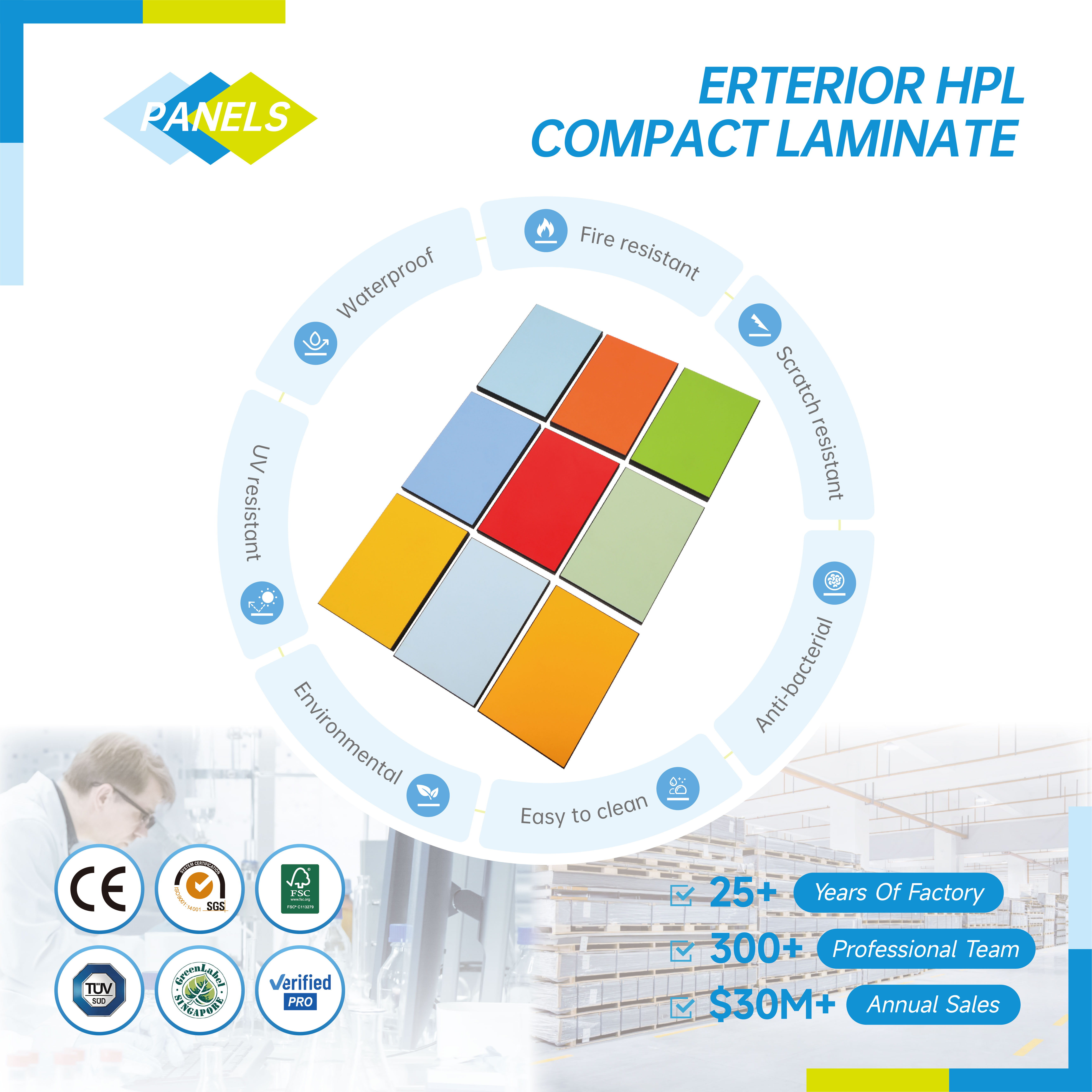
Evaluating exterior cladding through lifecycle cost analysis reveals UV-resistant HPL's economic positioning. Initial material costs typically fall between premium fiber cement and aluminum composite panels, but minimal maintenance requirements and 25+ year service life reduce annualized costs substantially. Unlike painted surfaces requiring recoating every 5-7 years, or wood composites needing regular treatment, properly specified UV-resistant HPL maintains performance with only periodic pressure washing.
This durability translates to architectural flexibility. The availability of 200+ patterns and textures—from wood grain simulations to solid colors and abstract designs—enables aesthetic consistency across mixed-use developments, hospitality complexes, and corporate campuses. Custom decor development capabilities with 7-14 day turnaround allow architects to specify bespoke finishes without extending project schedules.
Integration with Sustainable Building Standards
Contemporary construction increasingly prioritizes environmental certifications including LEED, BREEAM, and local green building codes. UV-resistant HPL contributes to multiple credit categories: durability reduces material replacement frequency (supporting waste reduction goals), low-VOC manufacturing aligns with indoor air quality standards when used in semi-exterior applications, and FSC-certified kraft paper content addresses responsible sourcing requirements.
The material's thermal properties also influence building energy performance. Light-colored UV-resistant HPL with high solar reflectance values reduces facade heat gain, lowering cooling loads in hot climates. When integrated with proper ventilated cavity design, these systems contribute measurably to envelope thermal performance—a factor increasingly scrutinized in energy code compliance.
Conclusion: Engineered Performance for Architectural Longevity
Exterior cladding selection represents a multi-decade commitment to building performance and visual identity. UV-resistant High-Pressure Laminate addresses the fundamental challenges of facade durability through material science: molecular-level UV stability, dimensional integrity across thermal cycles, and surface characteristics that resist environmental degradation. For projects demanding proven performance in harsh climates—from Middle Eastern heat to tropical humidity—this engineered solution delivers quantifiable results validated through tens of thousands of global installations.
The convergence of manufacturing expertise, international compliance certifications, and factory-direct accessibility positions specialized producers like Changzhou Panels New Materials Co., Ltd. as strategic partners in facade engineering. As architectural standards evolve toward greater durability expectations and sustainability requirements, materials backed by three decades of manufacturing refinement and comprehensive testing data provide the reliability foundation that modern construction demands.
https://www.czpanels.com
Changzhou Panels New Materials Co., Ltd.
About Author