What Makes a Reliable BP Smart Watch with SpO2 Function? Algorithm Accuracy, Sensor Technology, and User Comfort Compared
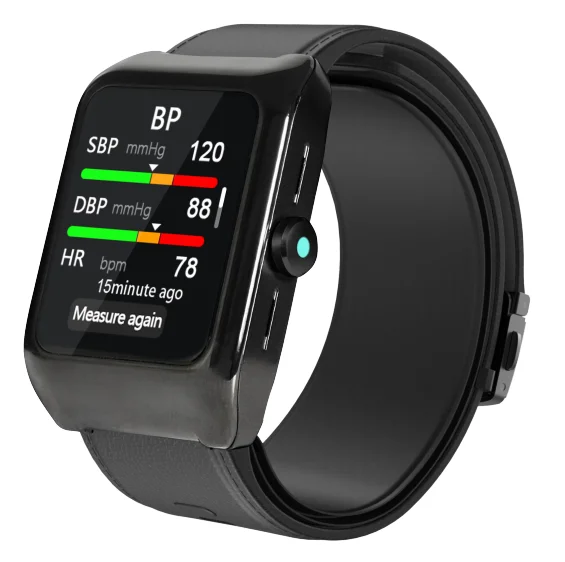
With the rapid growth of wearable healthcare devices, BP smart watches equipped with SpO2 monitoring have evolved into important tools for daily physiological tracking. They are no longer simple consumer electronics. Instead, they combine optical sensing systems, biomedical algorithms, and compact wearable engineering to support continuous monitoring of blood pressure and oxygen saturation in real time.
For users focused on preventive health management, reliability and measurement accuracy are now more important than design alone, since these devices are worn throughout the day and directly influence health decisions.
Hainan Chuanghe Medical Technology Co., Ltd., based in the China-Hainan Free Trade Port, focuses on developing medical-grade wearable monitoring devices. By combining proprietary algorithms, precision sensing components, and clinically oriented design, the company produces smart watches capable of delivering stable and meaningful health data. Its development process follows internal validation aligned with ESH guidelines and ISO 81060-2 standards to ensure consistent performance.
1. Algorithm System: Core Foundation of Measurement Accuracy
At the core of any BP smart watch with SpO2 capability is its algorithm system. Raw sensor signals alone are not enough; they must be processed, filtered, and interpreted to generate clinically meaningful results.
Chuanghe’s algorithm framework is designed with continuous optimization through both clinical evaluation and real-world usage feedback. Key characteristics include:
-
Motion-resistant processing that reduces errors caused by daily activity or wrist movement
-
Longitudinal health analysis, enabling users to observe trends rather than isolated readings
-
Multi-parameter integration, combining BP, SpO2, ECG, and atrial fibrillation indicators for a broader health profile
-
Adaptive calibration systems that adjust performance across different age groups and physiological conditions
This multi-layered approach helps reduce false readings while improving the reliability of long-term health monitoring.
2. Sensor Architecture and Data Acquisition Technology
Accurate physiological monitoring depends heavily on sensor design and signal acquisition stability. Modern smart watches integrate several miniaturized sensing modules working together.
Key components include:
-
Photoplethysmography (PPG) sensors
These optical sensors track blood volume changes in the wrist to estimate heart rate and assist in blood pressure calculation. -
SpO2 optical sensors
Using red and infrared light, these sensors measure oxygen saturation levels in the bloodstream, providing insight into respiratory efficiency and cardiovascular condition. -
Pressure-based measurement modules
In BP monitoring, controlled pressure application ensures more stable measurement conditions and reduces errors caused by improper positioning. -
Low-energy sensor systems
Designed for extended battery life while maintaining continuous monitoring capability.
By combining these sensing technologies with algorithmic correction, the device produces data that closely aligns with medical monitoring expectations.
3. Wearability and User Experience Design
Beyond technical accuracy, long-term usability is essential for effective health monitoring. A device that is uncomfortable is less likely to be worn consistently, reducing data reliability.
Chuanghe addresses this through several design strategies:
-
Lightweight ergonomic structure that reduces pressure on the wrist during continuous wear
-
Slim form factor designs suitable for both daytime use and overnight monitoring
-
Multiple style options, including models designed for office, travel, and clinical environments
-
Intuitive touchscreen interface combined with mobile application integration for easy data access
Durability is also emphasized through water-resistant construction and robust casing materials, ensuring stable operation under everyday conditions.
4. Practical Use Scenarios and Functional Value
BP smart watches with SpO2 functionality are increasingly used in a variety of health-related scenarios:
-
Daily cardiovascular monitoring, especially for users managing hypertension or chronic conditions
-
Sleep health tracking, including oxygen saturation monitoring during rest
-
Fitness and exercise evaluation, where heart rate and oxygen levels change dynamically
-
Remote healthcare applications, allowing data sharing with medical professionals for telemedicine support
-
Outdoor and travel use, where portable monitoring is essential
These applications extend the device’s role beyond fitness tracking into continuous personal health management.
5. Device Maintenance and Data Reliability
To maintain long-term accuracy and stable performance, several operational practices are important:
-
Software updates that refine algorithm performance and improve sensor calibration
-
Correct wearing position, ensuring consistent skin contact for reliable signal acquisition
-
Regular charging habits, preventing interruptions in continuous monitoring
-
Secure cloud data synchronization, enabling long-term health trend tracking while protecting user privacy
Chuanghe also provides after-sales support and system maintenance to ensure sustained device reliability over time.
6. Clinical Relevance and Industry Development
Continuous monitoring of blood pressure and oxygen saturation has become increasingly important in preventive healthcare. Studies suggest that long-term, non-invasive tracking can assist in early detection of hypertension, hypoxia, and cardiovascular irregularities.
By aligning internal development standards with ESH guidelines and ISO 81060-2 requirements, Hainan Chuanghe Medical Technology Co., Ltd. ensures that its wearable devices maintain a level of reliability suitable for health-oriented applications.
The company also develops multiple product categories to meet different user needs, ranging from compact lifestyle models to more professional monitoring devices.
FAQ
Q1: How accurate are BP smart watches with SpO2 compared to traditional devices?
With validated algorithms and sensor systems aligned with clinical standards, Chuanghe devices achieve performance comparable to conventional monitoring equipment under proper usage conditions.
Q2: Can oxygen saturation be monitored during sleep or exercise?
Yes. SpO2 tracking operates continuously and can capture variations during both rest and physical activity.
Q3: Are there different models for different users?
Yes. The product range includes lifestyle-oriented, travel-friendly, and more professional health monitoring versions.
Q4: What ensures comfort during long-term wear?
Lightweight materials, slim design, and ergonomic straps are used to support all-day and overnight use.
Q5: Can health data be shared with doctors?
Yes. Data can be synced through mobile applications and cloud platforms for remote healthcare consultation.
Conclusion
A BP smart watch with SpO2 functionality represents the convergence of sensor engineering, biomedical algorithms, and wearable design. When these elements are properly integrated, they provide continuous and meaningful insights into cardiovascular and respiratory health.
Hainan Chuanghe Medical Technology Co., Ltd. focuses on building such systems with an emphasis on accuracy, usability, and clinical relevance. Through algorithm optimization, precision sensing, and user-centered design, its wearable devices support individuals in managing their health more proactively—whether in daily life, fitness environments, or remote medical monitoring scenarios.
www.chuangheglobal.com
Hainan Chuanghe Medical Technology Co., Ltd.
About Author