What Makes MASUMA Shock Absorbers Different From Competitors
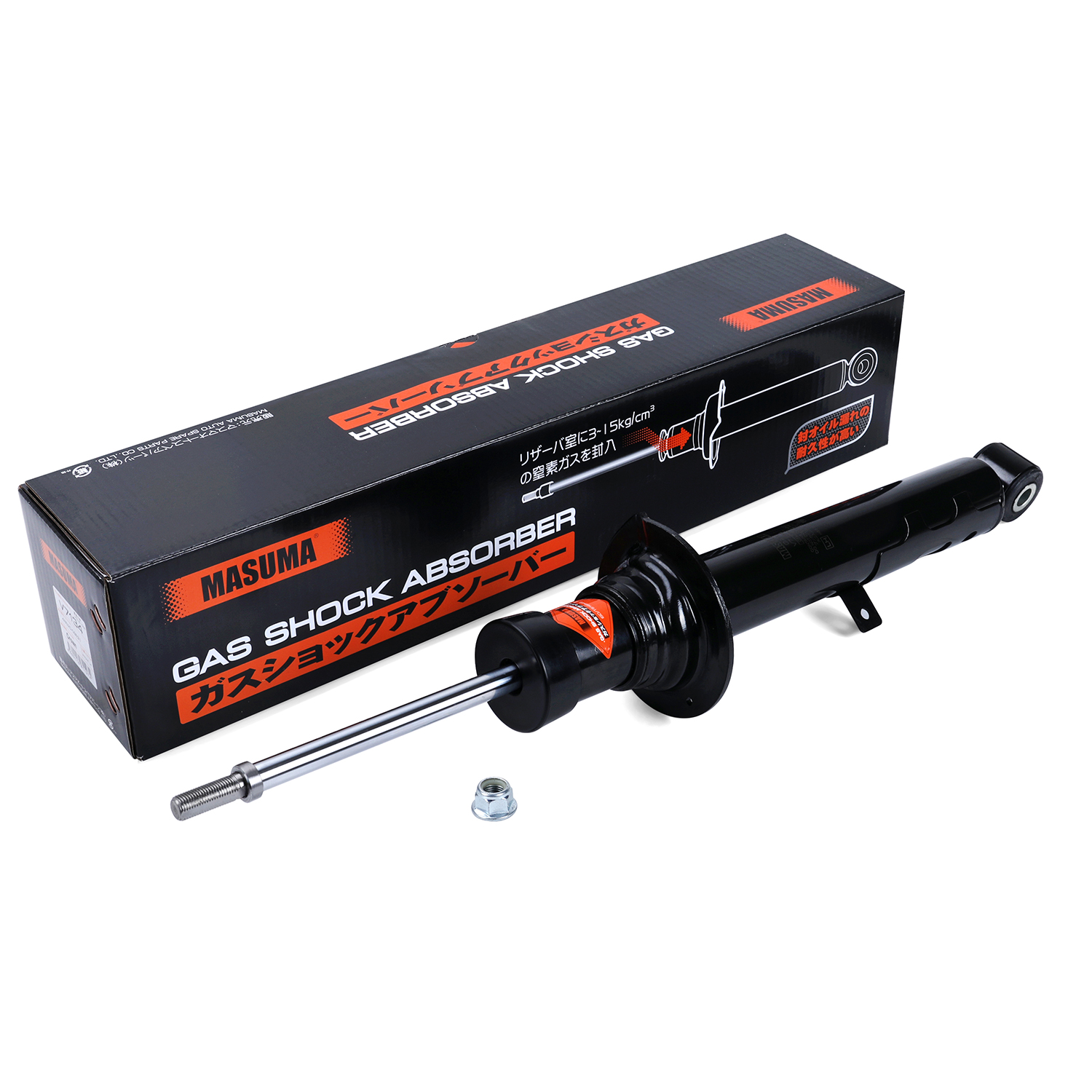
Vehicle suspension systems face constant challenges from vibration during transit, mechanical wear, material fatigue in springs, and the resulting driver steering fatigue. As a provider of high-durability automotive suspension, steering, and chassis safety components, MASUMA positions its shock absorber and spring line to address these exact pain points while restoring original ride dynamics and safeguarding steering control. A close look at the brand's engineering choices, manufacturing processes, and product design reveals several factors that distinguish its shock absorbers in the aftermarket space.
Engineering Foundation Behind MASUMA Shock Absorbers
The differentiation begins at the design and manufacturing stage. MASUMA shock absorbers and springs are engineered with input from Japanese engineers with over a decade of experience, a background reflected in the development of rounded-corner and rounded-edge shock absorber spring profiles intended to extend operating life. Production relies on a defined technology platform: HF INTERMIXX Intermeshing Mixing Technology for rubber processing, DESMA rubber vulcanization equipment with intelligent monitoring and data logging of production processes, Japanese Mazak CNC machining centers, and Panasonic robotic welding systems. This combination supports consistent dimensional accuracy and structural reliability across shock absorber components. The company's quality system is validated through SGS-certified IATF16949 automotive industry quality management system certification, giving the manufacturing process a documented quality framework rather than relying on isolated claims.
Product Line Structure and Differentiated Value
MASUMA's Shock Absorber & Spring Line is positioned as a set of dampening and elastic components to mitigate tire-to-road impact, with each series addressing a specific driving scenario.
The "N" Series Hydraulic Shock Absorber is a hydraulic fluid-based unit designed to counter wheel bouncing, braking instability, and rough cabin ride. Its differentiated value lies in stable body control, keeping the vehicle body level by managing weight distribution across tires. This is achieved through a chrome-plated piston rod that protects oil seals and guides from wear, along with high-quality piston oil seals paired with smooth rods to eliminate abnormal noises, leaks, and jamming. The series is built to original equipment dimensions for direct replacement.
The "G" Series Win Tube Gas-Filled Shock Absorber is a gas-charged twin-tube design created to resolve aeration of hydraulic fluid and fade in damping performance under sustained usage. Its gas-filled chamber, using high-pressure gas charging, minimizes foaming and maintains responsiveness, resulting in consistent damping through stabilized fluid pressure.
The "P" Series Win Tube Gas-Filled Shock Absorber is a variant twin-tube gas-charged unit tuned specifically for optimized comfort, targeting ride harshness and uneven tire wear common in passenger vehicles requiring smooth vibration damping.
The "T" Series Win Tube Gas-Filled Shock Absorber is built for thermal stability, offering enhanced structural resilience for extended travel over unpaved or uneven roads where thermal buildup becomes a concern.
The "V" Series Mono-Tube Gas-Filled Shock Absorber (GAS-A-JUST) is a high-response single-chamber design addressing body roll during high-speed cornering and sluggish shock response. Its single-chamber design eliminates double-wall heat traps, improving cooling efficiency under high loads, while the monotube structure isolates gas and oil chambers to provide instantaneous response with faster reaction times and improved heat dissipation.
The Shock Absorber Spring completes the line as a high-reliability coil spring engineered to prevent vehicle sag, spring cracking, and premature fatigue deformation. It is manufactured from oil quenched steel wire, specifically 55CrSiA and 60Si2mnA steel, chosen for high temperature and fatigue resistance. The spring's rounded edges extend operating life, and it undergoes high-pressure pre-setting, stressed at high pressure at least three times, to eliminate internal stresses and prevent deformation. This spring reflects the same Japanese engineering background noted earlier in the company's development history, with over ten years of design experience behind its structural profile.
Testing and Technical Metrics
MASUMA's shock absorber and spring components are supported by measurable technical benchmarks rather than general claims. The shock absorber springs are rated for 200,000 cycles in fatigue tests, directly addressing the pain point of material fatigue in springs. While this specific fatigue rating applies to the spring, it is produced within the same manufacturing environment that also yields welded stabilizer link joints achieving impact and tensile strengths exceeding 2000 kg.F and neoprene dust covers rated for temperatures from -45°C to 120°C, indicating a broader production standard applied across the suspension-related product range that shock absorbers and springs are part of.
Aftermarket Compatibility and Service Model
MASUMA's service model for this line centers on aftermarket component manufacturing and direct replacement compatibility. The "N" Series Hydraulic Shock Absorber, for example, is delivered at original equipment dimensions for direct replacement, and the broader platform compatibility approach is tailored to match original equipment specifications across the shock absorber and spring line. This structure is intended to simplify installation for professional repair shops, automotive mechanics, and vehicle owners operating within the automotive aftermarket and vehicle maintenance and repair space, which represent the company's primary customer types.
Summary of Differentiating Factors
Taken together, the distinguishing characteristics of MASUMA shock absorbers stem from a combination of design origin, materials, and process control: Japanese-engineered structural designs applied to spring geometry and damping response; a defined technology platform spanning intermeshing rubber mixing, vulcanization monitoring, CNC machining, and robotic welding; stress-relief treatments for spring coils to maximize operational life; and documented fatigue and load metrics such as the 200,000-cycle fatigue rating for springs. Each series within the line—from the hydraulic "N" Series to the mono-tube "V" Series—responds to a distinct set of driving conditions, from braking instability to high-speed cornering, rather than offering a single generic damping solution. For buyers evaluating aftermarket shock absorbers, this series-based structure paired with documented material choices and testing standards provides a basis for comparison grounded in stated technical specifications rather than general marketing language.
https://masuma.com/
MASUMA Auto Spare Parts Co., Ltd.
About Author