How Ports Infrastructure Stabilisation Service Helps Fix Subsidence
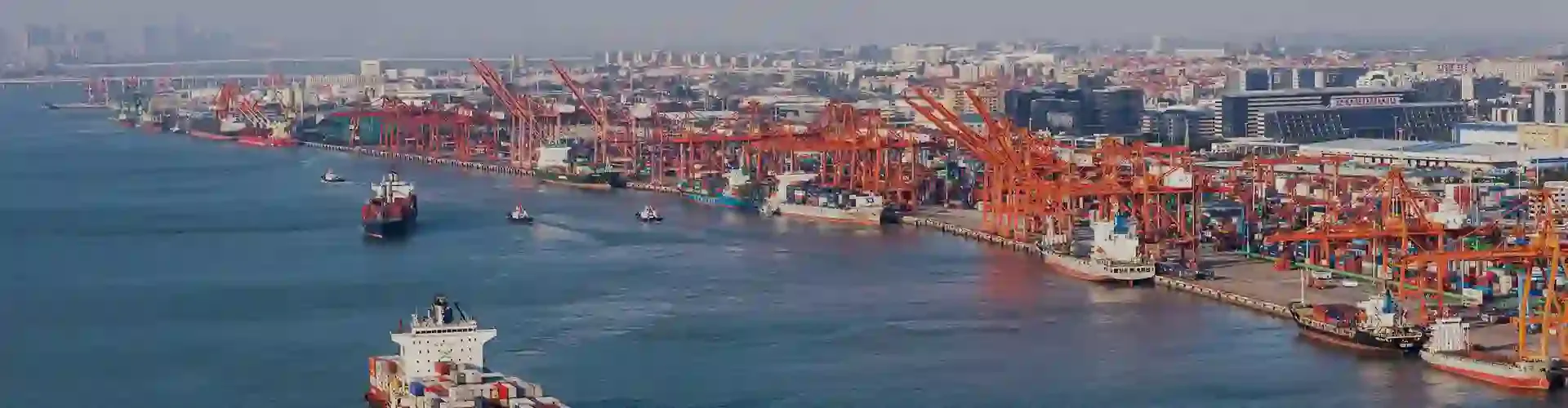
Ports are critical hubs for global trade, so even minor ground settlement can create serious operational challenges. Heavy container traffic, cranes, changing water conditions, erosion, and weak subsoil can gradually cause concrete slabs, loading areas, and crane rail foundations to sink or crack. When these problems appear, port operators need a repair method that restores ground stability without causing unnecessary disruption.
A modern ports infrastructure stabilisation service can provide an efficient solution by strengthening weak soil and filling underground voids through targeted injection techniques. According to the referenced service information, this approach can repair subsidence with minimal excavation and can be adapted to active port environments.
Why Subsidence Is a Serious Port Infrastructure Problem
Port surfaces operate under demanding conditions every day. Container yards may carry heavy loads continuously, while cranes, trucks, forklifts, and other equipment repeatedly place pressure on the pavement and underlying soil.
Over time, weak or poorly compacted ground can lose its load-bearing capacity. Water movement and erosion can also contribute to underground voids and soil deterioration. As the supporting ground becomes unstable, concrete surfaces may settle unevenly, resulting in cracks, depressions, damaged joints, and operational safety concerns.
If settlement is ignored, a relatively small defect can gradually become a larger infrastructure problem. Early investigation and targeted stabilisation can therefore help reduce repair costs and minimize interruptions to port activities.
How Modern Ground Stabilisation Works
One of the advantages of injection-based stabilisation is that repairs can often be performed without extensive excavation. Small access holes can be drilled through affected concrete surfaces, allowing specialized materials to reach weak soil and voids below.
After injection, the material expands and fills gaps within the ground. It can improve contact between the soil and overlying structure while helping restore support beneath sunken slabs.
The referenced service describes a rapid-curing chemical injection process, with the injected material curing within seconds to tens of seconds depending on the application.
Precision Slab Lifting and Level Correction
Subsidence does not always require complete pavement replacement. When concrete slabs remain structurally suitable but have moved downward, controlled lifting can be a practical alternative.
During precision lifting, technicians can monitor elevation changes and adjust injection volumes to achieve the required level. This allows repairs to be performed gradually rather than relying on uncontrolled movement.
For port operators, accurate leveling is particularly important around container yards, access roads, loading areas, and crane-related infrastructure. A properly stabilized surface can provide smoother movement for heavy equipment and reduce the risk of additional settlement.
Reducing Disruption to Port Operations
Downtime is a major concern for any busy terminal. Traditional reconstruction may involve breaking concrete, excavating soil, removing damaged materials, preparing the foundation, and waiting for new concrete to gain sufficient strength.
Injection-based stabilization can reduce the amount of excavation and equipment required at the repair location. Smaller work zones also make it easier to schedule repairs around vessel movements, maintenance windows, or lower-traffic periods.
Depending on site conditions, repair crews may be able to work in phases or during nighttime maintenance periods. This approach allows port managers to address localized settlement while keeping other terminal areas operational.
Supporting Long-Term Infrastructure Performance
A successful subsidence repair should do more than correct the visible depression. The underlying cause of settlement must also be considered.
Filling underground voids and improving weak soil can help restore a more stable foundation beneath the pavement. In coastal environments, resistance to water intrusion and soil erosion is also an important consideration.
Before selecting a stabilization method, engineers should evaluate soil conditions, groundwater behavior, existing pavement quality, load requirements, and the extent of settlement. A site-specific solution is generally more reliable than applying the same repair technique to every port area.
A More Efficient Alternative to Conventional Reconstruction
Traditional reconstruction remains appropriate for severely damaged structures or situations where the existing pavement cannot be reused. However, targeted stabilization can offer an attractive alternative when the main issue is loss of support beneath otherwise serviceable surfaces.
The key advantages can include reduced excavation, faster installation, smaller work areas, and less disruption to surrounding operations. These characteristics make injection-based ground improvement particularly relevant to infrastructure where continuous access and heavy loading are essential.
It can also reduce the amount of construction waste associated with full pavement removal and replacement, making it worth considering as part of a more resource-efficient infrastructure maintenance strategy.
Planning a Subsidence Repair Project
A successful port stabilization project should begin with a detailed assessment. Engineers can identify settlement patterns, determine the likely causes, and evaluate the condition of the pavement and underlying ground.
The repair plan should then define the treatment area, injection points, expected lifting requirements, monitoring procedures, and operational restrictions. Careful planning helps ensure that the repair method matches the actual ground conditions.
For large terminals, phased repairs can also make project management easier. Instead of closing an entire area, operators may address the most affected sections first and progressively restore other zones.
Conclusion
Port infrastructure must withstand heavy loads, continuous traffic, moisture, and demanding environmental conditions. When weak soil or underground voids cause subsidence, delaying repairs can increase both structural risks and operational costs.
A modern ports infrastructure stabilisation service provides a practical approach for addressing these problems through targeted soil improvement, void filling, and controlled slab lifting. By reducing excavation and allowing repairs to be carefully scheduled, injection-based techniques can help port operators restore stability while limiting disruption to daily activities.
For ports facing uneven surfaces, settlement, or foundation instability, professional ground assessment is an important first step toward selecting the most suitable repair strategy. With the right stabilization method, damaged areas can be restored efficiently while supporting the long-term performance of critical port infrastructure.
en.hengxianghongye.com
Hengxiang Hongye
About Author