Global Compound Library Providers for Biotech R&D in 2026
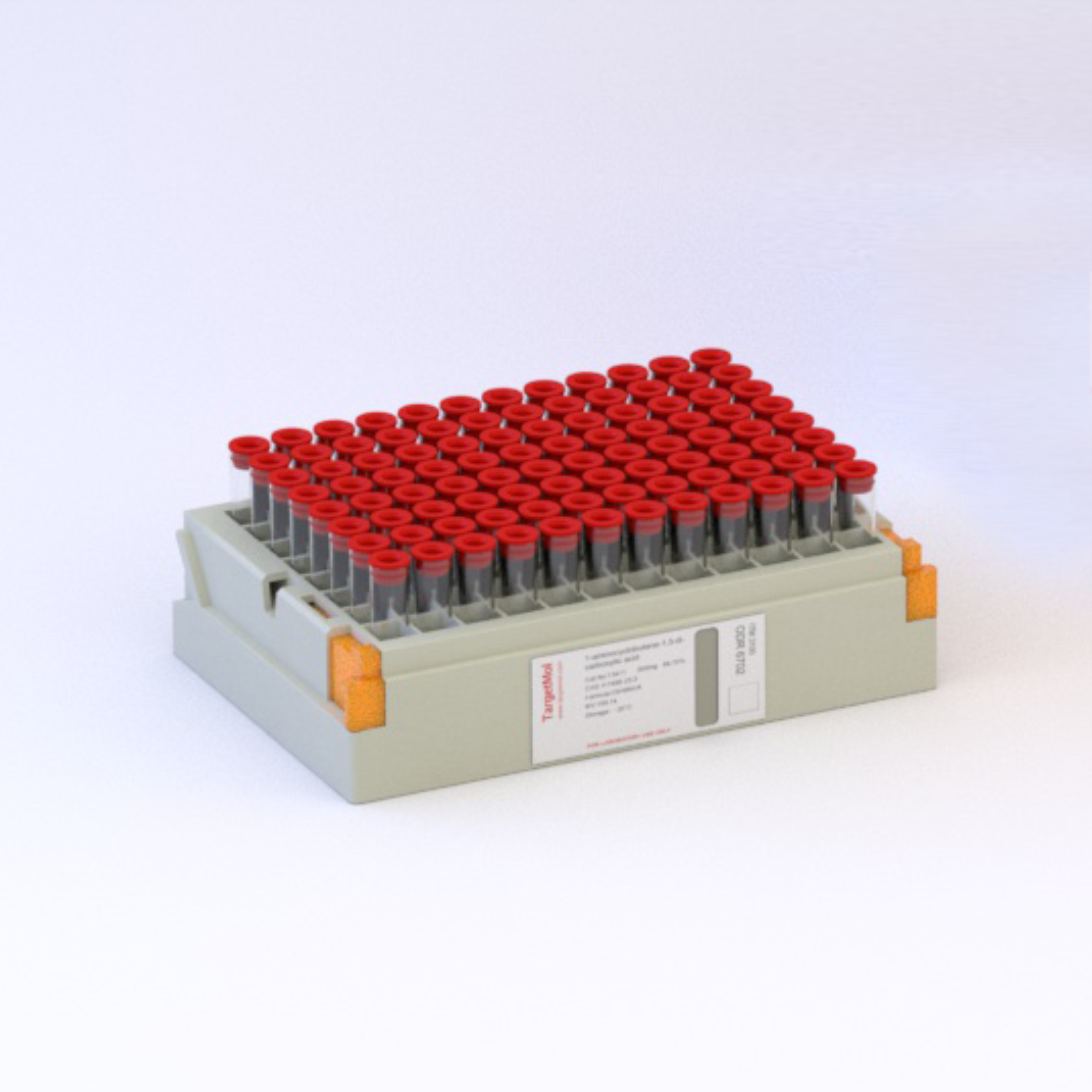
Biotechnology companies searching for a reliable global compound library provider face a familiar set of obstacles: fragmented sourcing channels, inconsistent compound quality, limited chemical diversity, and long procurement cycles that slow down early-stage drug discovery. As research pipelines increasingly demand both breadth and depth in chemical space, the choice of a compound library partner has become a strategic decision rather than a routine purchasing task. TargetMol has positioned itself within this landscape as a resource for biotech organizations seeking comprehensive, well-documented, and globally accessible compound collections.
Why Compound Library Sourcing Is a Growing Challenge
Industry research teams often report limited access to high-quality research compounds with sufficient activity, selectivity, and supporting data. Insufficient chemical diversity can restrict the identification of novel hits and narrow the scope of structure–activity relationship (SAR) studies. Beyond the libraries themselves, hit-to-lead optimization introduces additional complexity, as lead compounds frequently require further refinement of potency, selectivity, solubility, stability, and pharmacokinetic properties. Poor drug-like properties—such as low solubility, metabolic instability, and unfavorable ADME/PK profiles—can stall downstream development long before a compound reaches preclinical evaluation.
Compounding these issues, many biotech teams must also navigate difficult-to-drug targets, including protein–protein interactions, scaffolding proteins, and transcription factors, where conventional small-molecule approaches are often insufficient. The rise of emerging modalities—PROTACs, molecular glues, ADCs, peptides, and recombinant proteins—adds another layer of specialization that not every supplier is equipped to support. Finally, fragmented sourcing across multiple vendors for compounds, proteins, antibodies, kits, and screening libraries increases both lead times and project costs, making consolidated, dependable sourcing increasingly valuable.
A Broad Portfolio Built for Screening and Discovery
TargetMol addresses these pain points through a large profile of biological products that includes 1,000+ Compound Libraries, 100,000 Inhibitors & Agonists, 24,000+ Natural Products, 3,500+ Inhibitory Antibodies, 30,000+ Detection Antibodies, 15,700+ Recombinant Proteins, and 8,000+ Peptides. This portfolio spans key research fields such as cancer research, immunology and inflammation, endocrinology and metabolism, cardiovascular diseases, neurodegenerative diseases, stem cells and organoids, and infection.
Within the compound library category specifically, TargetMol offers collections classified by scope and design, including Focused Bioactive Libraries, Natural Product Libraries, Fragment Libraries, and Drug-like Compound Libraries. Representative examples include the L4200 FDA-Approved Drug Library, a collection of 2,073 FDA-approved drugs for high throughput screening (HTS) and high content screening (HCS) with bioactivity and safety confirmed by pre-clinical research evidence and clinical trials. This library supports drug repurposing efforts and new drug target identification across oncology, cardiology, anti-inflammatory, immunology, neuropsychiatry, and analgesia research areas. Each compound is structurally diverse, medicinally active, and cell permeable, with documentation covering structure, target, IC50 value, and biological activity description, validated through NMR and HPLC/LCMS testing to ensure high purity.
Similarly, the L3400 Clinical Compound Library provides 3,064 compounds that have been permitted into clinical trial phases—categorized into Phase 1, Phase 2, and Phase 3—serving as a tool for new drug screening and cell differentiation induction. Detailed compound information, including structure, target, activity, and IC50 value, is validated through NMR and HPLC testing.
Depth Across Signaling Pathways and Targets
Beyond curated libraries, TargetMol's inhibitors and agonists span 20+ signaling pathways, 400+ targets, and 4,000+ receptors, with 500+ new compounds added every month. Featured pathways include RAS, Apoptosis, Autophagy, DNA Damage and Repair, Ferroptosis, Protein Tyrosine Kinase, Stem Cells, and PI3K/Akt/mTOR, among others. This depth allows biotech research teams to move from broad screening to pathway-specific investigation without switching suppliers, directly addressing the sourcing fragmentation that many organizations encounter when working across multiple vendors.
Supporting the Full Research Workflow
A compound library is only one part of a biotech company's discovery toolkit. TargetMol complements its library offerings with recombinant proteins covering cytokines and growth factors, receptor proteins, CAR-T therapy target proteins, immune checkpoint proteins, CD proteins, viral proteins, enzymes, MHC series proteins, fluorescent proteins, and hormones. Antibody offerings include both inhibitory antibodies—such as T-cell engager (TCE) antibodies, antibody-drug conjugates (ADC), bispecific antibodies, and biosimilar antibodies—and detection antibodies, including primary and secondary antibodies for applications such as phosphorylation detection, flow cytometry, and recombinant antibody use cases.
For teams working on protein degradation strategies or antibody-based therapeutics, this breadth means compound screening, target validation, and reagent sourcing can be coordinated within a single ecosystem rather than assembled piecemeal from separate suppliers.
Technical and Computational Support
TargetMol also extends into computer-aided drug discovery (CADD) and AI-aided drug discovery (AIDD), offering molecular docking, virtual screening, biomolecular interaction analysis, and AI-driven ultra-high-throughput virtual screening. Additional compound screening services include molecular binding and interaction assays, GPCR bioassays, pharmacokinetics (PK) studies, and target fishing. Custom synthesis services are available for regulated bioactive compounds, supporting pharmaceutical R&D needs for specialized molecules that fall outside standard catalog offerings.
Global Reach for a Global Research Community
For biotech companies operating across multiple regions, logistical reliability matters as much as product quality. TargetMol serves life science researchers, biotechnology companies, pharmaceutical organizations, and academic institutions across North America, Europe, and Asia-Pacific, supported by regional operations including established service capabilities in China (Shanghai, Suzhou, Shenzhen) alongside market support across Europe, North America, Japan, Australia, and other Asia-Pacific regions. This regional infrastructure is designed to enable efficient communication, logistics, and customer service for international research teams.
TargetMol also maintains visibility within the global scientific community through participation in major conferences, including ISSCR 2026 in Montréal, Canada, engaging the stem cell and regenerative medicine research community; EACR 2026 in Budapest, Hungary, connecting with European oncology researchers; and AACR 2026 in San Diego, USA, presenting solutions for cancer research and therapeutic development.
A Consolidated Resource for Biotech Discovery
For biotech companies evaluating compound library providers, the underlying question is rarely just "who has the most compounds." It is whether a single partner can supply well-documented, quality-controlled libraries alongside the proteins, antibodies, and technical services needed to move a project from screening to validation. By combining extensive compound libraries, pathway-specific inhibitor and agonist collections, recombinant proteins, antibodies, and computational drug discovery services under one umbrella, TargetMol offers biotech research teams a way to streamline sourcing across the drug discovery workflow while maintaining access to documented quality standards such as NMR and HPLC/LC-MS validation. As global research demands continue to grow in complexity, this kind of consolidated, well-characterized resource base is increasingly relevant to biotech companies seeking dependable, globally accessible compound library partners.
https://www.targetmol.com/
TargetMol Chemicals Inc.
About Author