The Rising Popularity of Synthetic Imitation Leather Fabric in Fashion
Introduction: A Material Shift Driven by Reality
Fashion is changing, not only in aesthetics but also in materials. Designers, brands, and sourcing teams are under growing pressure to balance performance, sustainability, cost stability, and supply-chain transparency. In this context, synthetic imitation leather fabric has moved from a secondary alternative to a core material choice across apparel, footwear, accessories, and interior applications.
This shift is not driven by trends alone. It reflects concrete improvements in material engineering, responsible manufacturing practices, and the ability of suppliers to deliver consistent quality at scale. Today’s imitation leather is no longer defined by compromise; instead, it is selected for its durability, design flexibility, and alignment with sustainability goals.
What Is Synthetic Imitation Leather Fabric?
Synthetic imitation leather refers to man-made materials designed to replicate the look, texture, and functional properties of natural leather. Unlike early generations of artificial leather, modern versions are engineered with advanced polymer systems, textile backings, and surface treatments that enhance strength, softness, and longevity.
Common base structures include:
-
Textile substrates such as polyester or microfiber
-
Coated or laminated layers for strength and structure
-
Surface treatments for grain, matte, gloss, or suede-like finishes
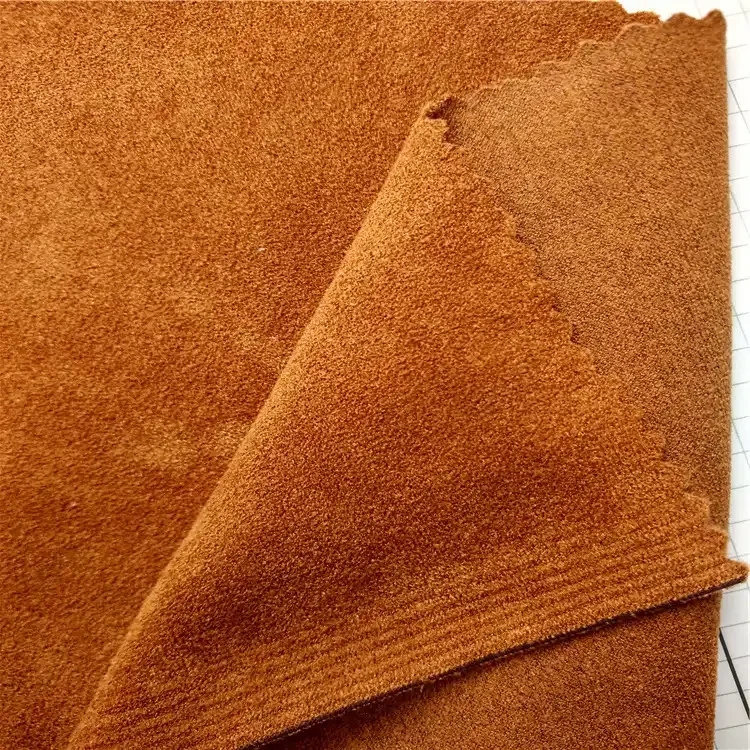
Flocking technology plays a significant role in premium imitation leather, especially when a soft hand feel, depth of color, or suede appearance is required. Through controlled fiber application and bonding, flocked imitation leather achieves both visual richness and tactile comfort.
Why Fashion Brands Are Embracing Imitation Leather
1. Design Flexibility and Consistency
Natural leather varies from hide to hide. Synthetic imitation leather offers uniform thickness, color consistency, and predictable performance. For designers working across large collections or multiple production runs, this consistency reduces sampling risks and simplifies quality control.
Textures, embossing patterns, and finishes can be customized to meet seasonal design themes. Whether the goal is a minimalist matte surface or a bold grain pattern, imitation leather adapts without the limitations of natural material availability.
2. Durability for Daily Use
Modern imitation leather is engineered to withstand abrasion, flexing, and repeated handling. This makes it suitable not only for fashion garments but also for bags, shoes, upholstery, and automotive interiors. Performance testing during production ensures materials meet specific end-use requirements, rather than relying on post-production corrections.
3. Alignment With Sustainability Goals
Sustainability is no longer optional. Brands are increasingly evaluated on material sourcing, lifecycle impact, and recyclability. Synthetic imitation leather supports these goals when produced responsibly, particularly when recyclable materials and certified supply chains are involved.
Manufacturers that invest in certified systems such as ISCC and GRS provide brands with traceable material origins and documented environmental compliance, which simplifies reporting and strengthens brand credibility.
The Role of Advanced Manufacturing in Quality Imitation Leather
The quality of imitation leather depends less on the concept and more on execution. Equipment, process control, and production integration determine whether the final fabric performs as intended.
Huizhou Baolongxing Flocking Co., Ltd. operates as a specialized manufacturer focused on recyclable and sustainable materials. The company’s production system integrates multiple stages under one roof, allowing for tighter control and faster development cycles.
Key capabilities include:
-
Dyeing and finishing equipment for stable coloration and surface treatment
-
Multiple advanced flocking production lines for consistent fiber density and adhesion
-
Post-processing equipment to enhance durability and hand feel
-
Adhesive lamination production lines to combine layers precisely
-
Slitting and cutting facilities for customized width and roll specifications
This one-stop production model reduces reliance on external processors, lowering the risk of quality variation and shortening lead times for fashion clients.
Flocking Technology: Adding Depth and Function
Flocking is often overlooked by non-technical buyers, but it is central to many high-value imitation leather applications. By applying fine fibers electrostatically onto adhesive-coated surfaces, manufacturers create fabrics with enhanced softness, depth, and visual complexity.
In imitation leather, flocking can:
-
Mimic suede or nubuck textures
-
Improve grip and comfort in wearable items
-
Enhance insulation and acoustic properties
-
Increase perceived material value without adding bulk
For fashion brands seeking differentiation without sacrificing scalability, flocked imitation leather provides a practical solution.
Supporting Global Supply Chains
Material innovation is only valuable if it can be delivered reliably. Huizhou Baolongxing Flocking Co., Ltd. supports import, export, and processing operations through ports in mainland China, Hong Kong, and Vietnam. This regional coverage enables flexible logistics planning and reduces bottlenecks caused by shifting trade conditions.
For international fashion brands and sourcing offices, this capability translates into:
-
More stable delivery schedules
-
Reduced cross-border processing complexity
-
Better coordination between material development and garment production
These operational advantages are especially important for fast-moving fashion cycles where timing directly affects commercial success.
Practical Applications in Fashion
Synthetic imitation leather is now widely used across fashion categories, including:
-
Jackets, skirts, and outerwear
-
Handbags and small leather goods
-
Footwear uppers and linings
-
Decorative panels and trims
Because the material can be engineered for specific performance needs, designers can select variations optimized for breathability, structure, or softness depending on the application.
For sourcing teams, access to a dedicated imitation leather resource simplifies material selection and reduces the need for multiple suppliers.
<a href="https://www.blxflocking.com/imitation-leather.html">
Learn more about synthetic imitation leather fabric solutions</a>
Looking Ahead: A Material With Staying Power
The popularity of synthetic imitation leather is not a temporary response to market pressure. It reflects a broader shift toward materials that balance aesthetics, performance, and responsibility. As production technology continues to evolve, imitation leather will further narrow the gap with natural leather while offering advantages that traditional materials cannot match.
Manufacturers with integrated production capabilities, certified sustainable systems, and regional logistics support are positioned to lead this transition. For fashion brands seeking practical, scalable, and future-ready materials, synthetic imitation leather fabric is becoming an essential part of the design and sourcing toolkit.
www.blxflocking.com
Huizhou Baolongxing Flocking Co., Ltd.
About Author