AI-Powered Foreign Object Detection: What You Need to Know
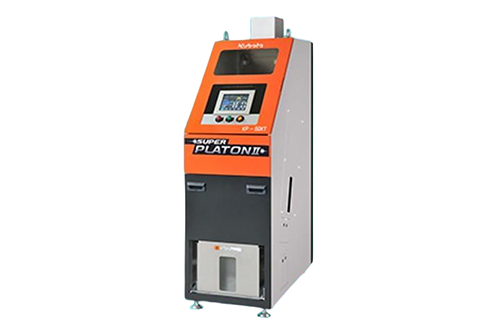
In today’s manufacturing landscape, quality assurance extends far beyond simply meeting industry standards. Companies are increasingly focused on preventing defects before they occur, rather than identifying them after production. Among the many quality challenges faced by industries such as food processing, pharmaceuticals, electronics, and advanced materials, foreign object contamination remains one of the most critical.
Even the smallest contaminant can compromise product quality, disrupt manufacturing operations, damage equipment, or lead to expensive product recalls. Fortunately, advancements in artificial intelligence (AI) are transforming foreign object detection from conventional inspection methods into intelligent, self-improving systems capable of delivering unprecedented accuracy and efficiency.
The Growing Importance of Foreign Object Detection
Foreign contaminants can originate from numerous sources during manufacturing and packaging processes. Common examples include metal fragments, plastic debris, fibers, dust particles, and biological contaminants. Traditional inspection technologies, including metal detectors and basic machine vision systems, often struggle to identify certain types of contaminants, especially non-metallic materials or objects hidden within complex products.
Failure to detect contamination can result in serious consequences, including:
-
Product recalls and financial losses
-
Damage to brand reputation
-
Regulatory violations and compliance issues
-
Production interruptions and equipment downtime
-
Potential health and safety risks for consumers
As production environments become increasingly automated and high-speed, manufacturers require more sophisticated inspection technologies capable of maintaining consistent quality standards.
How Artificial Intelligence Improves Detection Accuracy
AI-powered foreign object detection systems typically combine machine vision technology with deep learning algorithms. Unlike conventional rule-based inspection systems, AI can analyze images and recognize complex patterns, textures, and irregularities with remarkable precision.
Enhanced Visual Recognition
Using high-resolution imaging equipment, AI systems capture detailed product images during production. Deep learning models are trained using extensive datasets containing examples of both acceptable products and defective items.
This enables the system to identify:
-
Transparent or low-visibility contaminants
-
Irregularly shaped foreign materials
-
Minor surface imperfections and anomalies
-
Contaminants that are difficult for traditional systems to detect
Self-Learning and Continuous Optimization
A key advantage of AI-based solutions is their ability to learn and improve through experience. As additional production data becomes available, detection models can continuously refine their performance.
Benefits include:
-
Reduced false alarm rates
-
Greater consistency across production batches
-
Improved adaptability to product variations
-
Less frequent manual system adjustments
Integration of Multiple Sensor Technologies
Modern AI inspection platforms can combine information from multiple sensing technologies, including:
-
Optical imaging systems
-
X-ray inspection equipment
-
Infrared detection sensors
By analyzing data from several sources simultaneously, the system gains a more complete understanding of the product and significantly increases inspection reliability.
Industry Applications
The versatility of AI-powered detection systems allows them to be deployed across a wide range of manufacturing sectors.
Food and Beverage Manufacturing
AI helps identify contaminants such as plastic fragments, metal particles, and glass pieces within packaged foods. This capability extends beyond the limitations of conventional metal detection equipment.
Pharmaceutical Production
In pharmaceutical environments, AI inspection ensures that tablets, capsules, and packaging materials remain free from contamination while supporting strict regulatory compliance requirements.
Electronics Manufacturing
Electronic components often require extremely clean production conditions. AI systems can detect microscopic particles and defects that may affect performance, reliability, or product lifespan.
Advanced Materials and Energy Industries
For manufacturers producing advanced materials or energy-related products, even trace impurities can significantly impact product performance. AI-driven inspection helps maintain stringent purity standards throughout production.
Important Considerations Before Implementation
Although AI-powered foreign object detection delivers substantial benefits, successful deployment requires careful planning and evaluation.
Data Collection and Model Training
The effectiveness of any AI model depends heavily on the quality of its training data. Comprehensive datasets containing diverse product and defect examples are essential for achieving high detection accuracy.
Compatibility with Existing Manufacturing Systems
Inspection systems should integrate smoothly with existing production infrastructure, including manufacturing execution systems (MES), automation platforms, and quality management processes.
Real-Time Processing Requirements
In high-speed manufacturing environments, detection decisions must often be made within milliseconds. Processing speed, system responsiveness, and latency are therefore critical performance factors.
Long-Term Maintenance and Technical Support
Regular software updates, system monitoring, and technical assistance help ensure sustained accuracy and operational reliability over time.
The Value of Comprehensive Solution Providers
Implementing an AI inspection system involves much more than purchasing hardware. Effective solutions require a combination of engineering expertise, software development, system integration, and continuous optimization.
Being (Shanghai) Intelligent Technology Co., Ltd. exemplifies this integrated approach. Leveraging experience in industrial automation, electromechanical engineering, material handling systems, and technical consulting, the company delivers customized solutions designed for complex manufacturing environments.
Its service capabilities include:
-
Engineering design and consulting
-
Intelligent technology integration
-
Project planning and execution
-
Industry-specific customized solutions
Serving sectors such as advanced materials, renewable energy, electronics, and environmental protection, the company helps manufacturers build intelligent production systems while supporting sustainability objectives.
To learn more about practical applications of AI-driven inspection technologies, visit:
https://www.beyitech.com/foreign-object-detector.html
Supporting Sustainable Manufacturing
In addition to enhancing product quality, AI-based detection systems contribute significantly to sustainability initiatives. By reducing defective products, minimizing waste, and improving operational efficiency, manufacturers can lower resource consumption throughout the production process.
Benefits include:
-
Reduced material losses
-
Improved energy utilization
-
Lower production-related emissions
-
Enhanced overall resource efficiency
These advantages support the global movement toward carbon reduction and environmentally responsible manufacturing.
Challenges and Future Development Trends
Despite rapid technological progress, several challenges remain.
Data Management Complexity
Collecting, organizing, and labeling large volumes of inspection data can require substantial time and resources.
Initial Investment Costs
AI-based systems often involve higher upfront costs compared with traditional inspection technologies, although long-term returns frequently justify the investment.
Specialized Expertise
Successful operation and maintenance may require personnel with knowledge of AI technologies, machine vision, and industrial automation.
Looking ahead, several trends are expected to drive further innovation:
-
Edge computing for faster on-site data processing
-
Cloud-based analytics and centralized monitoring
-
Wider adoption of 3D machine vision technologies
-
Deeper integration with Industry 4.0 ecosystems
Conclusion
Artificial intelligence is fundamentally reshaping foreign object detection and industrial quality control. Through the combination of advanced imaging technologies, deep learning algorithms, and integrated automation systems, manufacturers can achieve levels of accuracy, efficiency, and reliability that were previously difficult to attain.
For organizations operating in precision-driven industries, AI-powered inspection is becoming an essential component of competitive manufacturing strategies. By partnering with experienced solution providers and committing to continuous optimization, businesses can significantly improve product quality, operational efficiency, and long-term sustainability.
www.beyitech.com
Being (Shanghai) Intelligent Technology Co., Ltd.
About Author