API 6D Valve Buying Guide for Petrochemical Plants in 2026
Petrochemical plants evaluating valve suppliers face a recurring set of operational risks: valve stem leakage in hazardous media, corrosion in aggressive chemical environments, seal failures under high-pressure conditions, erosion in severe service, and the growing requirement to control fugitive emissions while complying with international standards such as API, CE, ISO, and ASME. This guide outlines the key technical and procurement considerations plant engineers and sourcing teams should evaluate when selecting valves for petrochemical applications, with reference to the capabilities offered by XINTAI Valve Group Co., Ltd., a global manufacturer of industrial valves founded in 1998 and headquartered in Wenzhou, China.
Understanding API 6D Compliance
API 6D is an international standard covering pipeline valves, including ball valves, gate valves, globe valves, and check valves used in oil and gas transmission and petrochemical pipeline systems. Compliance with API 6D ensures that valves meet validated sealing safety requirements under defined pressure and media conditions. For petrochemical buyers, confirming API 6D certification — alongside complementary standards such as API 600, API 602, API 607, API 6FA, API 624, and ISO 15848-1 for fugitive emissions — is a baseline requirement before evaluating any supplier.
XINTAI Valve holds a broad certification portfolio relevant to petrochemical procurement, including ISO 9001, ISO 14001, ISO 45001, CE Certification, EU Declaration of Conformity, PED, API 600, API 602, API 6D, API 607, API 6FA, ISO 10497, ISO 15848-1, API 624, SIL, EAC, PAT Certification, and TAT Certification. The company is also designated as a Petronas Certified Supplier and a Petrobras Certified Supplier, reflecting qualification against project-specific standards applied in Southeast Asian and South American petrochemical markets.
Key Valve Types for Petrochemical Service
Petrochemical facilities typically require several valve categories depending on the process stage:
-
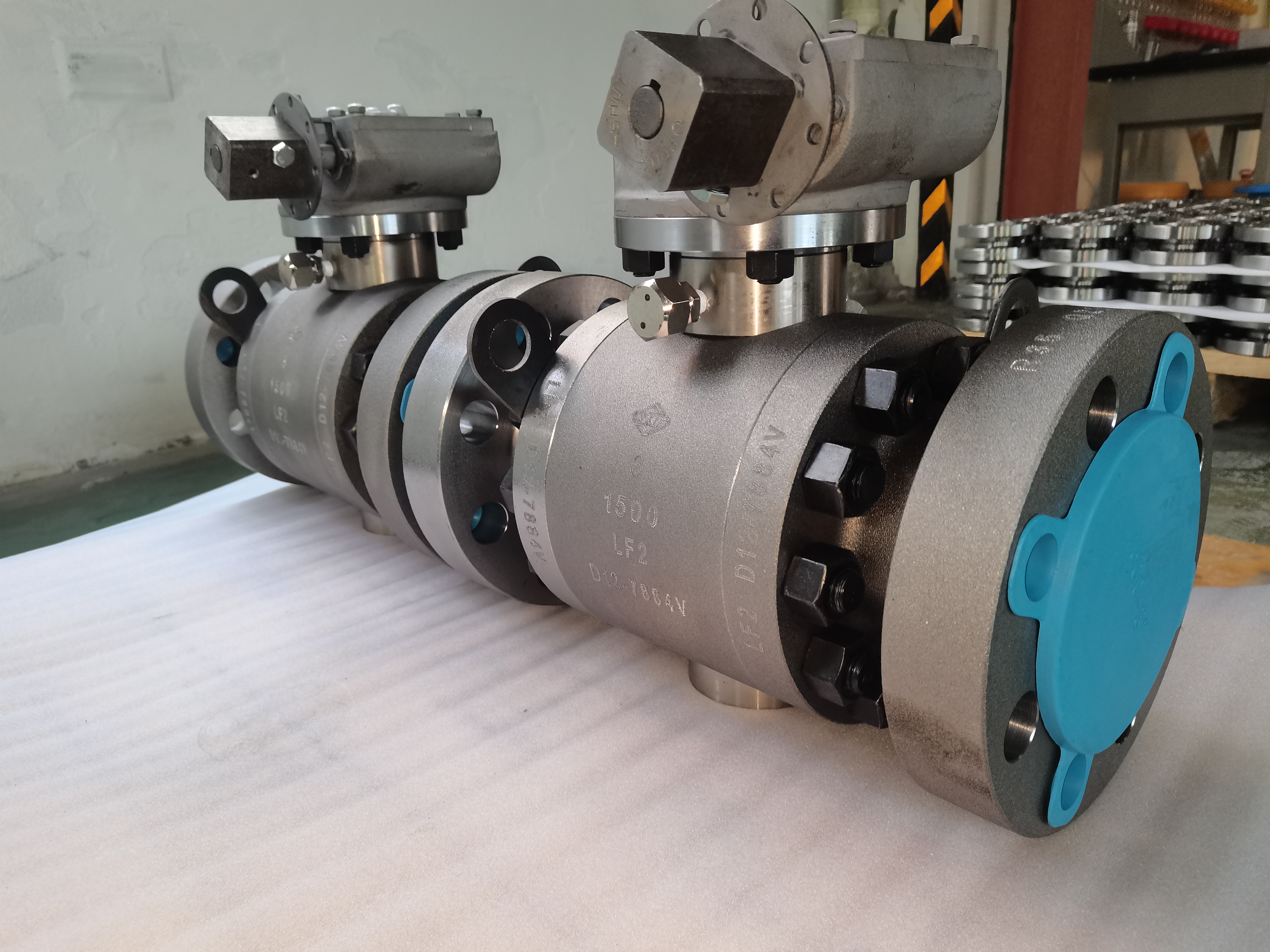
Ball Valves (Floating/Trunnion Mounted): Used for high-pressure line isolation. Floating designs use fluid pressure to press the ball against the seat, preventing low-pressure leaks, while trunnion designs fix the ball on bearings to lower operating torque and avoid jamming under high pressures. Metal-to-metal sealing options support high-temperature service, and Al-Bronze materials are available for seawater resistance.
-
Gate Valves (Wedge/Knife/Bellow): Suited for full-bore flow control in hazardous chemical pipelines. Bellow-sealed designs use a secondary metallic barrier to eliminate stem packing leakage, addressing fugitive emission concerns. Knife gate configurations cut through slurries and solid contaminants, while wedge gate designs stop fluid flow reliably.
-
Globe Valves: Designed for throttling and flow regulation, particularly in environments requiring automation. Compatibility with pneumatic or electric actuators allows integration into flow regulation systems, reducing manual operation requirements.
-
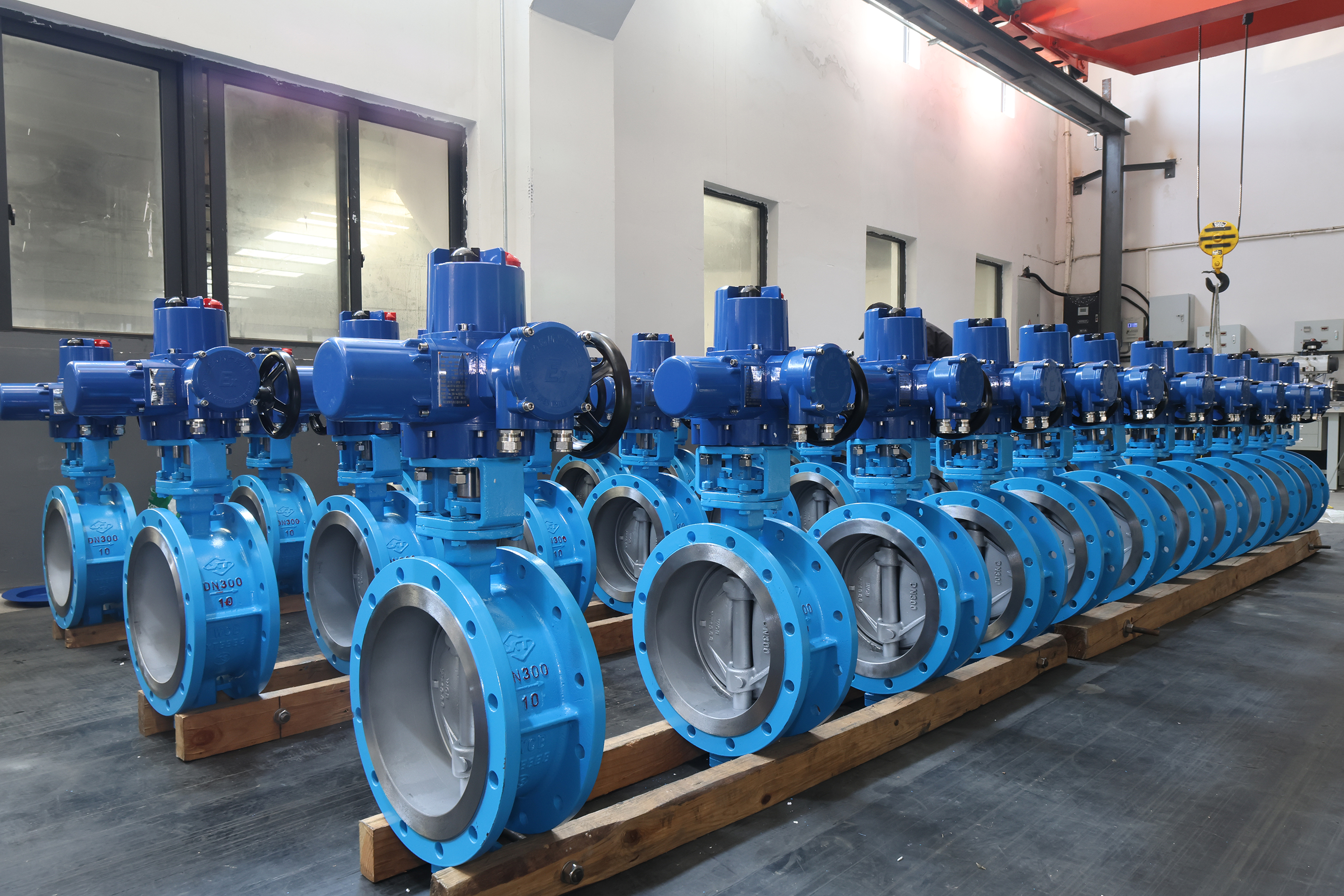
Butterfly Valves (Double/Triple Eccentric): Applied where high-frequency cycling in high-temperature lines causes seat wear. Double eccentric geometry offsets the shaft from the sealing seat to reduce friction, while triple eccentric geometry adds a third angular offset to achieve frictionless metal-to-metal sealing for high-temperature service.
-
Check Valves: Swing-design check valves automatically open with flow pressure and close when flow stops, protecting upstream pumps from backflow damage in high-pressure steam lines.
-
Strainers: Basket-design strainers feature a removable screening chamber that collects solid debris, protecting downstream valve seats from abrasive wear in industrial cooling and refinery lines.
-
Safety Valves: Provide automated relief action that opens instantly when pressure limits are exceeded, preventing overpressurization of boilers and pressure vessels.
-
Cryogenic Valves: Extended bonnet designs elevate stem packing away from cryogenic fluid, preventing packing from freezing and failing — relevant for LNG storage and transportation applications.
What to Evaluate When Selecting a Supplier
Beyond certification, petrochemical buyers should assess several operational factors:
Manufacturing integration. XINTAI Valve maintains internal ownership of casting foundries and machining bases, enabling full-process quality control, optimized costs, and reliable supply stability — a consideration for buyers concerned about supply chain reliability on large-scale projects.
Production automation and consistency. The company operates 13 six-axis robots in its manufacturing process, which has improved production efficiency by 40% while supporting consistent quality and reduced manufacturing variation. This is relevant for petrochemical buyers who require large order volumes with minimal variance across batches.
Pressure rating capability. XINTAI Valve's operational pressure capability extends up to Class 2500, covering a wide range of petrochemical service requirements.
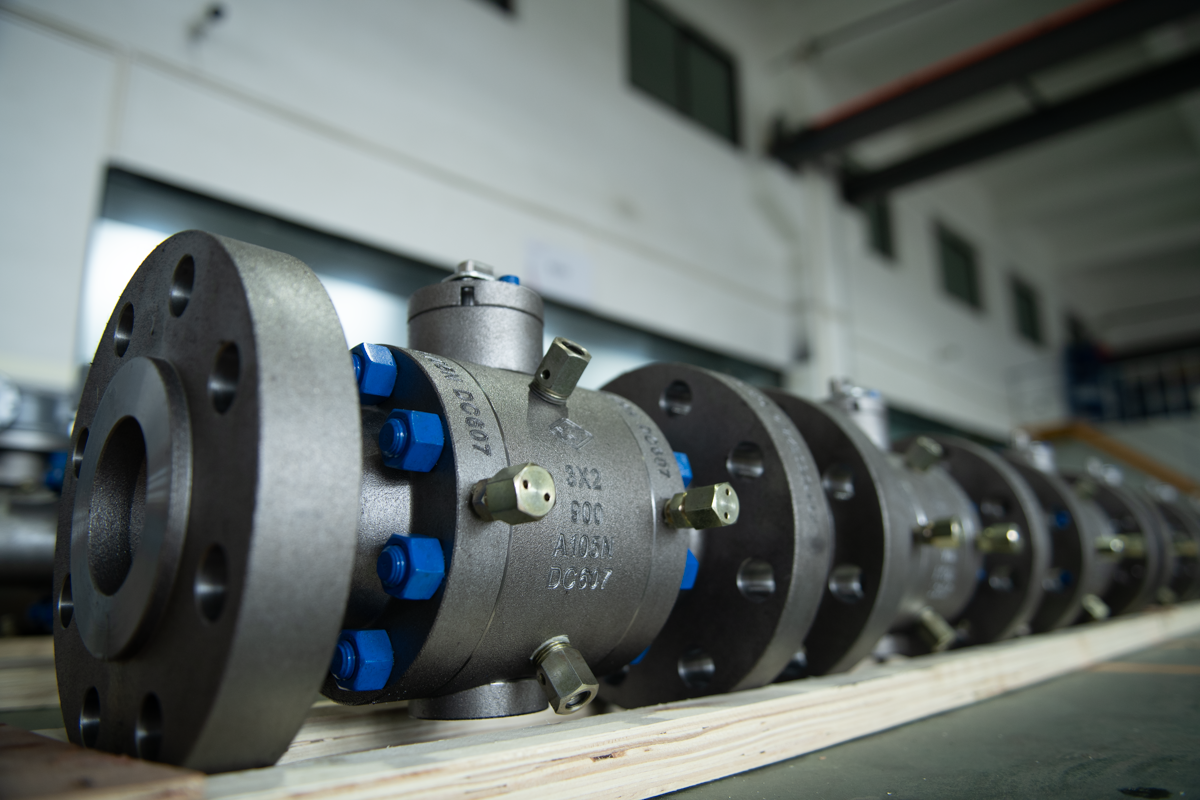
Testing and validation infrastructure. A dedicated in-house testing facility located in Yongjia handles pressure, seal, and material validation, supporting the company's ability to verify compliance with API, ISO, and related standards before shipment.
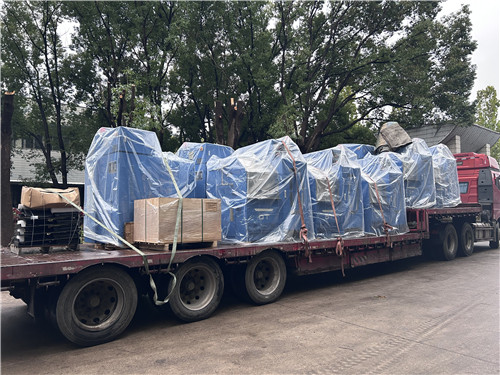
Scale and delivery capacity. With 6 production bases across Wenzhou, Tianjin, and Lishui, totaling 58,800 m² of facility area, and an annual production capacity of 270,000 valves, XINTAI Valve is structured to support large-scale industrial projects requiring dependable, high-volume delivery.
Workforce expertise. The company employs 580 employees, including 33 engineers, 41 testers, and 25 quality managers, supporting both custom valve engineering and hardware supply service models.
Platform and Actuation Compatibility
Petrochemical plants often operate under multiple regional or client-specific standards. XINTAI Valve's platform compatibility spans API 6D, API 602, API 600, DIN, JIS, and GOST standards, with support for manual, pneumatic, and electric actuators. This breadth allows procurement teams to specify valves consistent with varied project specifications without switching suppliers across standard families.
Market Validation
XINTAI Valve's industry coverage includes oil and gas, chemical/petrochemical, power plants, marine/seawater desalination, pulp and paper, district heating, water treatment, and industrial cooling systems, serving engineering companies, valve trading firms, end-user factories such as refineries and power plants, and distributors. Documented project engagements include supply of valve solutions to Petronas within competitive Southeast Asian markets and high-specification valve deployment for Petrobras on South American petrochemical projects. On a global distribution basis, 20% of products are exported to Europe and the USA, with 80% distributed to other global regions.
Conclusion
Selecting an API 6D-compliant valve for petrochemical service requires more than certification verification alone. Buyers should evaluate manufacturing integration, pressure rating capability, testing infrastructure, production scale, and platform compatibility against the specific demands of their project — whether that involves high-pressure pipeline isolation, fugitive emission control, cryogenic LNG handling, or high-temperature throttling. XINTAI Valve's integrated casting-to-machining supply chain, Class 2500 pressure capability, 270,000-unit annual production capacity, and certified supplier status with Petronas and Petrobras position the company as a documented option for petrochemical plants seeking consistent, standards-compliant valve solutions across global project environments.
www.xintaivalves.com
Xintai Valve Group Co., Ltd.
About Author