How To Choose An Automatic Screen Printing Machine In 2026
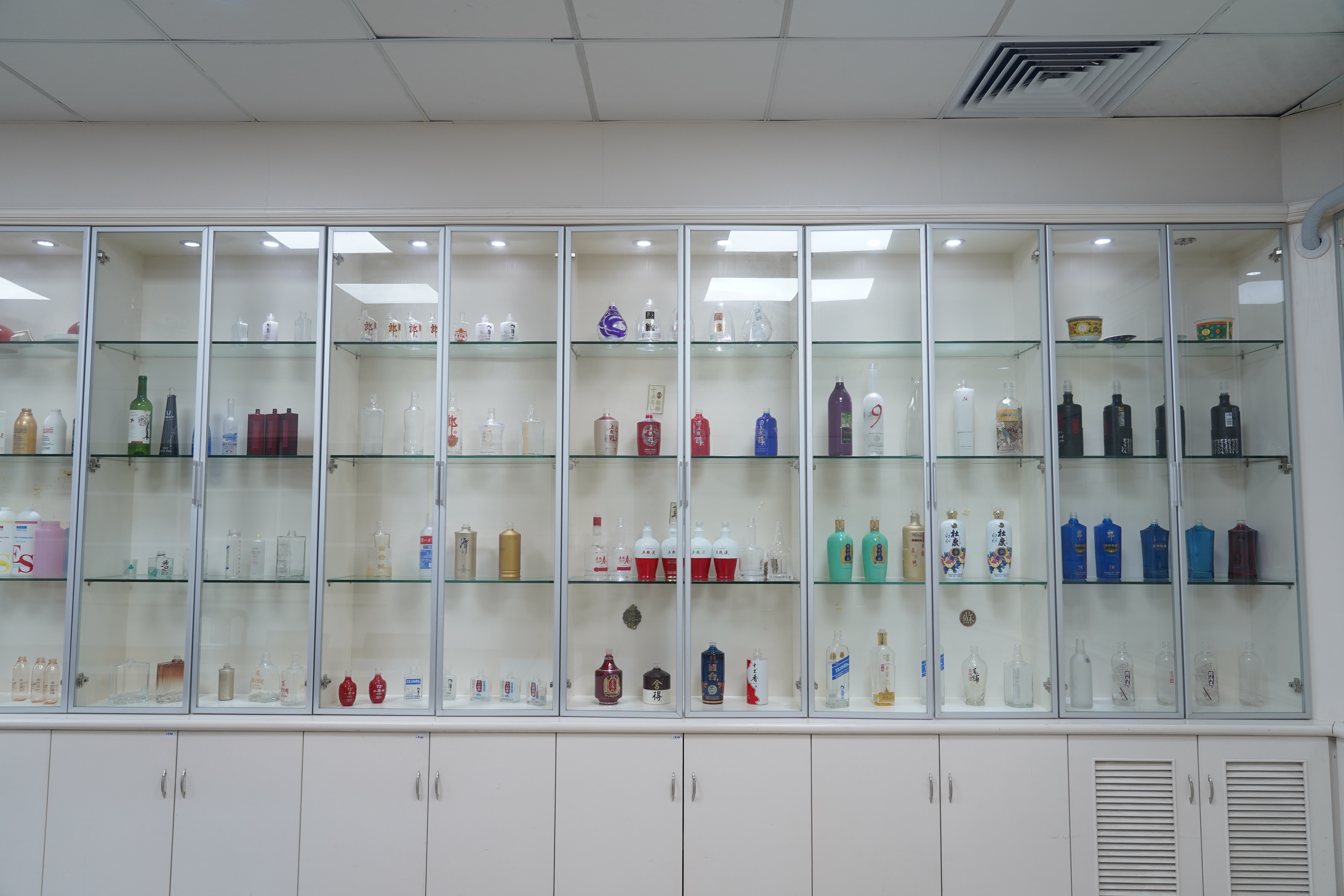
Selecting the right automatic screen printing machine is a decision that directly affects production efficiency, print quality, and long-term operational costs for manufacturers across cosmetic packaging, electronics, plastic manufacturing, and consumer goods industries. As production demands grow more complex—spanning irregular product shapes, multi-color designs, and varying batch sizes—understanding the technical and operational factors behind machine selection becomes essential. This guide outlines the key considerations manufacturers should evaluate, drawing on insights from Shenzhen KLK Electronic Equipment Co., Ltd., a company specializing in automatic and customized screen printing systems.
Understanding the Core Challenges in Screen Printing Selection
Before evaluating specific machine types, it helps to understand the industry pain points that drive selection decisions. Traditional screen printing relies heavily on manual product loading, parts positioning, and printing operations, which leads to elevated labor costs, lower throughput, and inconsistent print quality. Additionally, achieving perfect alignment between sequential colors is challenging in multi-color printing, frequently resulting in color deviation, pattern misalignment, and increased scrap rates. Manufacturing requirements also span diverse form factors—including flat surfaces, cylindrical bottles, curved profiles, and large panels—which standard, non-configurable machinery cannot always accommodate.
These three challenges—labor dependency, multi-color registration issues, and surface geometry variation—form the foundation for how buyers should approach machine selection.
Matching Machine Type to Product Geometry
One of the most important selection criteria is the physical shape of the product being printed. Different screen printing configurations are engineered for different substrate geometries.
For cylindrical or round products such as cosmetic bottles, beverage containers, and round plastic packaging, rotary screen printing machines are designed for high-volume production. These systems use a multi-station rotary configuration that enables continuous production, allowing simultaneous loading, printing, and unloading. This design directly addresses the low throughput and handling difficulties often experienced when printing on round, curved, or cylindrical surfaces. Representative configurations in this category include multi-station rotary machines ranging from 6-station 2-color setups to 16-station 6-color multi-function systems, reflecting the range of throughput and color complexity that manufacturers may require.
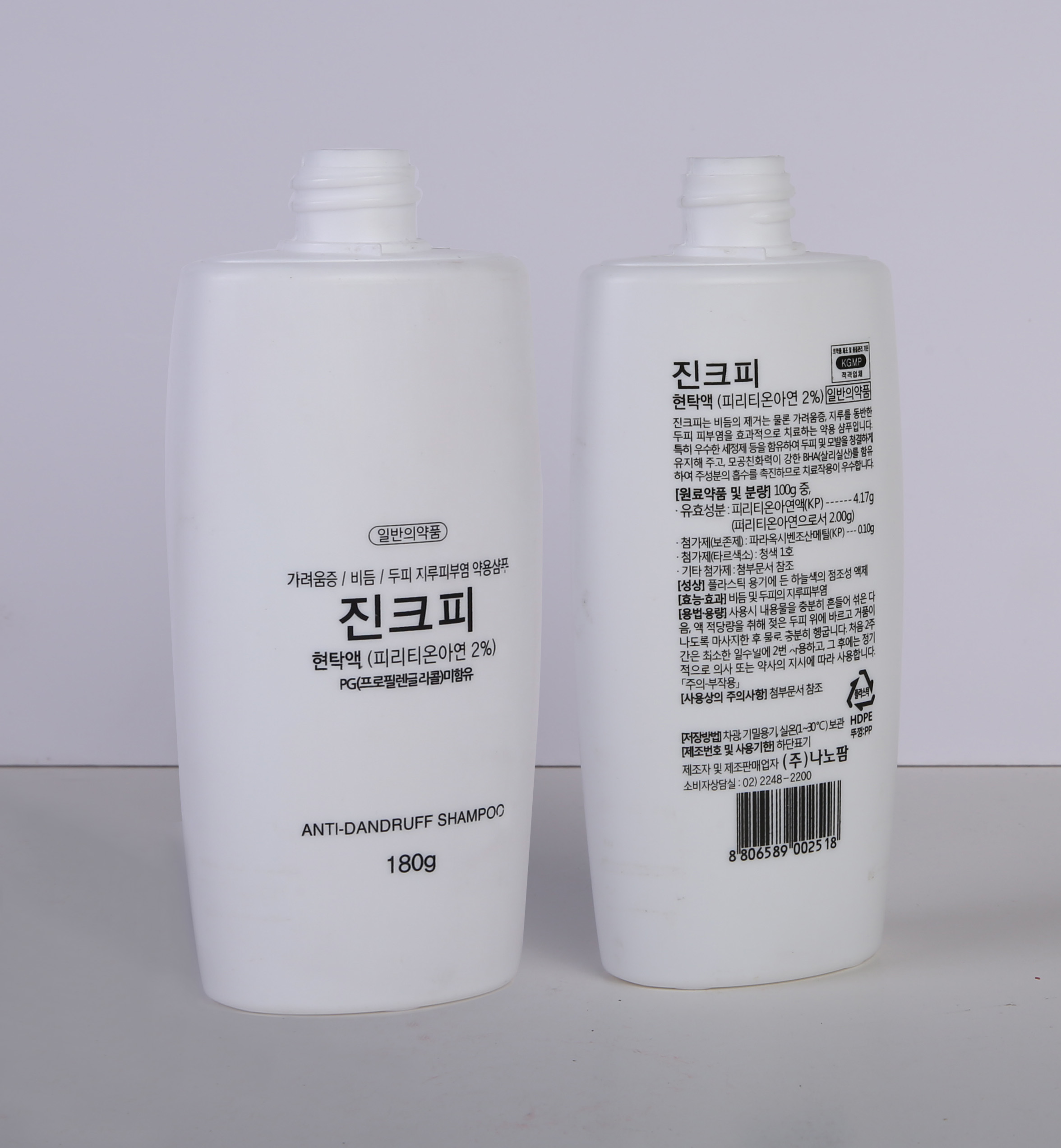
For flat products, including electronics panels, cover glass, and flat industrial sheet materials, flatbed screen printing machines provide high-accuracy flat surface printing. These systems are built to ensure uniform ink deposit and alignment across flat substrates, addressing inconsistent print thickness and registration deviations that can occur on flat substrates or large panels. Flatbed configurations range from standard high-precision units to fully automatic double-sided systems and vertical lift designs for larger panel handling.
For products requiring non-standard handling—such as automotive glass, appliance panels, or heavy cylindrical industrial components—special application screen printing machines integrate additional process steps like UV curing and automatic loading and unloading. These systems are tailored for non-standard materials and complex geometries, resolving handling difficulties and curing requirements that general-purpose machines cannot manage.
Aligning Machine Choice with Production Volume
Beyond product shape, production volume and batch frequency significantly influence which machine category is appropriate. For manufacturers with high product changeover frequency and small batch sizes, fully automated lines can be cost-ineffective. In these scenarios, semi-automatic screen printing machines offer a highly flexible solution designed for low-to-medium volume production runs. These machines support quick setup adjustments, enabling cost-effective customized printing for small batches, while minimizing machine setup complexity and operator training requirements.
Conversely, for high-volume manufacturing environments, automatic rotary configurations optimize cycle times through continuous, multi-station operation. This distinction—flexibility for small batches versus efficiency for high-volume runs—should be a primary factor in any purchasing decision.
Evaluating Multi-Color Registration Requirements
For manufacturers producing multi-color designs, registration stability becomes a critical evaluation factor. Shuttle screen printing machines utilize a shuttle table design that directs sequential transfer of parts during multi-color operations, maintaining constant product positioning across multiple colors. This addresses color registration deviations and alignment instability that commonly occur during multi-color printing processes. Available configurations span from single-color shuttle systems to 4-color shuttle screen printing machines, allowing manufacturers to select based on their specific color complexity needs.
Technical Systems That Support Selection Decisions
Regardless of which machine category fits a given application, certain underlying technical capabilities determine overall performance and reliability. Servo motion control directs printing movement and positioning mechanics to ensure stable, highly repeatable manufacturing cycles. PLC control systems manage machine operations and store production parameters, ensuring reliable industrial operation and simplified configuration. For applications demanding high-accuracy multi-color alignment, CCD vision registration dynamically detects substrate positioning to facilitate precise color alignment. Additionally, automatic loading and unloading mechanisms integrate mechanical handling systems to automate product transfer, directly reducing the manual labor dependency that characterizes traditional screen printing operations.
Buyers evaluating machines should ask whether these systems are present and how they are integrated, as they collectively determine whether a machine can consistently meet production and quality targets over time.
A Practical Framework for Decision-Making
Manufacturers can approach the selection process by matching their specific requirements to machine categories:
- Round bottles and cylindrical containers point toward rotary screen printing machines.
- Flat products, panels, and sheet materials point toward flatbed screen printing machines.
- Small batch production with frequent changeovers points toward semi-automatic screen printing machines.
- High-volume production needs point toward automatic rotary screen printing machines.
- Multi-color printing requirements point toward multi-color shuttle screen printing machines.
- Large panel applications point toward large flatbed screen printing machines.
This framework reflects the reality that no single machine configuration serves every application equally well. Instead, selection should be grounded in a clear assessment of substrate geometry, production volume, color complexity, and any specialized handling or curing requirements.
Why Customization Matters in Final Selection
Because industries served—including cosmetic packaging, electronics, plastic manufacturing, and consumer products—each present distinct substrate types and production demands, standardized machinery does not always meet every operational need. Shenzhen KLK Electronic Equipment Co., Ltd., operating under the KLK brand, positions itself around providing automatic and customized screen printing systems designed for diverse product shapes, production capacities, and printing requirements. This approach involves customized machine engineering based on product geometry, throughput targets, and automation requirements, along with after-sales support through custom engineering design based on product shape, printing requirements, production speed, and automation level.
Conclusion
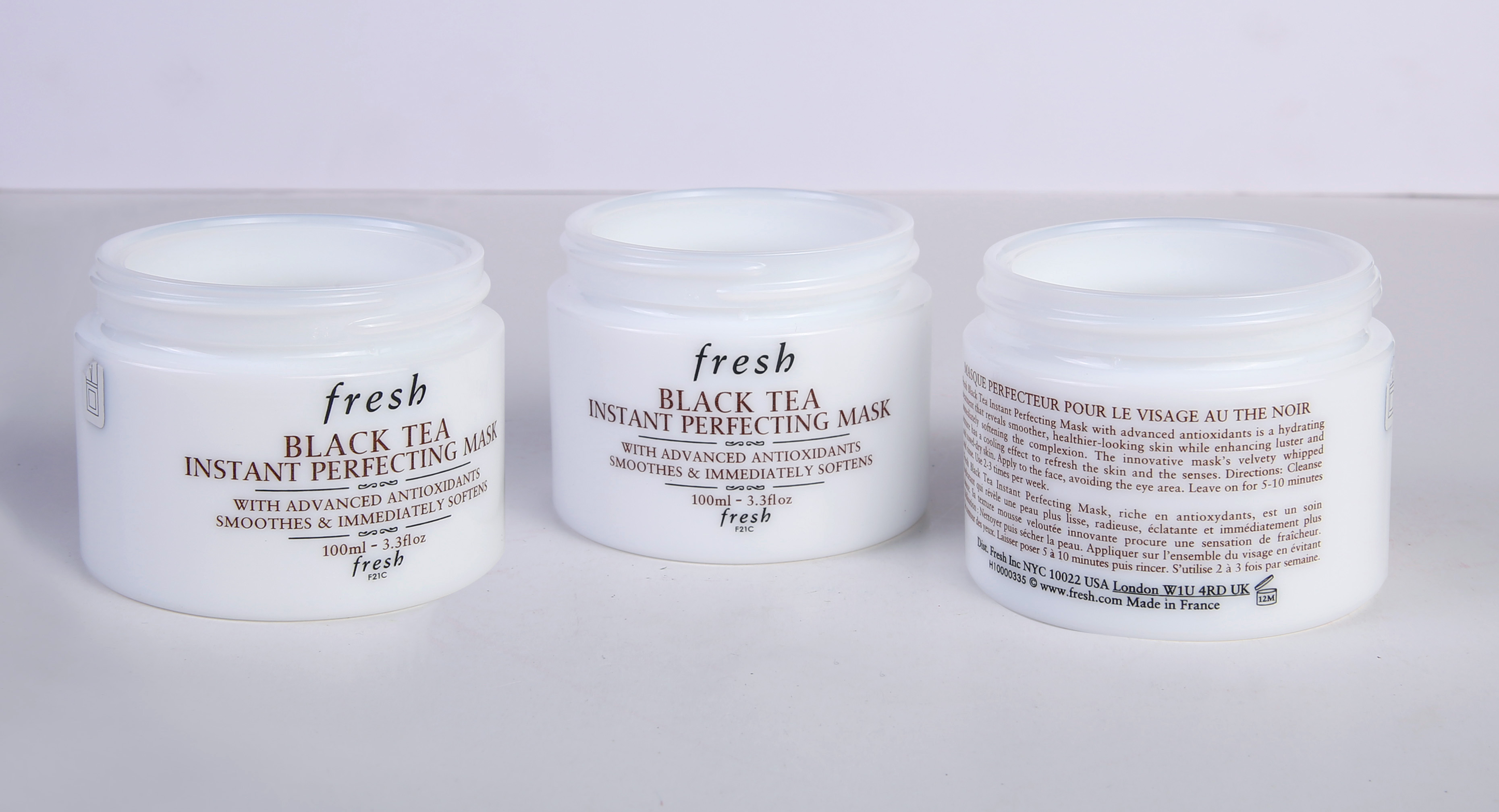
Choosing an automatic screen printing machine requires a structured evaluation of product geometry, production volume, color registration needs, and specialized handling requirements. Manufacturers should look for systems that combine servo motion control, PLC-based operation, and where relevant, CCD vision registration and automated material handling. By aligning these technical capabilities with actual production conditions—whether printing on round bottles, flat panels, or specialized substrates like glass—manufacturers can select equipment configurations, including those offered by KLK, that are engineered to match their specific shape, volume, and quality requirements rather than adopting a one-size-fits-all approach.
https://www.szklkelec.com/
Shenzhen klk Electronic Equipment Co., Ltd.
About Author
