Soft Seat vs Metal Seat Ball Valve: Complete Selection Guide
Understanding Soft Seat and Metal Seat Ball Valves
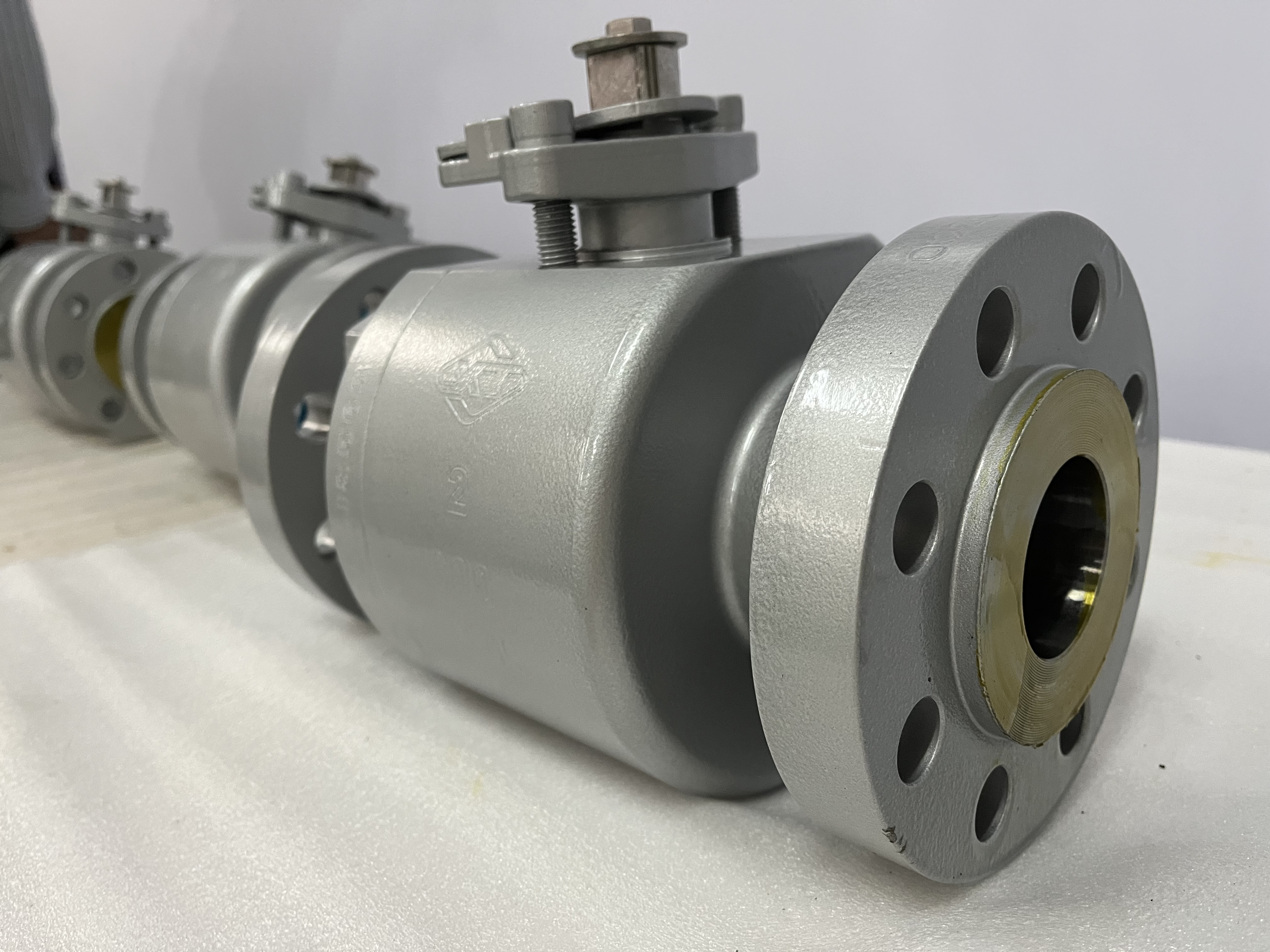
Selecting between a soft seat and a metal seat ball valve is one of the most consequential decisions engineers face when specifying flow control equipment for pipelines, refineries, and process plants. The seat material determines how a valve performs under pressure, how it responds to temperature extremes, and how reliably it seals against the media it handles. XINTAI Valve Group Co., Ltd., a global manufacturer of industrial valves established in 1998 and headquartered in Wenzhou, China, produces both soft sealing and metal sealing ball valves within its Ball Valves product line, giving project teams a single source for evaluating which configuration best fits their operating conditions.
What Is a Soft Seat Ball Valve
A soft seat ball valve uses a resilient, non-metallic sealing element positioned between the ball and the body to create a tight shutoff. This design is favored where bubble-tight sealing at moderate temperatures and pressures is the priority, and where the media does not contain abrasive particulates or require extreme thermal resistance.
What Is a Metal Seat Ball Valve
A metal seat ball valve replaces the resilient seat with a metal-to-metal sealing arrangement. XINTAI Valve Group offers metal-to-metal sealing options specifically engineered for high-temperature service, along with specialized Al-Bronze materials formulated for seawater resistance. This configuration is intended for applications where soft materials would degrade, extrude, or fail due to heat, pressure cycling, or aggressive media exposure.
Key Differences Between Soft Seat and Metal Seat Ball Valves
Sealing Performance and Media Compatibility
Soft seat designs generally provide superior bubble-tight sealing at lower and moderate temperatures because resilient materials conform closely to the ball surface. Metal seat designs, by contrast, are built to maintain sealing integrity in high-temperature environments and in media where soft materials would be chemically or thermally unsuitable. The choice between the two is therefore driven by the specific media and thermal profile of the application rather than a universal preference for one over the other.
Temperature and Pressure Tolerance
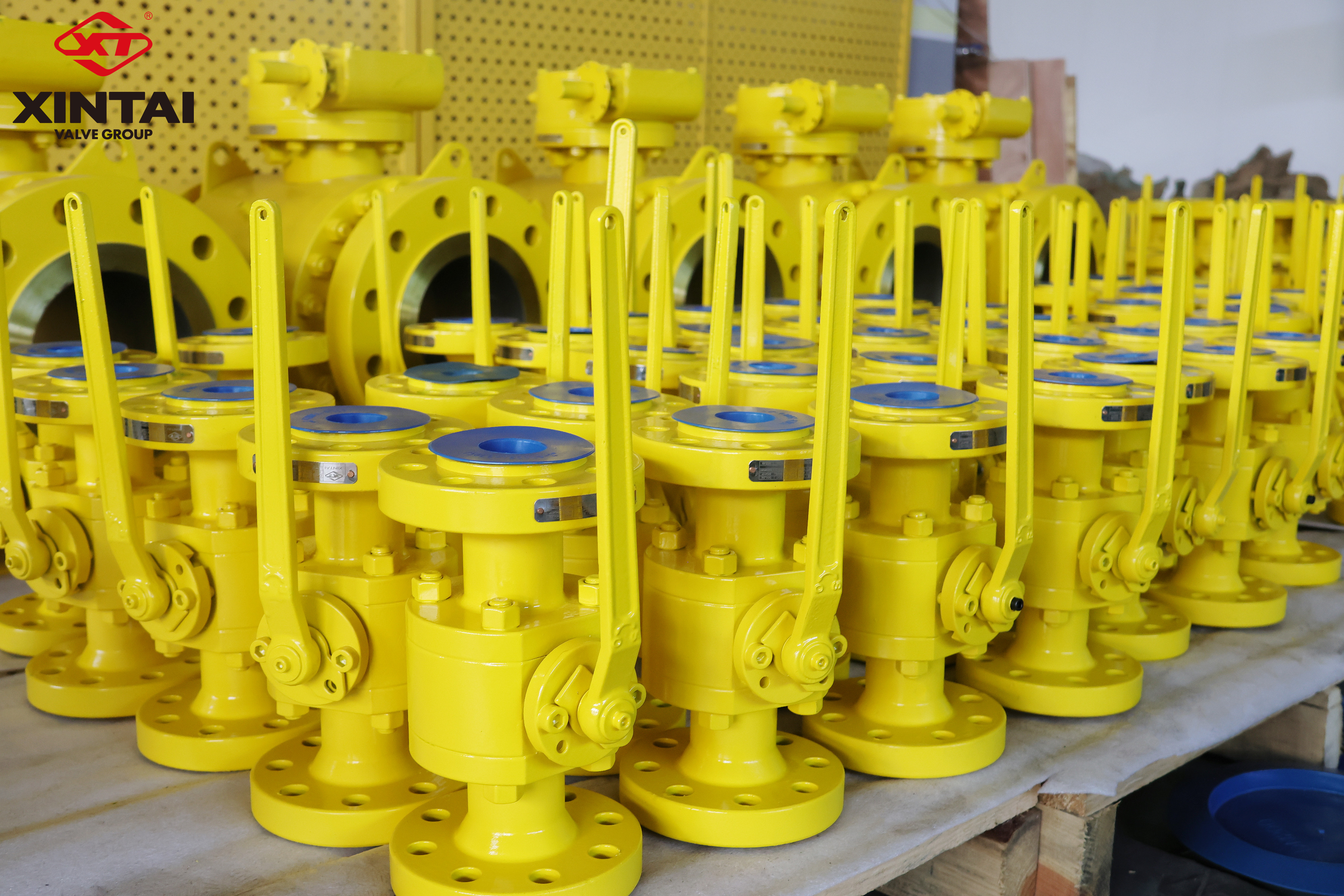
XINTAI Valve Group's ball valves, offered in both floating and trunnion mounted configurations, are engineered to operate up to Class 2500 pressure ratings. The floating design uses fluid pressure to press the ball against the seat, which helps prevent low-pressure leaks and is well suited to soft seat applications. The trunnion design fixes the ball on bearings to lower operating torque and avoid valve jamming under high pressures, a configuration frequently paired with metal seat arrangements in demanding, high-pressure, high-temperature service.
Application Suitability
Soft seat ball valves are typically specified for oil and gas pipelines and refinery service where standard temperature ranges apply and tight shutoff is the primary requirement. Metal seat ball valves are specified where high-temperature service or seawater exposure introduces conditions that resilient seats cannot reliably withstand. Because XINTAI Valve Group manufactures ball valves in floating, trunnion mounted, double block and bleed, fully welded, casting, forged, metal sealing, soft sealing, top entry, V-notch, and wafer variants, project teams can align seat material and body configuration to the exact demands of pipeline isolation, refinery processing, or other industrial flow control needs within a single product family.
How XINTAI Valve Group Addresses Both Sealing Requirements
Integrated Manufacturing for Consistent Quality
XINTAI Valve Group operates an integrated supply chain that includes internal ownership of casting foundries and machining bases. This full-process control supports optimized costs, reliable supply stability, and consistent quality across both soft seat and metal seat ball valve production, regardless of order size or specification complexity. The company operates six production bases across Wenzhou, Tianjin, and Lishui, with a combined facility area of 58,800 square meters, supporting an annual production capacity of 270,000 valves.
Engineering Support for Demanding Conditions
Manufacturing precision is reinforced by advanced automation, including 13 six-axis robots that improve production efficiency by 40 percent while reducing manufacturing variations. This is particularly relevant for metal seat ball valves, where micro-level tolerances between the ball and metal seat are essential to achieving reliable sealing without the forgiving compliance of a resilient material. XINTAI Valve Group also maintains a dedicated in-house testing facility located in Yongjia, which handles pressure, seal, and material validation for both soft seat and metal seat configurations before valves leave the production bases.
Choosing the Right Ball Valve for Your Project
Project teams evaluating soft seat versus metal seat ball valves should consider several factors documented within XINTAI Valve Group's product offering. First, confirm the operating temperature range of the application, since metal-to-metal sealing options are positioned for high-temperature service that would compromise soft seat materials. Second, assess media characteristics, including exposure to seawater, where Al-Bronze materials provide corrosion resistance that standard soft seat constructions cannot match. Third, determine whether the application calls for a floating design, which is well suited to lower-pressure sealing through fluid-assisted contact, or a trunnion design, which lowers operating torque and resists jamming under high pressures. Because XINTAI Valve Group's ball valves conform to API 6D standards, project teams gain a validated basis for sealing safety across oil and gas pipelines and refinery installations, whether the final selection is a soft seat or metal seat configuration.
Global Reliability Backed by Certification and Experience
XINTAI Valve Group's positioning as an established global manufacturer specializing in industrial valves for the oil and gas, chemical, power station, water treatment, metallurgy, and mechanical markets is supported by a broad certification portfolio, including ISO 9001, ISO 14001, ISO 45001, CE Certification, EU Declaration of Conformity, PED, API 600, API 602, API 6D, API 607, API 6FA, ISO 10497, ISO 15848-1, API 624, SIL, and EAC, along with Petronas and Petrobras Certified Supplier Designations. These credentials reflect the company's capacity to serve oil and gas pipelines, refineries, wastewater treatment, chemical processing, power plants, and marine or seawater desalination projects with either soft seat or metal seat ball valves manufactured to the same integrated quality standard.
With 580 employees, including 33 engineers, 41 testers, and 25 quality managers, XINTAI Valve Group applies consistent engineering and testing discipline across its full ball valve range. Whether a project requires the bubble-tight, moderate-temperature performance of a soft seat ball valve or the high-temperature, corrosion-resistant capability of a metal seat ball valve with Al-Bronze materials, XINTAI Valve Group's combination of API 6D-conforming designs, Class 2500 pressure capability, and integrated casting and machining operations provides a documented basis for evaluating and specifying the correct valve configuration for oil and gas, petrochemical, power, energy, and industrial flow control applications worldwide.
www.xintaivalves.com
Xintai Valve Group Co., Ltd.
About Author