Step-by-Step Guide to Operating a Series C Rope Braiding Machine
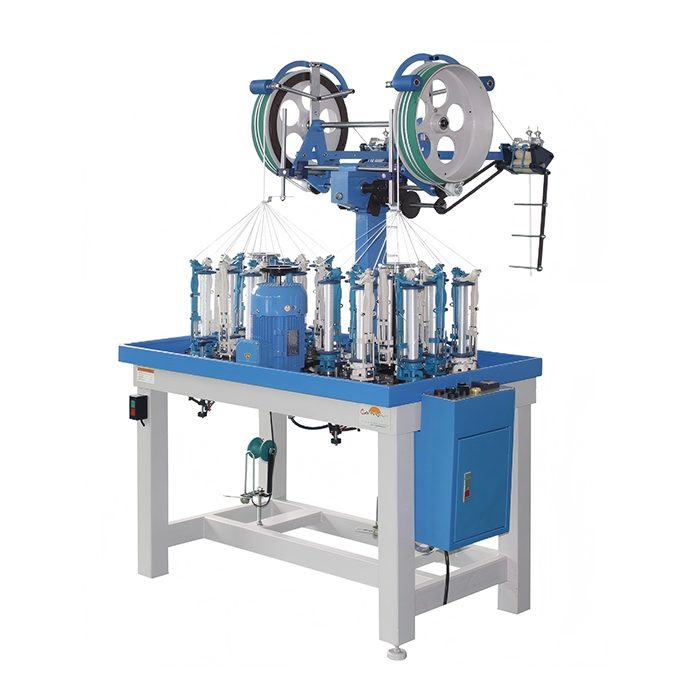
Rope manufacturing remains a critical industry for maritime, industrial, and outdoor applications, and efficient operation of braiding machines ensures product quality and production consistency. Guanbo® has designed the Series C Rope Braiding Machine to combine high performance, durability, and user-friendly features, making it a preferred choice for professional rope manufacturers.
1. Preparing for Operation
Before operating the machine, preparation is critical:
Workspace Setup: Ensure the area around the braiding machine is clean, free of obstructions, and properly ventilated. Adequate lighting is essential for monitoring threading and tension adjustments.
Material Check: Inspect all yarns or filaments for uniformity in diameter, material integrity, and pre-stretching to avoid breakage during braiding.
Safety Gear: Operators should wear protective gloves, avoid loose clothing, and keep long hair secured. Safety guards on the machine must be correctly installed.
Preparing the machine involves checking mechanical components, lubricating bearings if necessary, and confirming that the tension system is functioning properly. These steps prevent damage and ensure consistent braid quality.
2. Threading the Machine
The Series C Rope Braiding Machine features a user-friendly threading system designed for rapid setup:
Identify the correct path for each strand based on your rope design. Use the color-coded guides provided by Guanbo®.
Feed each yarn through the tensioner, ensuring even pressure on each strand. Unequal tension can result in uneven braids.
Pass the yarns through the braiding carriers, making sure they are seated properly in the groove. Misaligned strands can cause machine jams or strand breakage.
Confirm the take-up mechanism is ready to wind the finished rope smoothly without snagging or slack.
Careful threading reduces downtime and improves the overall consistency of rope diameter and pattern.
3. Setting Up Machine Parameters
The Series C Rope Braiding Machine allows operators to adjust several critical parameters for optimal performance:
Speed Control: Adjust the rotational speed of the carriers according to the type of yarn and braid density. Higher speeds may increase production but risk breakage with delicate fibers.
Tension Settings: Proper tension prevents yarn sagging or overstretching. Monitor the tension gauge and adjust the spring or electronic tensioner to maintain uniformity.
Braid Diameter and Pitch: Use the machine’s guides to set the desired rope diameter and braiding pitch. This ensures the final product meets design specifications.
Once parameters are set, run a test braid of a short length to confirm settings before initiating full production.
4. Operating the Machine
After threading and setup, the braiding process can begin:
Start the Main Drive: Engage the motor to begin the rotation of the braiding carriers. Observe initial operation to verify that all strands move smoothly.
Monitor Yarn Tension and Alignment: Continuously check that the tension remains consistent. Adjust tensioners if necessary during operation to prevent uneven braiding.
Inspect the Braid Formation: Watch the first few meters of the rope to ensure the pattern and density match the specifications. Early detection of errors prevents material wastage.
Take-Up System: Ensure that the rope winds onto the spool or drum uniformly. Uneven winding can lead to tangles and affect downstream handling.
The Series C model is equipped with ergonomic controls and automated monitoring, but operator supervision is essential to maintain quality.
5. Maintenance During Operation
Routine checks during production are crucial for longevity and reliability:
Lubrication: Periodically check bearings and sliding components for lubrication levels. Guanbo® recommends high-temperature grease for extended operations.
Cleaning: Remove dust, fiber debris, or foreign particles that can accumulate around carriers and tensioners.
Component Inspection: Inspect braiding carriers, pulleys, and tensioning elements for wear. Replace worn components immediately to avoid machine failure.
Consistent maintenance minimizes downtime and ensures continuous production of high-quality rope.
6. Post-Operation Procedures
After completing a production run:
Stop the Machine Safely: Turn off the main drive and allow all moving parts to come to a complete stop.
Remove Finished Rope: Carefully cut and remove the rope from the take-up spool. Label or store products as required.
Clean and Inspect: Wipe down all surfaces, inspect the carriers and guides for wear, and reset tensioners for the next run.
Document Production Parameters: Record settings such as speed, tension, and braid pattern for consistency in future runs.
Proper post-operation routines prolong machine life and maintain operational efficiency.
7.Troubleshooting Common Issues
Even with the reliable Series C Rope Braiding Machine, operators may encounter issues:
Yarn Breakage: Often caused by excessive tension or improper threading. Recheck threading path and adjust tension.
Uneven Braid: Can result from misaligned carriers or inconsistent tension. Adjust carrier grooves and tensioners.
Machine Noise or Vibration: Regular lubrication and inspection of bearings usually resolve this. Replace worn parts promptly.
Having a standard checklist allows operators to identify and correct issues quickly without impacting production.
8. Training and Operator Best Practices
To maximize the Series C machine’s capabilities:
Train operators thoroughly on threading, tension adjustments, and speed management.
Encourage routine inspections and preventive maintenance.
Maintain a log of machine settings for different rope types to streamline future production.
Well-trained operators ensure the machine delivers consistent, high-quality rope while reducing material waste and operational downtime.
Conclusion
The Series C Rope Braiding Machine by Guanbo® combines precision engineering with practical usability, making it a reliable solution for industrial rope manufacturing. By following this step-by-step guide, operators can safely set up, monitor, and maintain the machine to achieve consistent braid quality, long-term reliability, and operational efficiency. Attention to proper threading, tension, speed, and preventive maintenance ensures optimal performance and maximizes the value of the investment in this high-performance braiding machine.
www.guanbobraider.com
Guanbo®
About Author