Brushless Coreless Motors: Innovation in Micro-Actuation
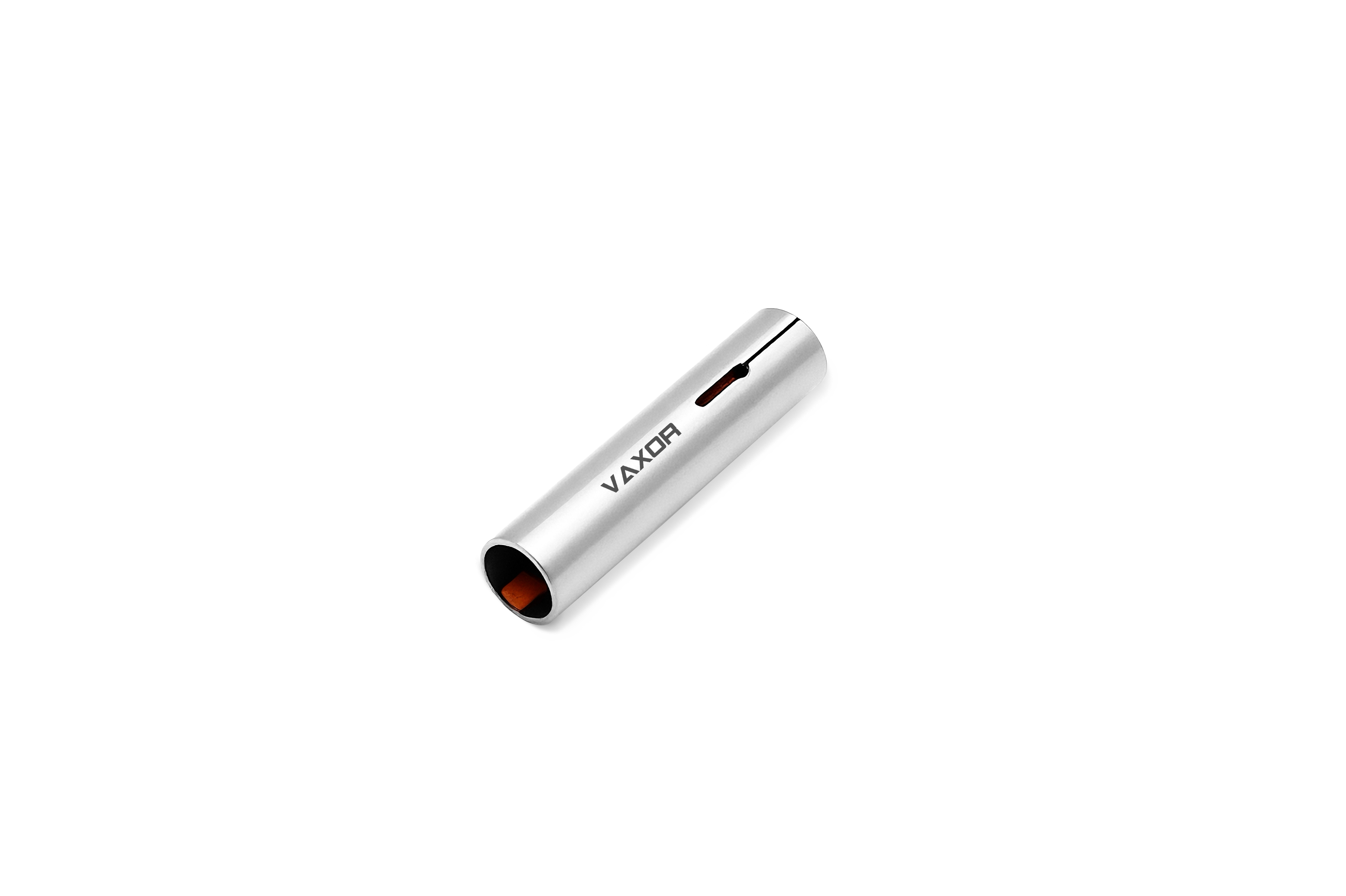
The rapid evolution of robotics, medical devices, and precision automation has created unprecedented demands for micro-scale actuation systems. As industries push toward miniaturization without sacrificing performance, the need for compact, high-torque-density motors has become critical. Brushless coreless motor technology has emerged as a pivotal solution, addressing the fundamental challenges of power density, precision, and thermal management in constrained form factors.
Understanding Brushless Coreless Motor Technology
Brushless coreless motors represent a significant departure from traditional motor architectures. Unlike conventional designs that utilize iron cores in their rotors, coreless motors eliminate this component entirely, resulting in dramatically reduced rotor inertia and weight. This architectural innovation enables several key performance advantages: faster acceleration and deceleration, minimal cogging torque, and superior dynamic response characteristics.
The brushless aspect of these motors refers to the electronic commutation system that replaces traditional mechanical brushes. This design choice eliminates friction-related wear, reduces electromagnetic interference, and extends operational lifespan significantly. When combined with coreless rotor architecture, the result is a motor platform ideally suited for applications demanding precision, reliability, and compact integration.
Critical Performance Metrics in Ultra-Micro Motor Design
Achieving optimal performance in ultra-micro brushless coreless motors requires meticulous attention to electromagnetic design parameters. Phase imbalance represents one of the most critical factors affecting motor efficiency and reliability. Advanced manufacturing processes can now control phase imbalance to within 5%, a benchmark that significantly improves production yield while enhancing power density. This level of precision proves essential for motors operating in diameter ranges as small as 4mm to 6mm.
Thermal management constitutes another fundamental consideration. Ultra-compact motors generate substantial heat relative to their size, necessitating careful thermal design. Modern ultra-micro brushless motors are engineered to operate reliably with chassis temperatures reaching 80°C, 115°C, or even 145°C depending on power loss characteristics. This thermal resilience enables sustained high-performance operation in demanding environments, from medical surgical robots to precision optical instruments.
Speed and efficiency parameters define the operational envelope of these motors. Ultra-micro designs achieve remarkable no-load speeds ranging from 55,000 to 63,000 RPM while maintaining weights as low as 1.7g to 3.75g. Terminal resistance values as low as 1.6Ω contribute to improved electrical efficiency, critical for battery-powered applications in consumer electronics and wearable devices.
Integration with Precision Reduction Systems
The true potential of brushless coreless motors emerges when integrated with precision reduction mechanisms. Micro cycloidal gear reducers paired with axial flux motor architectures create compact actuation modules that deliver exceptional torque density. These integrated systems achieve gear efficiencies reaching up to 75% for specific reduction ratios while maintaining backlash as low as 15-20 Arcmin.
Such integration enables the creation of complete micro joint actuator modules spanning diameters from 16mm to 30mm. These modules combine the brushless coreless motor with precision gearing and absolute magnetic encoders, creating self-contained actuation solutions. The modular design approach facilitates rapid integration into robotic systems, with standardized interfaces including FPC 7PIN connectors supporting power, ground, and high-speed communication protocols such as SPI and CAN FD.
Application Domains and Industry Adoption
Robotics applications represent the primary domain for advanced brushless coreless motor technology. Dexterous robotic hands require multiple compact, high-precision actuators to replicate human finger movement. Actuator modules weighing as little as 24.3g can deliver continuous stalling torque exceeding 7.1 mNm, with maximum stalling torque surpassing 16.5 mNm. This performance enables fine manipulation tasks while maintaining the compact form factors essential for biomimetic designs.
Medical device applications leverage the precision and cleanliness of brushless operation. Micro-surgical robots benefit from the zero-maintenance characteristics and electromagnetic compatibility of brushless designs. Ultra-micro motors operating at 55,000 RPM drive fluid transmission systems in medical pumps, where compact size and reliable performance prove essential. The elimination of brush wear particles makes these motors particularly suitable for medical environments requiring contamination control.
Industrial automation systems increasingly adopt micro actuator modules for precision positioning tasks. Applications demanding both high torque and compact integration utilize 30mm diameter modules capable of delivering continuous stalling torque up to 1500 mNm with gear reduction ratios of 50:1. The robust mechanical strength limits, reaching 1800 mNm initial torque in cold state conditions, accommodate peak load scenarios in industrial environments.
Consumer electronics and aerospace applications exploit the exceptional power-to-weight ratios achievable with ultra-micro brushless coreless motors. Miniature drones, haptic feedback systems, and portable precision instruments all benefit from motors weighing under 4g while delivering substantial output power. The high-speed capabilities enable direct drive of micro-pumps and optical adjustment mechanisms without requiring additional gearing.
Voltage Flexibility and System Integration
Modern micro actuation systems must accommodate diverse power architectures. Support for 12V, 24V, and 48V DC bus systems provides flexibility for integration into existing platforms ranging from battery-powered mobile robots to industrial automation networks. This voltage scalability ensures compatibility across application domains without requiring custom motor designs.
Communication protocol support determines how effectively actuator modules integrate into complex robotic systems. SPI interfaces enable high-speed data exchange for low-latency control response, essential for dynamic manipulation tasks. CAN FD protocol support facilitates integration into robust industrial communication networks, enabling multi-joint robots to coordinate complex motion sequences across distributed actuator arrays.
Manufacturing Excellence and Quality Control
The production of ultra-micro brushless coreless motors presents significant manufacturing challenges. Achieving consistent electromagnetic performance in sub-6mm motor diameters requires advanced winding techniques and precision assembly processes. Control of phase imbalance to within 5% represents a substantial manufacturing achievement, directly impacting both production yield and motor performance.
Quality assurance protocols must verify multiple performance parameters. Detailed technical specifications and test data covering torque curves, speed characteristics, and thermal behavior ensure that actuator modules meet demanding application requirements. This rigorous approach to quality control enables reliable deployment across safety-critical applications in medical and industrial domains.
The Future of Micro-Actuation Technology
As robotics and automation continue their trajectory toward greater capability and miniaturization, brushless coreless motor technology will play an increasingly central role. The combination of high power density, precision control, and compact integration addresses fundamental constraints in next-generation robotic systems. VAXOR-MOTOR and AXOR have positioned themselves at the forefront of this technological evolution, delivering integrated micro-actuation solutions that combine axial flux motors, precision reduction systems, and absolute position feedback into complete actuator modules.
The convergence of electromagnetic optimization, precision mechanical design, and advanced manufacturing processes creates actuator platforms capable of meeting the demanding requirements of bionic robots, medical devices, and industrial automation systems. From 4mm diameter ultra-micro motors spinning at 63,000 RPM to 30mm integrated actuator modules delivering 1500 mNm of continuous torque, these solutions demonstrate the remarkable capabilities achievable when brushless coreless motor technology is fully optimized for modern applications.
The ongoing development of micro-actuation technology promises even greater capabilities in the future. Continued refinements in electromagnetic design, materials science, and manufacturing precision will push the boundaries of what is possible in compact, high-performance actuation systems. For engineers and system integrators confronting the challenges of miniaturization and performance optimization, brushless coreless motors and their associated integration technologies represent not merely a component choice, but a fundamental enabler of next-generation robotic and automation capabilities.
www.vaxor-motor.com
Suzhou Vaxor-motor CO.,LTD.
About Author