Cryogenic Gate Valves for LNG Storage and Transport in 2026
Industry Background and the Case for Reliable Cryogenic Flow Control
The global handling of liquefied natural gas continues to place unusual demands on flow control equipment. Industrial valve industries continue to face complex challenges, including valve stem leakage in hazardous media, corrosion and material degradation in marine and aggressive chemical environments, seal failures under cryogenic and high-pressure conditions, erosion and wear caused by severe service applications, increasing requirements for fugitive emission control, and the need to comply with international standards such as API, CE, ISO, ASME, and other project-specific specifications. For LNG storage and transport specifically, the added complication of extreme cold introduces risks of seal shrinkage and material embrittlement that conventional valve designs are not always equipped to withstand.
Global customers working in this space also contend with valve reliability, lifecycle cost control, supply chain stability, customized engineering requirements, and the need for consistent quality across large-scale industrial projects. Addressing these overlapping pressures requires manufacturers with both deep engineering experience and validated production discipline.
XINTAI Valve Group Co., Ltd., operating under the XINTAI Valve brand, was founded in 1998 and is headquartered in Wenzhou, China, with business coverage spanning North America, South America, Europe, Central Asia, the Middle East, and Southeast Asia. The company is positioned as an established global manufacturer specializing in industrial valves for the oil and gas, chemical, power station, water treatment, metallurgy, and mechanical markets, giving it a vantage point from which to speak to the technical realities of cryogenic gate valve performance.
Authoritative Analysis of Cryogenic Gate Valve Requirements
Necessity
In LNG storage and transportation environments, the central engineering problem is straightforward but unforgiving: extreme cold causes seal shrinkage and material embrittlement, which can compromise a valve's ability to isolate flow safely over repeated cycles.
Principle Logic
The industry response to this problem is the extended bonnet design, which elevates the stem packing away from the cryogenic fluid, preventing the stem packing from freezing and failing. Within the gate valve category more broadly, design variations address related but distinct pain points. A wedge gate design uses a wedge-shaped gate configuration to stop fluid flow reliably. A knife gate design uses a sharp gate edge to cut through slurries, pulp, and solid contaminants. A bellow seal design introduces a secondary metallic barrier that eliminates stem packing leakage, directly addressing fugitive emission concerns in hazardous chemical pipelines.
Standard Reference
Compliance benchmarks for this category include API 6D, API 602, API 600, DIN, JIS, and GOST standards, supported by manual, pneumatic, and electric actuator compatibility. Broader certification coverage relevant to cryogenic and gate valve product lines includes ISO 9001, ISO 14001, ISO 45001, CE Certification, the EU Declaration of Conformity, PED, API 607, API 6FA, ISO10497, ISO15848-1, API 624, SIL, and EAC, along with PAT and TAT Certification.
Solution Path
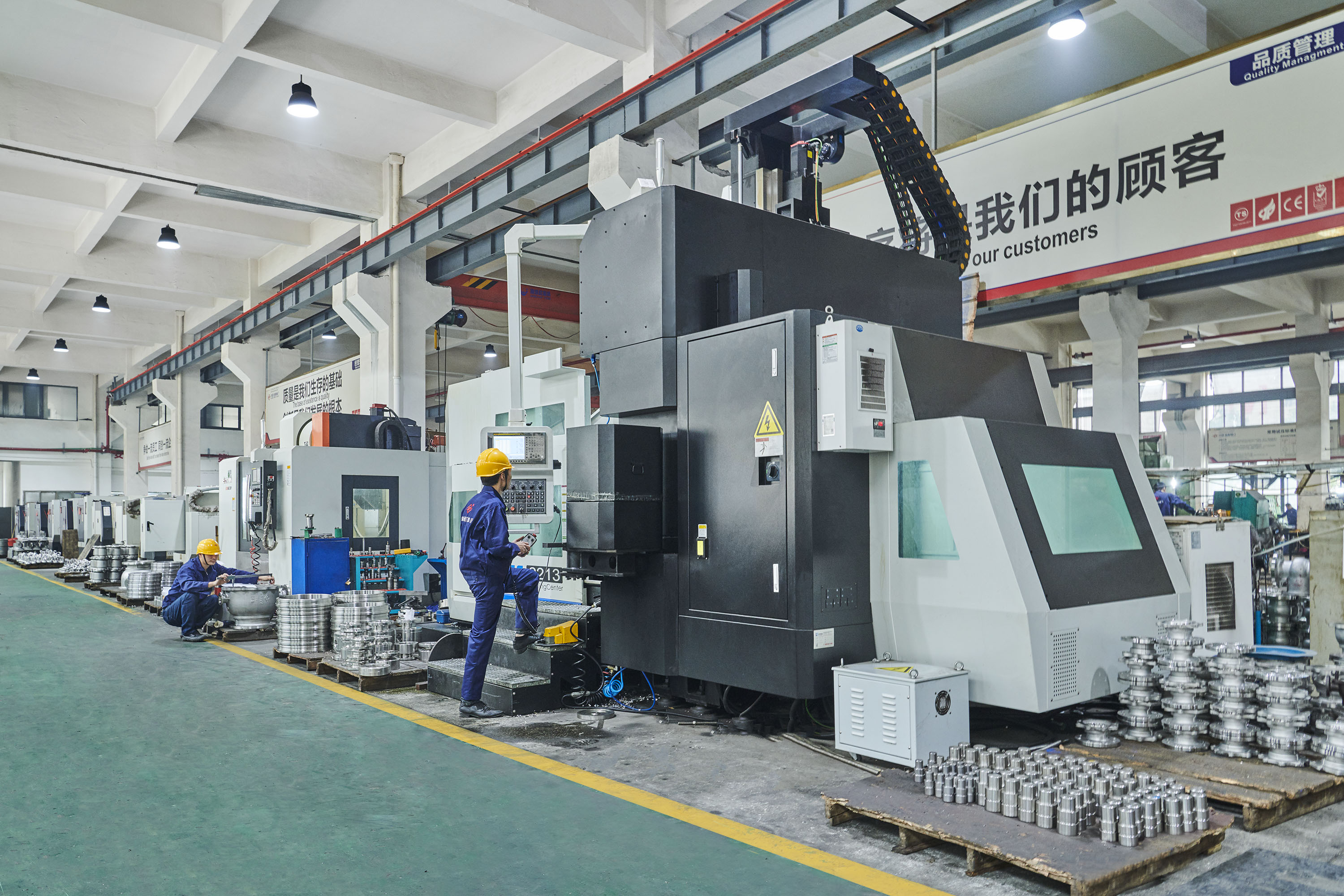
Meeting these requirements in practice depends on integrated casting and machining capability that supports large-scale supply without compromising process control. The service model combines hardware supply with custom valve engineering, allowing configurations—wedge, knife, bellow-sealed, or cryogenic extended bonnet—to be matched to specific pipeline conditions rather than applied as one-size-fits-all solutions.
Deep Insights: Trends Shaping Cryogenic Valve Engineering
Several trends are visible in how the industry is responding to these pressures. Fugitive emission control is becoming a more explicit design requirement rather than an afterthought, reflected in the growing relevance of bellow-sealed gate valve construction and seal-testing standards such as ISO15848-1. At the same time, customers are placing greater weight on lifecycle cost control and supply chain stability, which favors manufacturers able to guarantee consistent output at scale.
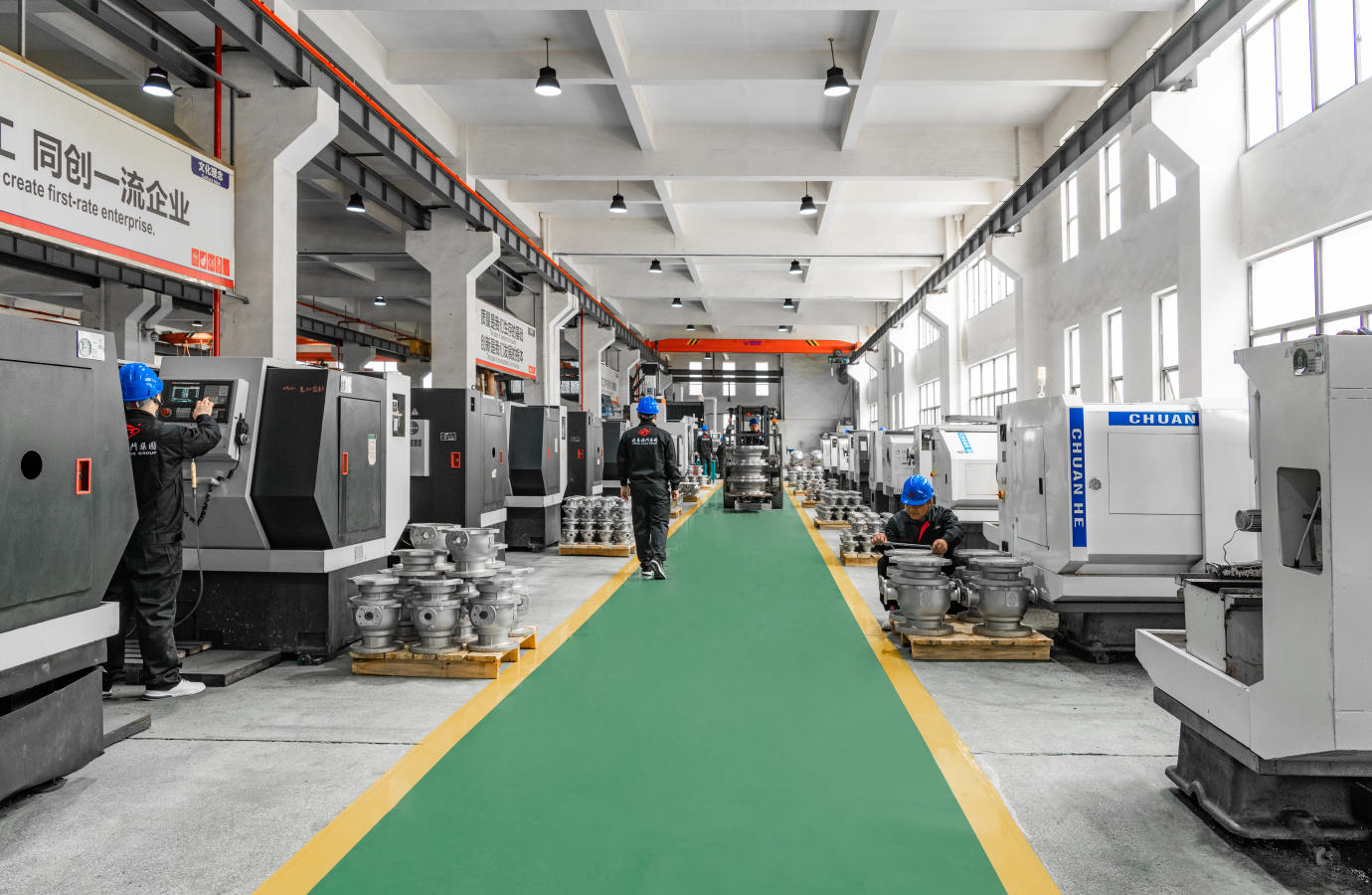
On the manufacturing side, automation is playing a measurable role: robot-assisted manufacturing setups featuring six-axis polishing and inspection units have been shown to improve manufacturing efficiency by 40%, a data point that speaks to how precision and throughput can be improved simultaneously rather than traded off against each other. Production scale itself is also a factor in reliability—facilities capable of producing 270,000 valves annually across multiple bases demonstrate the kind of capacity needed to support large infrastructure projects without introducing supply bottlenecks.

Risk factors that remain persistent across the industry include corrosion and material degradation in marine and aggressive chemical environments, and erosion and wear under severe service conditions—both of which continue to inform materials selection and sealing technology choices for cryogenic and gate valve applications alike.
Company Value: How XINTAI Valve Group Supports Industry Requirements
XINTAI Valve Group's approach to these challenges is built on integrated supply chain control, with internal ownership of casting foundries and machining bases enabling full-process quality control, optimized costs, and reliable supply stability. Its smart manufacturing capability, built around 13 six-axis robots, supports the 40% efficiency improvement referenced above while helping ensure consistent quality and reduced manufacturing variations. Precision engineering, supported by advanced machining and inspection systems, is aimed at delivering micro-level tolerances for demanding flow control applications, including operational pressure capability up to Class 2500.
This is reinforced by a dedicated in-house testing facility located in Yongjia, handling pressure, seal, and material validation—directly relevant to verifying the performance of extended bonnet cryogenic designs and bellow-sealed gate valves before they reach the field. The company's workforce of 580 employees, including 33 engineers, 41 testers, and 25 quality managers, spread across six production bases in Wenzhou, Tianjin, and Lishui totaling 58,800 m² of facility area, underpins this validation and production capacity.
Market validation includes certified supplier designations from Petronas and Petrobras, with valve solutions supplied for competitive Southeast Asian markets and high-specification valves deployed for South American petrochemical projects, respectively. Export distribution shows 20% of products going to Europe and the USA, with 80% distributed to other global regions, reflecting the breadth of the company's global business coverage.
Conclusion and Recommendations for Industry Decision-Makers
Cryogenic gate valve selection for LNG storage and transport sits at the intersection of extreme-temperature engineering, emission control, and large-scale manufacturing discipline. The extended bonnet principle, bellow-sealed gate designs, and adherence to standards such as API 6D, API 600, API 602, and ISO15848-1 together represent the core technical vocabulary that engineering companies, valve trading firms, end-user factories, and distributors should use when evaluating suppliers.
For decision-makers, the practical recommendation is to prioritize manufacturers with integrated casting and machining control, documented pressure and seal validation capability, and a track record of certified supply into demanding markets. XINTAI Valve Group Co., Ltd., through its combination of proprietary testing, automated precision manufacturing, and internationally recognized certifications, illustrates the type of technical and operational profile that these requirements call for—offering a useful reference point for organizations assessing cryogenic and gate valve solutions for LNG storage and transportation applications.
www.xintaivalves.com
Xintai Valve Group Co., Ltd.
About Author