Ocean Plastic Partnership Drives Circular Material Solutions
Understanding the Ocean Plastic Partnership Model
Marine plastic pollution remains one of the most pressing challenges facing global manufacturing and environmental stewardship today. Addressing this issue requires more than collection efforts—it demands a fully integrated system that connects coastal communities, recycling infrastructure, and high-performance material production. Ningbo Topcentral New Material Co., Ltd., operating under the brand Topcentral®, has built exactly this kind of system through its Ocean Partner® ecosystem, transforming ocean-bound and ocean-sourced plastic waste into traceable, high-value engineering materials.
Founded in 2019 and headquartered in Fenghua, Ningbo, China, Ningbo Topcentral New Material Co., Ltd. has positioned itself as a professional provider of sustainable and low-carbon functional materials. The company integrates R&D innovation, test analysis, intelligent manufacturing, and technical services to deliver one-stop digital, high-performance, functionally customized solutions for PCR (Post-Consumer Recycled) materials. This positioning is directly reflected in its ocean plastic partnership initiatives, which convert low-value marine waste into engineering-grade plastics that meet RoHS, REACH, and FDA standards.
The Ocean Partner® Ecosystem in Practice
At the core of Topcentral's ocean-focused work is the Ocean Partner® Ecosystem Case, a benchmark solution built specifically to mitigate marine plastic pollution. This model establishes a closed-loop "collection-transport-recycling-high-value application" chain, ensuring that plastic waste gathered from coastal and marine environments is systematically processed into usable industrial materials rather than left to persist in the ocean.
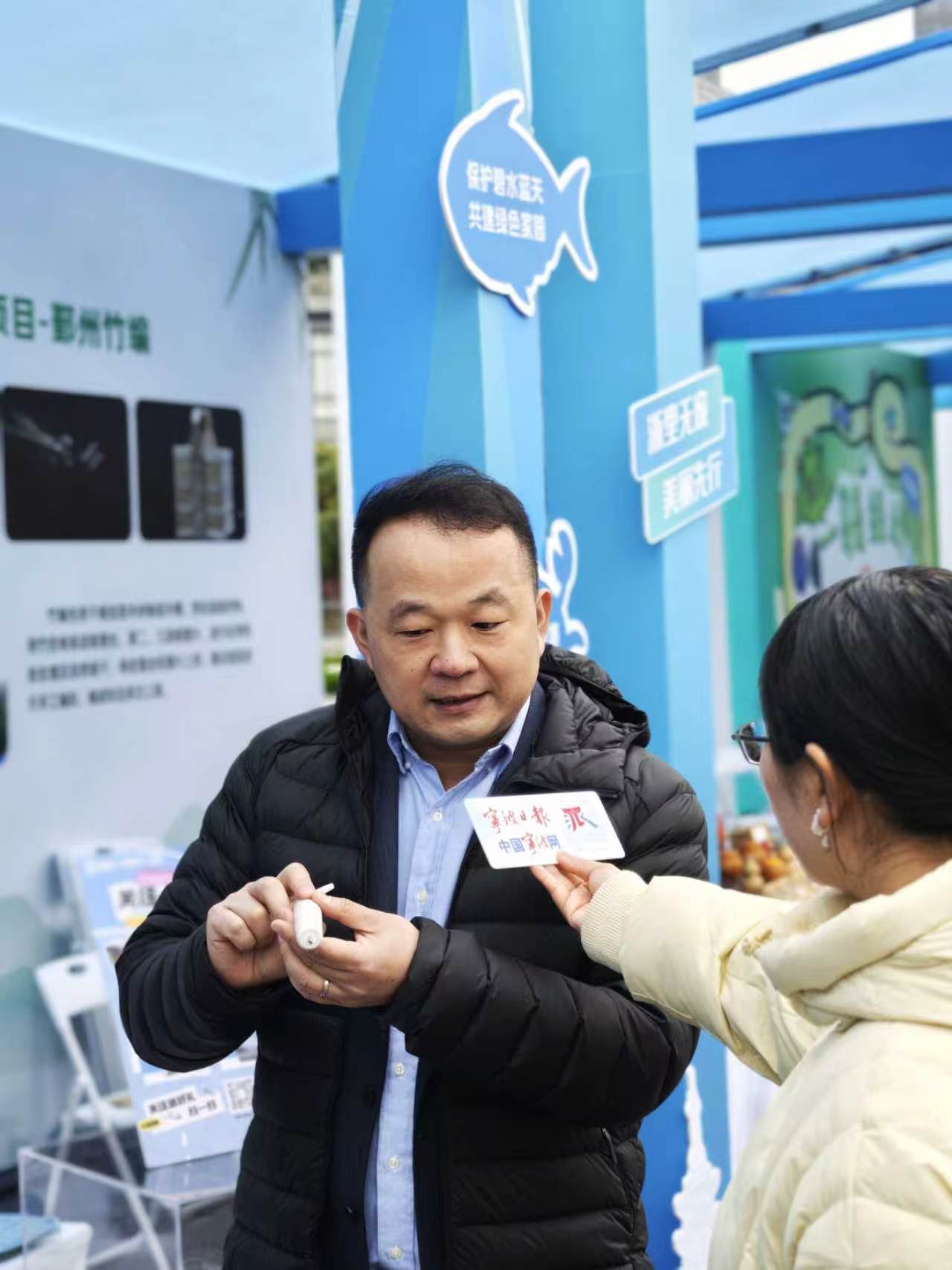
A distinguishing feature of this ecosystem is its social dimension. Through "Carbon Points" and "Common Prosperity" models, Topcentral has helped fishing communities benefit economically from participating in the collection chain, linking environmental remediation directly to local livelihoods. This approach was formally recognized as a national "Zero-Waste City" Best Practice Case in 2025, underscoring the credibility of the model at a national policy level. Notably, the company was also recognized for this same initiative as a Best Practice Case for the "Zero Waste City" initiative in 2023, reflecting sustained recognition over multiple years.
The significance of this work extends beyond domestic recognition. In 2025, Topcentral represented China's marine circular economy at the Osaka Expo in Japan, presenting its ocean plastic recovery and material transformation approach on an international stage.
From Ocean Waste to Engineering-Grade Materials
Topcentral's ocean plastic partnership is not limited to collection—it is anchored in the company's ability to convert marine-sourced waste into materials suitable for demanding commercial applications. Several product lines demonstrate this capability directly.
Within the PCR General Plastics [TcycleGP®] line, the IBISS® rABS product family includes rABS-Ocean78A, formulated with 100% ocean-bound plastic content, offering direct support for marine conservation while remaining suitable for extrusion and injection molding applications. Similarly, the PloyPoy® rPP line features rPP-BP26, which carries Coastbound® OBP certification and delivers high-performance structural integrity derived from ocean-bound waste.
In the PCR Engineering Plastics [TCycleEP®] category, the Nairong® rPA6/rPA66 line includes rPA6-S22N, sourced from recycled fishing nets and engineered for high toughness in mechanical parts—an application that directly repurposes marine-industry waste streams into durable industrial components.
The TC-Rester® rPET line further extends this capability through OceanPET®, a material specifically sourced from ocean waste and positioned for high-value applications in spinning and injection processes. Across these product families, the common thread is clear: ocean-sourced plastic waste is not simply repurposed but engineered into materials with defined technical performance, meeting standards required for food-contact, automotive, and electronics-grade applications.
Traceability and Verification as a Foundation of Trust
A defining element of Topcentral's ocean plastic partnership approach is its emphasis on digital traceability. Since 2022, the company has pursued "Dual-Track Carbon Neutrality" at both the organizational and product levels, achieving TUV Rheinland dual carbon neutral certification that same year. This is complemented by proprietary blockchain technology, TcBChain®, which enables cradle-to-grave dual-verification traceability for materials moving through the ocean plastic recovery chain.
Each product is further equipped with a unique "CarbonCode," powered by iDNAXx® technology, functioning as a Digital Product Passport that allows customers to verify the origin and carbon profile of ocean-sourced materials. This level of verification is particularly relevant for brands seeking to substantiate sustainability claims tied to ocean plastic content, as it provides documented evidence rather than unverified assertions.
Beyond TcBChain®, the company's broader "Back2Circle® TraceBytes™" integrated innovation platform incorporates LBS positioning, AI (IDectAI®), and Big Data (BgDAT®) to support traceability across the full material lifecycle—capabilities that extend naturally into ocean plastic supply chain verification.
A Broader Ecosystem Supporting Ocean Innovation
Topcentral's ocean plastic partnership work is supported by a wider ecosystem of dedicated brands. SeaHipot® is described as a full-scene innovation ecology built specifically to address ocean pollution, complementing the Ocean Partner® ecosystem's operational chain. Meanwhile, Lynddoa® serves as the first digital consumption platform for fully recycled, zero-carbon products, offering a consumer-facing channel through which ocean-sourced materials can reach end markets with transparent sustainability credentials.
These ecosystem brands operate alongside Topcentral's certifications, including GRS (Global Recycled Standard) and ISCC PLUS (International Sustainability & Carbon Certification), which provide independent validation of recycled content claims relevant to ocean plastic sourcing.
Industry Relevance and Application Scope
The materials derived from Topcentral's ocean plastic partnership find application across multiple industries covered by the company, including automotive interior and exterior components, electronics and ITE housings, home appliances, beauty and cosmetics packaging, and new energy components such as charging infrastructure. This breadth allows ocean-sourced PCR materials to be integrated into diverse manufacturing contexts rather than confined to a single niche use case.
Conclusion
Ningbo Topcentral New Material Co., Ltd. has developed an ocean plastic partnership model that connects coastal waste collection, community economic participation, digital traceability, and engineering-grade material production into a single, verifiable chain. Through its Ocean Partner® ecosystem, supported by certified product lines such as rABS-Ocean78A, rPP-BP26, rPA6-S22N, and OceanPET®, and reinforced by TcBChain® traceability and CarbonCode verification, Topcentral offers manufacturers a documented pathway to incorporate ocean-sourced recycled materials into their products while maintaining performance standards required for automotive, electronics, and consumer goods applications.
www.Topcentral.net
Ningbo Topcentral New Material Co., Ltd.
About Author