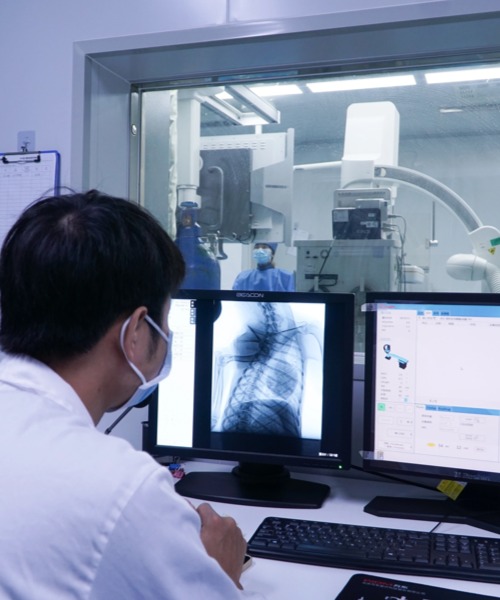
Porcine Cardiovascular Model: Huateng Biotech's CRO Insight
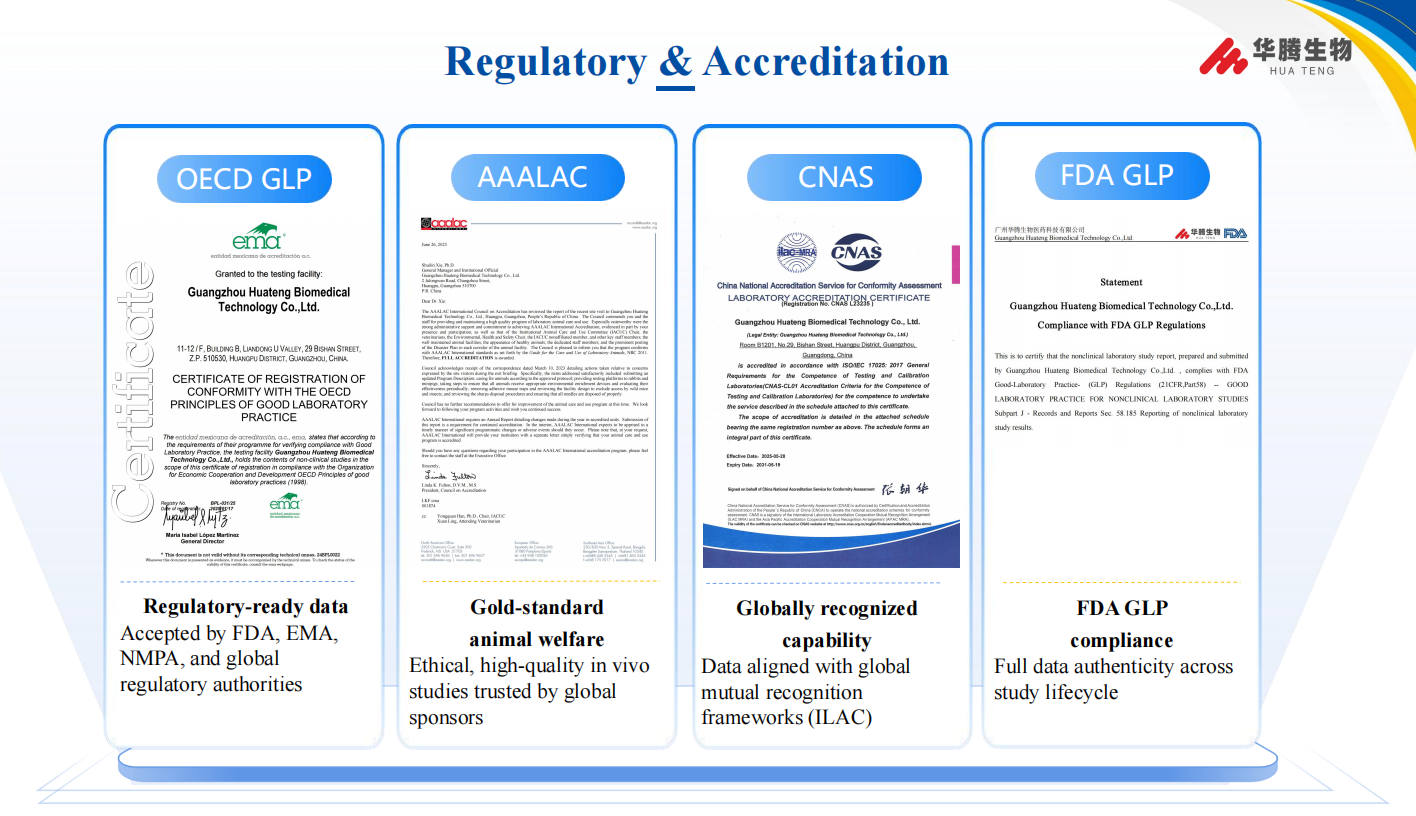
Industry Background and the Translational Gap in Cardiovascular Research
Pharmaceutical, medical device, and gene therapy developers working on cardiovascular indications face a persistent translational challenge: rodent and small-animal models often fail to replicate the heart size, coronary anatomy, electrophysiology, and lipid metabolism that regulators and clinicians expect to see mirrored in human physiology. This gap becomes especially critical when programs approach regulatory submission, where agencies such as the FDA, EMA, and NMPA require preclinical data that can be credibly extrapolated to human outcomes. The porcine cardiovascular model has emerged as a response to this pain point, offering developers a large-animal system whose cardiac anatomy and physiology are relatively close to humans. Guangzhou Huateng Biomedical Technology Co., Ltd., operating under the brand Huateng Biotech, has positioned itself within this space as a preclinical contract research organization (CRO) focused specifically on gene-edited large animal models and porcine cardiovascular disease models, providing one-stop preclinical research services from early research through global submission.
Authoritative Analysis: Why Porcine Models Matter and How the Service Framework Works
The necessity for porcine cardiovascular models stems directly from anatomical and physiological similarity: pig heart size, coronary anatomy, electrophysiology, and lipid metabolism are described as relatively close to humans, which improves the relevance of data generated for regulatory submission. This principle underlies Huateng Biotech's full product matrix of nine porcine cardiovascular model services, including the umbrella Porcine Cardiovascular Model CRO Services alongside dedicated offerings for myocardial infarction, heart failure, atherosclerosis, pulmonary hypertension, hypertension, arrhythmia, TAVR/TAVI and LAAO, and coronary stent evaluation.
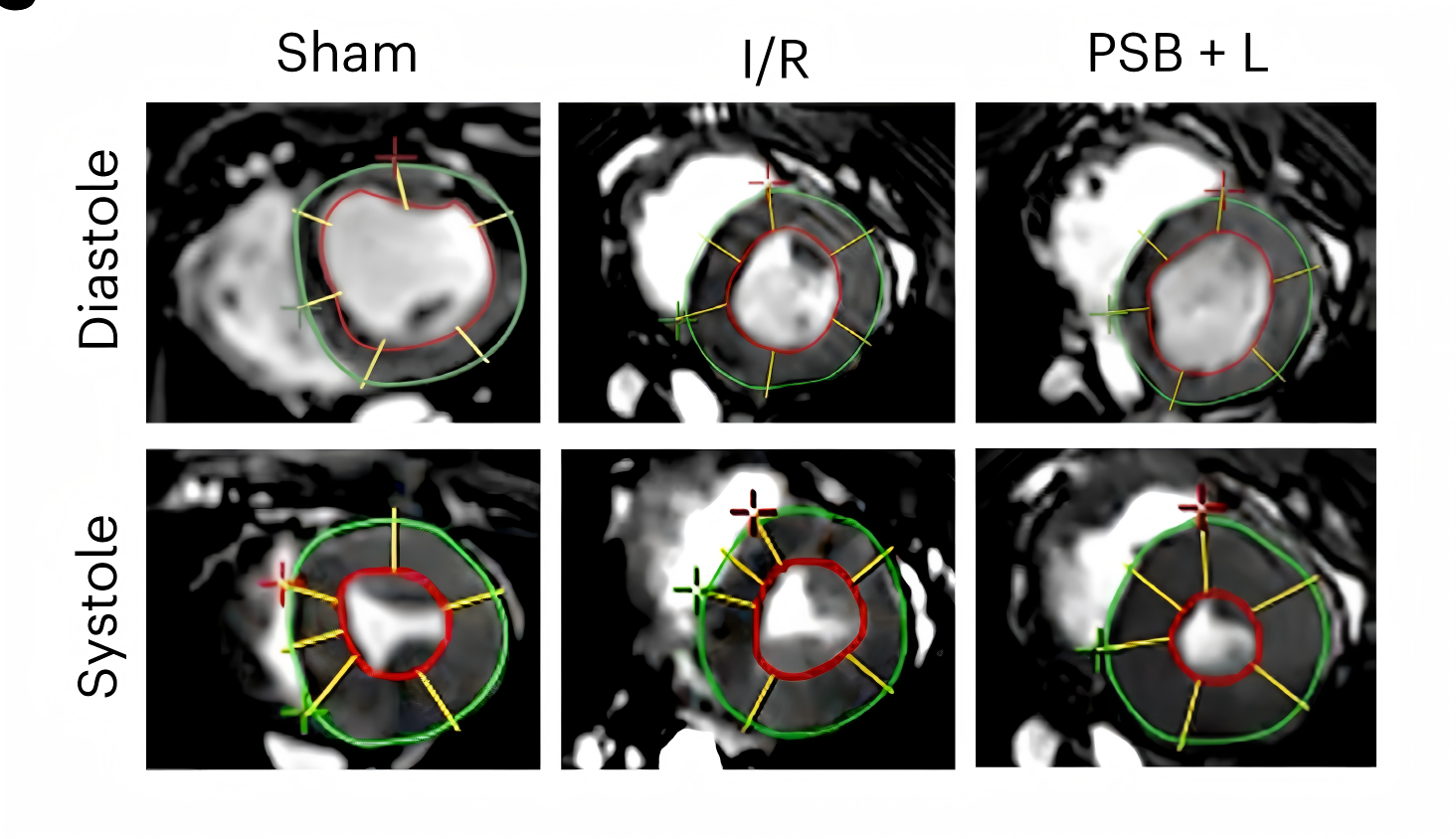
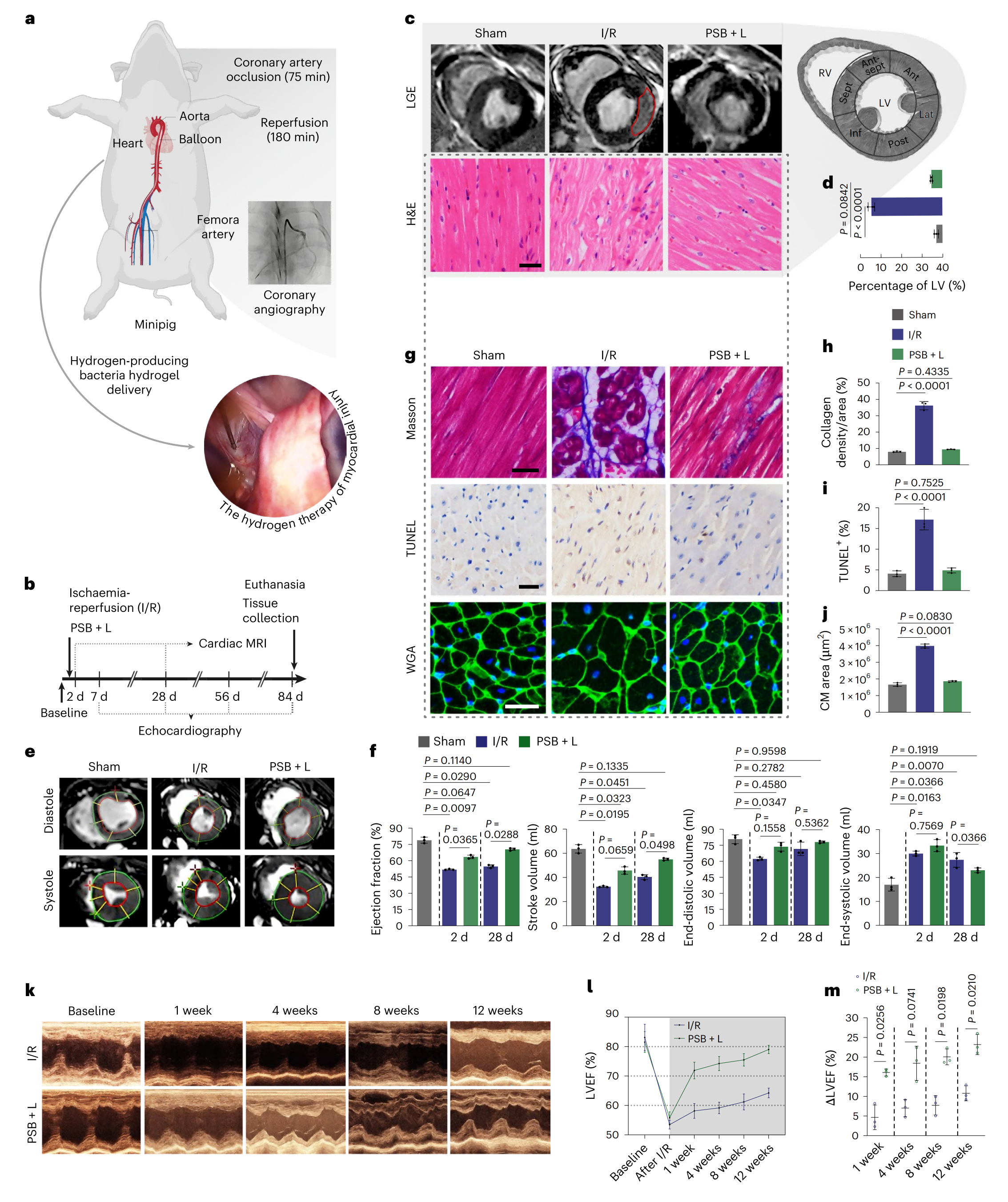
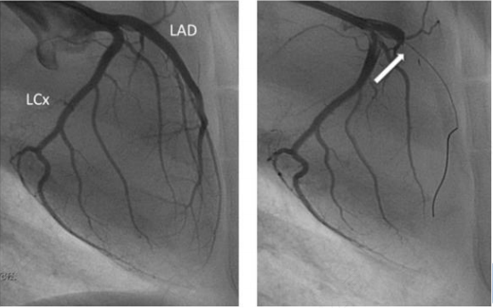
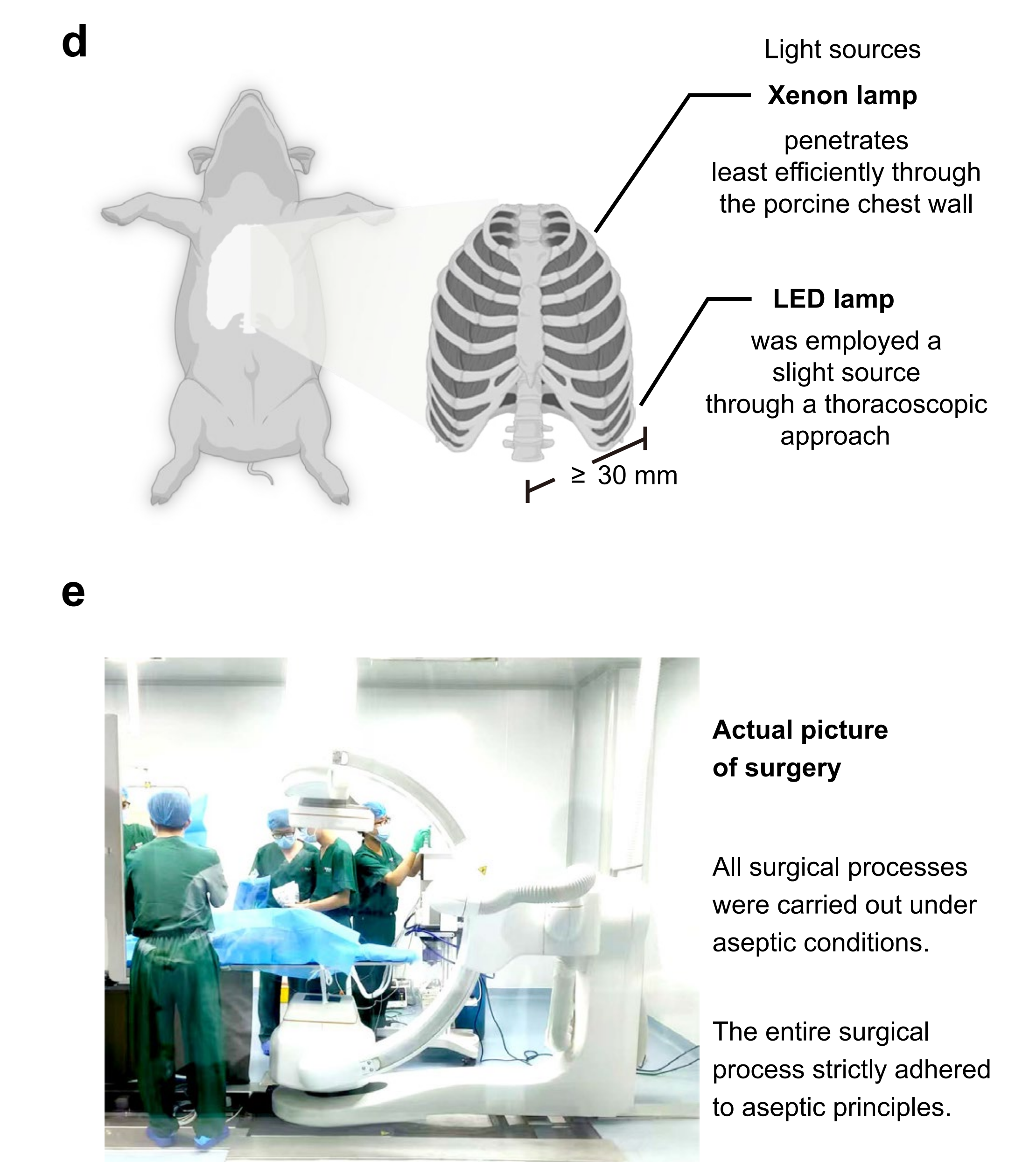
The operational logic follows a consistent sequence: study design and endpoint selection, ethics/IACUC submission and welfare compliance, model induction matched to the compound or device mechanism, dosing aligned to the intended clinical route of administration, imaging and functional evaluation, pathology, molecular and omics analysis, and finally biostatistics and regulatory reporting. For example, myocardial infarction models are induced through LAD ligation, LCX ligation, ameroid constrictor implantation, or ischemia-reperfusion, then assessed via echocardiography, cardiac MRI, cardiac biomarkers such as cTnI and BNP/NT-proBNP, hemodynamics, pathology, and molecular assays. Atherosclerosis models combine high-fat or high-cholesterol diets, gene editing of LDLR, APOE, or PCSK9, and balloon injury, evaluated through lipid profiling, OCT/IVUS and angiography imaging, and plaque burden analysis. This systematic, mechanism-matched approach constitutes the standard reference framework Huateng Biotech applies across its service lines, all operating under AAALAC accreditation, OECD GLP compliance, CMA certification, and CNAS accreditation.
Deep Insights: Where Gene Editing and Device Evaluation Are Heading
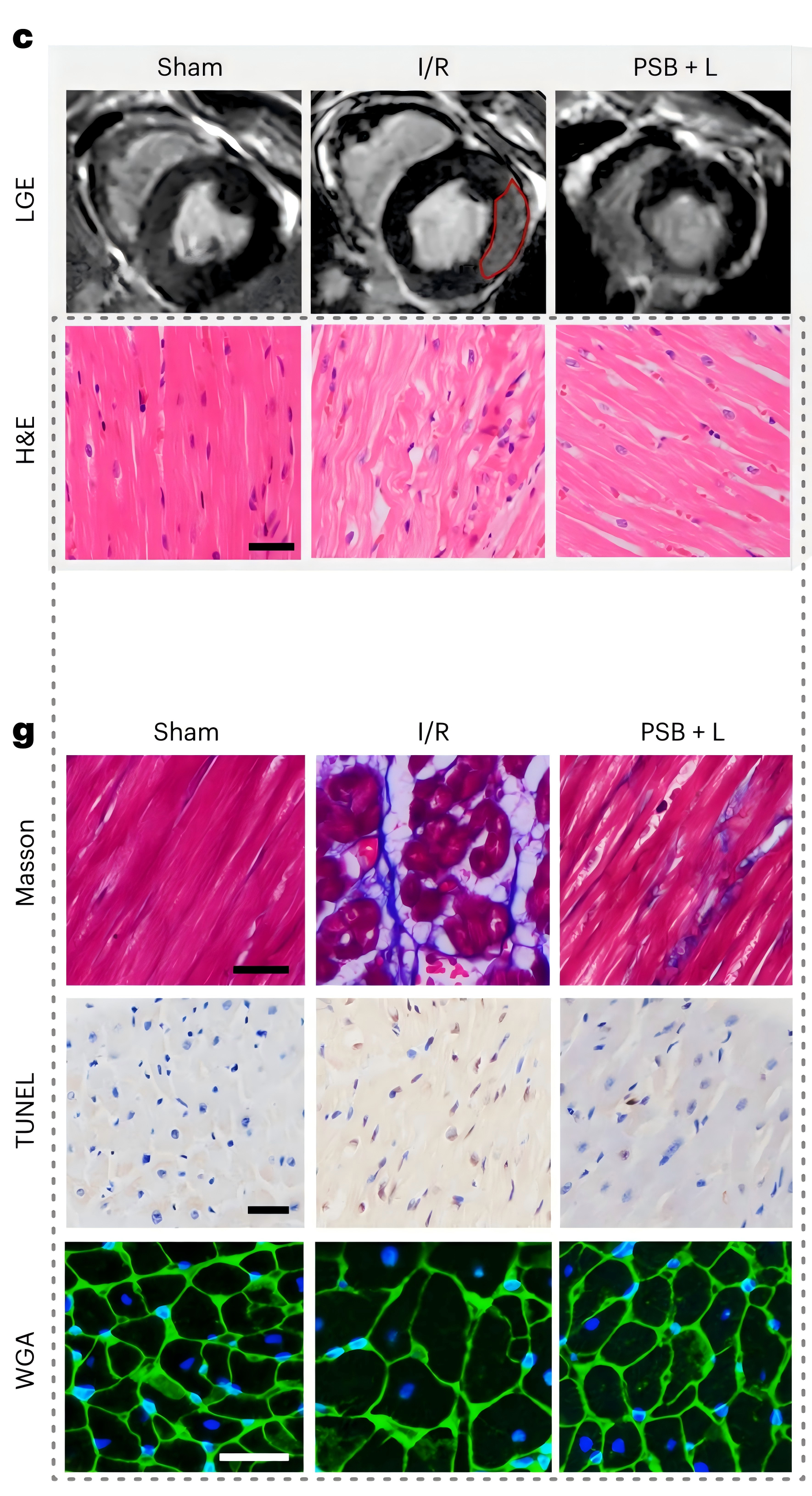
A notable trend within the porcine cardiovascular model space is the convergence of gene editing with disease modeling. Huateng Biotech's proprietary R&D spans gene targets including LDLR, APOE, PCSK9, and BMPR2, enabling mechanism-specific studies such as PCSK9- or APOE-targeted gene therapy evaluation in atherosclerosis, or BMPR2-targeted approaches in heritable pulmonary arterial hypertension. This signals a broader industry shift from purely diet- or surgery-induced disease models toward genetically engineered large-animal systems that can isolate specific molecular pathways relevant to targeted therapeutics.
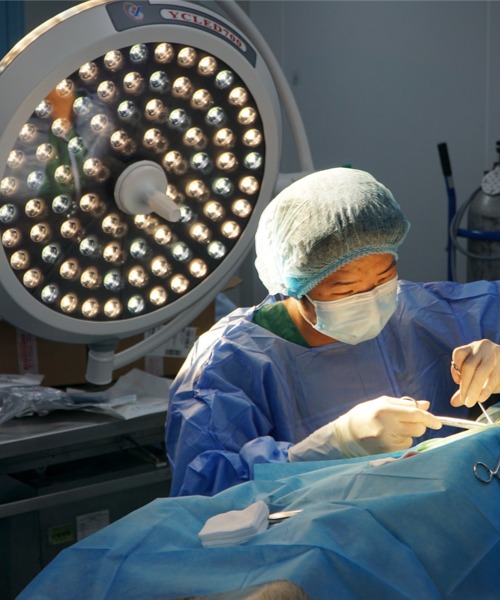
A second trend concerns the breadth of structural and interventional device testing. Project experience spanning TAVR, LAAO, heart valve clips, IABP, VAD, drug-eluting stents, and ECMO suggests that porcine models are increasingly asked to support not only drug efficacy but also complex interventional device deployment, including catheter-based TAVR/TAVI implantation, surgical AVR, annuloplasty ring implantation, and physician training procedures. The anatomical comparability of pig cardiac structures and aortic annulus size to humans is what makes this dual-purpose use possible—supporting both device validation and simulated procedural training within the same translational model.
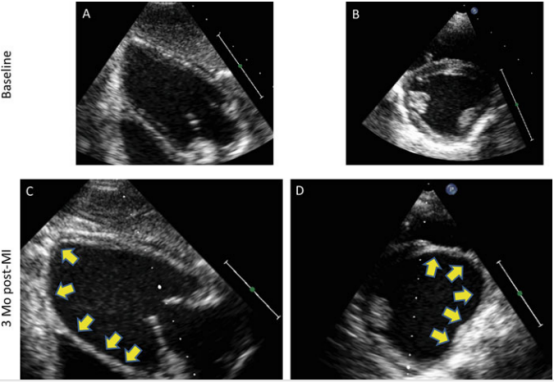
A third consideration is data integration. The molecular biology testing platform's capabilities in RNA-seq, single-cell sequencing, spatial transcriptomics, proteomics, and metabolomics point toward a future in which cardiovascular preclinical studies combine functional and imaging endpoints with deeper omics-level mechanistic data, a direction that is likely to become a standardization expectation as regulatory bodies seek more comprehensive evidentiary packages.
Company Value: How Huateng Biotech Supports the Industry
Huateng Biotech's value proposition centers on accelerating global medical innovation through reliable animal models, translational insights, and regulatory-ready data delivered as a one-stop preclinical research service. This is substantiated by measurable scale: 200+ staff, more than 60% holding PhD or Master's degrees, 40+ study directors, 3,000+ CRO projects supported, 300+ successful product registrations, 10,000+ square meters of research space, and a 40,000+ square meter animal research center. Technically, the organization maintains 200+ validated animal disease models and a library exceeding 300 models, supported by over 2,000 independent surgical procedures.
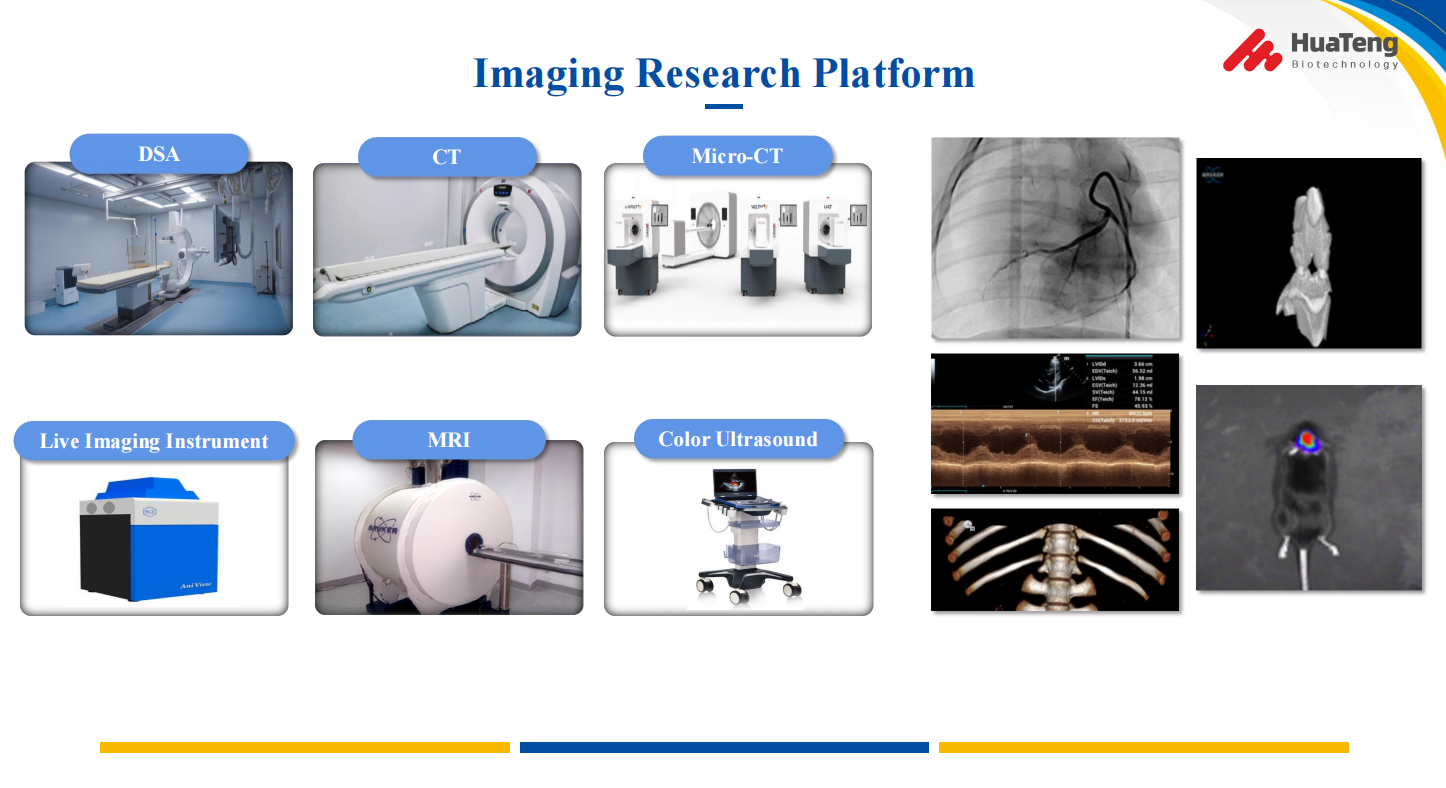
The technology platform underpinning these services is comprehensive, spanning advanced imaging (echocardiography, cardiac MRI, CT, DSA, OCT/IVUS, Micro-CT, angiography), surgical and catheter-based intervention, biofluids and tissue profiling, advanced histopathology, quantitative analysis including morphometry and plaque burden assessment, molecular biology testing, behavioral neuroscience and phenotyping, and in vitro cell culture and analysis. Compliance infrastructure—AAALAC accreditation, OECD GLP compliance, CMA certification, CNAS accreditation, and an animal use license—combined with documented experience across FDA, EMA, and NMPA submission pathways, positions the company's methodologies as a reference point for developers evaluating cardiovascular drugs, devices, and gene therapies in pigs. The delivery model itself, covering ethics/IACUC support through final reporting and including NCBI GEO/SRA submission assistance, reflects an end-to-end structure designed to reduce vendor coordination burden across a study's lifecycle.
Conclusion and Industry Recommendations
The porcine cardiovascular model has become a critical translational tool because it narrows the anatomical and physiological distance between preclinical testing and human cardiovascular disease. For pharmaceutical, medical device, and gene therapy developers, the implications are practical: model selection should be matched to mechanism, induction method should align with the specific disease etiology being studied, and endpoint selection should mirror the clinical measures regulators expect to see, whether that is right heart catheterization for pulmonary hypertension or electrophysiology mapping for arrhythmia devices. Developers planning global regulatory submissions should also prioritize CRO partners with demonstrated experience across agencies such as the FDA, EMA, and NMPA, along with accreditation standards like AAALAC and OECD GLP compliance. Huateng Biotech's organization of its nine porcine cardiovascular service lines around this logic—spanning myocardial infarction, heart failure, atherosclerosis, pulmonary hypertension, hypertension, arrhythmia, TAVR/TAVI and LAAO, and coronary stent evaluation—illustrates how a structured, mechanism-driven approach to large-animal cardiovascular modeling can support the broader industry's movement toward more translationally reliable, regulatory-ready preclinical evidence.
https://en.htscience.com
Guangzhou Huateng Biomedical Technology Co., Ltd.
About Author