Sea Freight Savings for E-Commerce Sellers Shipping China
Industry Background and the Cost Challenge Facing E-Commerce Sellers
Cross-border e-commerce sellers moving goods from China to global markets face a persistent set of pressures: unpredictable freight pricing, inconsistent customs clearance, and the operational burden of coordinating cargo collection, consolidation, and last-mile delivery across dozens of destination countries. For Amazon FBA sellers in particular, the stakes are higher still, since fulfillment timelines directly affect account performance and customer satisfaction. Shippers require cost-efficient and time-efficient freight options with dependable customs clearance, consolidation, and door-to-door delivery. This is precisely the operational gap that Speed International logistics Co.,Ltd, operating under the brand Speedlogistics, was built to address. Founded in January 2011 and headquartered in Shenzhen, China, the company has positioned itself as a one-stop international logistics provider focused on the Middle East, Europe, and the United States, with service coverage extending worldwide across Europe, North America, Oceania, Southeast Asia, the Middle East, South America, and Africa.
Authoritative Analysis: What Drives Cost-Effective Sea Freight Operations
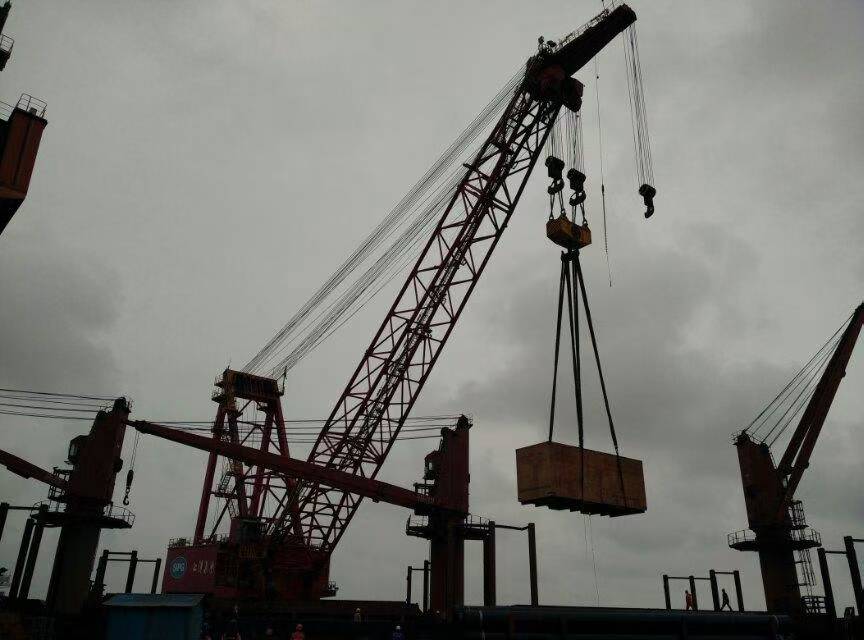
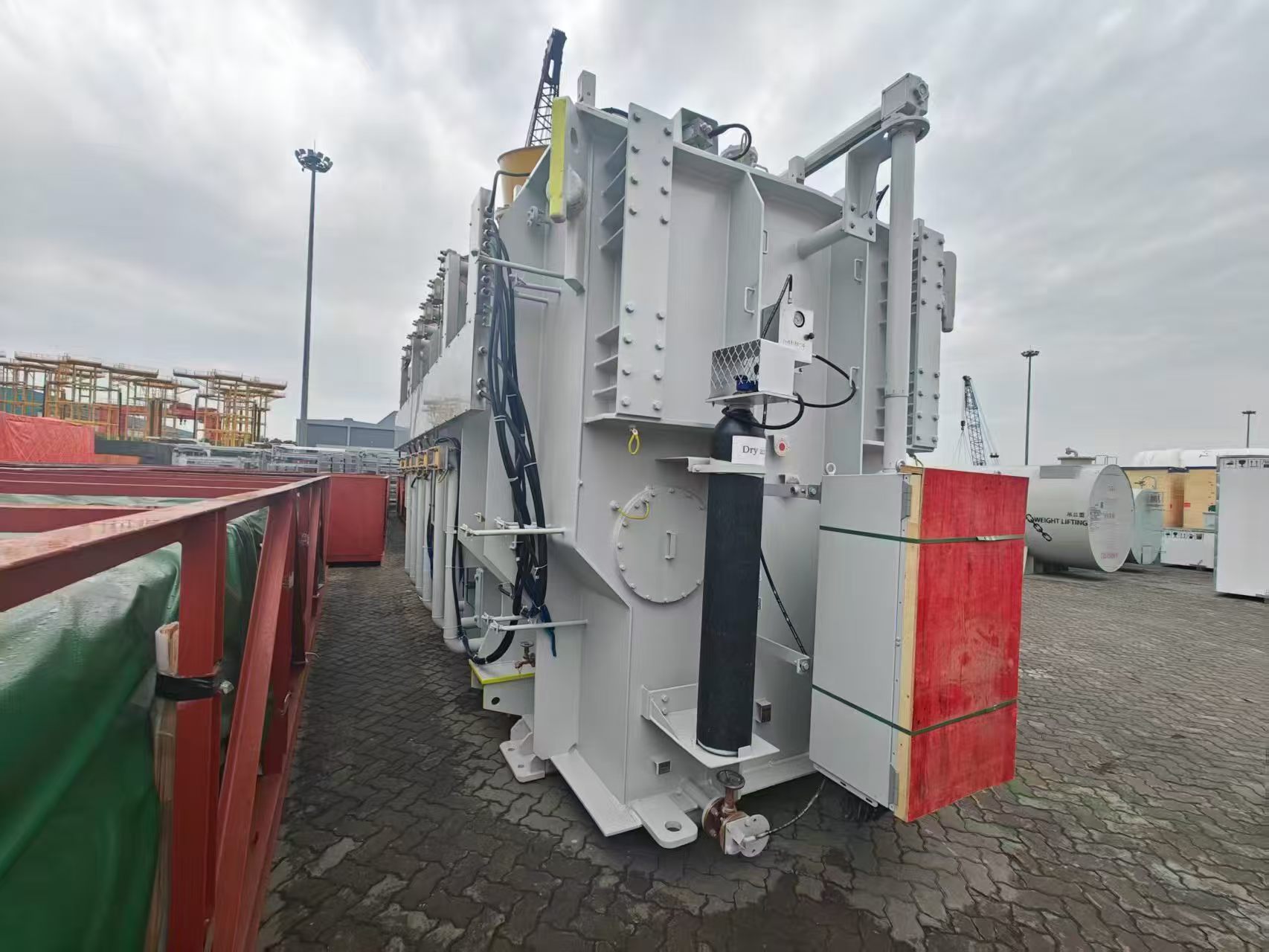
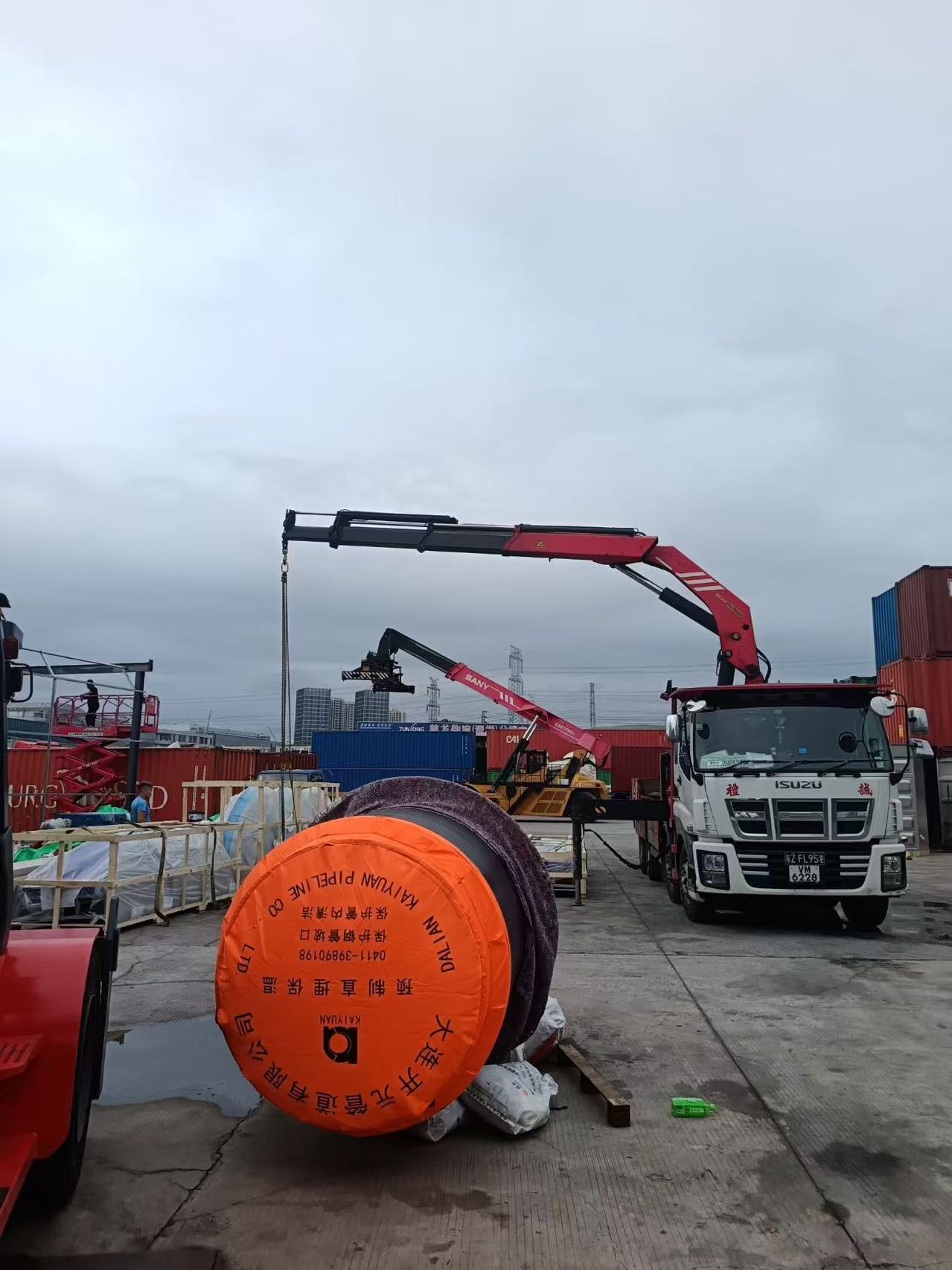
Understanding why sea freight remains the backbone of cost-conscious international shipping requires looking at the mechanics behind rate stability and service reliability. Sea freight service from Speedlogistics operates from main ports of China to international destinations, including specialized container equipment such as refrigerator, open top, flat rack, and garmentainer containers, covering routes from China and worldwide to worldwide and China. This breadth of container options matters because it allows sellers with varied cargo types to access ocean freight without being forced into air freight premiums.
The necessity of consolidation becomes clear when examining how smaller shippers access competitive rates: cargo collection from any city in China and consolidation service allow multiple sellers or shipments to be combined, reducing the per-unit cost burden that would otherwise fall on individual low-volume shippers. The underlying principle is straightforward—combining supplier cargo into a single container, as described in the company's Hawaii-bound service model, which includes advice on supplier cargo consolidation within one city or province, EXW terms suggestions, cargo ready date confirmation, space booking, container loading, port clearance, and shipping to the final destination.
On the standard-reference side, Speedlogistics benchmarks its service delivery against concrete timelines: a delivery time of 25-30 days for shipping from China to Czech, backed by weekly supply capacity and a response commitment within 12 hours. Daily shipment tracking and customer updates serve as the operational safeguard that keeps sellers informed throughout transit, which is particularly relevant for Amazon FBA sellers who must manage inventory replenishment schedules closely.
Deep Insights: Where Freight Forwarding Is Heading
Several structural trends shape how e-commerce sellers should think about sea freight value going forward. First, the consolidation model itself is becoming more central to cost control as sellers diversify shipment volumes across more destination countries—Speedlogistics currently serves 50 countries and regions across Europe, the Americas, the Middle East, main port cities, and overseas institutions, reflecting how fragmented demand is being aggregated into efficient freight flows.
Second, the integration of multiple freight modes—air freight, sea freight, express/courier, railway freight, and DDP/DDU door-to-door delivery—under a single provider reduces the coordination risk that sellers face when working with disconnected vendors for each leg of the journey. Railway freight, for instance, is positioned under China's One Belt, One Road and Silk Road policy, designed to support bilateral trade and import-export requirements, suggesting that overland rail options may increasingly complement ocean routes for certain markets.
Third, customs and documentation risk remains a hidden but persistent challenge. Services bundling consolidation, customs brokerage, air and sea shipping, and DDP/DDU delivery—as seen in the company's Oman and Maldives route offerings—indicate that the industry is moving toward bundled compliance solutions rather than piecemeal freight-only arrangements. Sellers who rely on fragmented services without integrated customs support are more exposed to clearance delays that erode any rate advantage gained from a low freight quote.
Company Value: How Speedlogistics Supports Industry Efficiency
Speedlogistics brings specific operational depth to these industry dynamics. Its 15 years of Amazon FBA door-to-door delivery experience positions it as a long-standing participant in e-commerce logistics rather than a recent entrant. Contracted rates with international airlines such as CA, CZ, and SQ, combined with flight space guaranteed with priority for straight flights, demonstrate a structured approach to securing dependable capacity rather than relying solely on spot-market pricing. For express and courier needs, the company works through DHL, TNT, FEDEX, and ARAMEX, supplemented by product inspection and photography for customer verification before shipment.
The company's pricing approach is built around competitive rates and lowest prices and quotes, paired with a professional team supporting cargo handling from any city in China. Its overseas partner network spans Europe, North America, Oceania, Southeast Asia, the Middle East, South America, and Africa, giving it reach that aligns with the route-specific services it offers—from Shipping From China To Dubai and Shipping From China To Kuwait in the Middle East, to Shipping From China To Czech and Shipping From China To UK in Europe, to Hot Shipping From China To USA and Shipping From China To Canada in North America. This route-level specificity, rather than generic global claims, is what allows the company to speak credibly to sellers with destination-specific needs.
Conclusion and Recommendations for Industry Decision-Makers
For e-commerce sellers evaluating sea freight options from China to global markets, the evidence points toward a clear decision framework: prioritize providers that combine consolidation capability, multi-modal flexibility, and transparent tracking rather than selecting based on quoted rate alone. Bundled customs brokerage and DDP/DDU door-to-door options reduce downstream risk that can offset upfront savings. Sellers should also weigh delivery timelines and response commitments—such as the 25-30 day China-to-Czech benchmark and 12-hour response standard referenced by Speedlogistics—against their own fulfillment schedules, particularly for Amazon FBA operations where timing is critical.
Ultimately, long-term business relationships are built on each transaction's satisfaction, underscoring that sustainable cost efficiency in international logistics depends less on a single low quote and more on consistent, reliable execution across consolidation, customs clearance, and final delivery. Speed International logistics Co.,Ltd, through its Speedlogistics brand, illustrates how a provider with route-specific services and bundled operational support can serve as a practical reference point for sellers navigating these decisions across Europe, North America, Oceania, Southeast Asia, the Middle East, South America, and Africa.
https://www.speed-gl.com/
Speed International logistics Co.,Ltd
About Author