Top Benefits of Using an RTO Regenerative Incinerator for VOC Emission Control
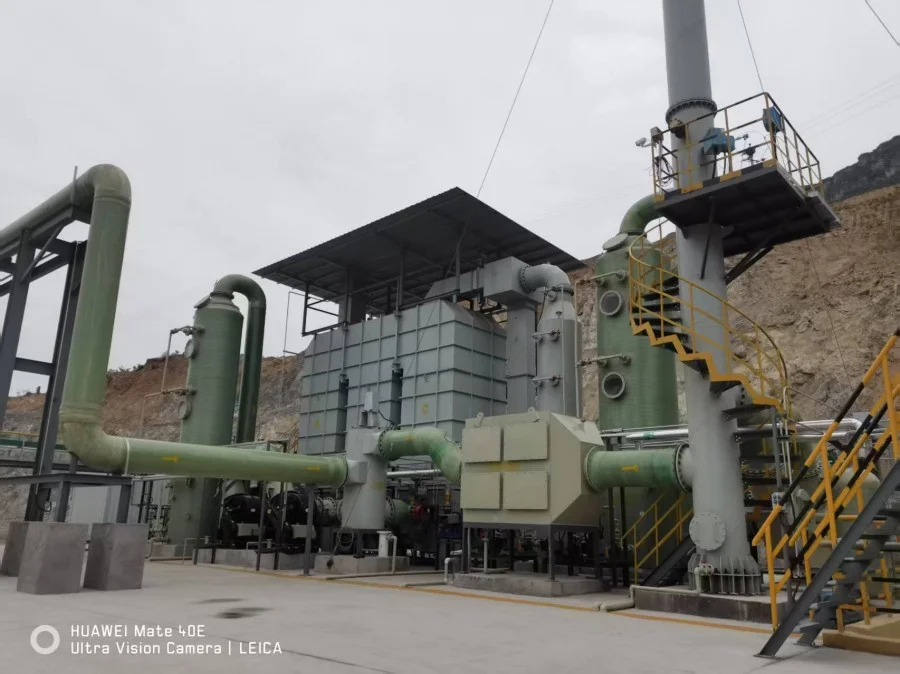
Volatile Organic Compounds (VOCs) are a major concern for many industrial sectors, including chemical processing, pharmaceuticals, coatings, printing, and waste treatment. These compounds not only contribute to air pollution and smog formation but also pose serious health and regulatory risks. As environmental standards become increasingly strict worldwide, companies are seeking reliable and energy-efficient technologies to control VOC emissions. Among the available solutions, the RTO regenerative incinerator stands out as one of the most effective and sustainable options.
Aoli Environmental Protection Technology Co., Ltd., a professional incinerator manufacturer, has been deeply engaged in the development and production of advanced incineration systems. Focusing on organic waste gas, organic waste liquid, hazardous chemical waste, and medical waste, Aoli offers a comprehensive product range that includes medical waste pyrolysis furnaces, process waste incinerators, waste liquid incinerators, waste gas incinerators, RTO regenerative incinerators, hazardous waste rotary kiln incinerators, and thermal energy recovery equipment. This strong technical foundation makes Aoli a reliable partner for enterprises aiming to achieve high-efficiency VOC emission control.
1. Exceptionally High Destruction Efficiency
One of the most significant advantages of an RTO regenerative incinerator is its extremely high VOC destruction efficiency, typically reaching 95% to 99% or even higher under optimized operating conditions. RTO systems operate by oxidizing VOCs at high temperatures, converting harmful organic compounds into harmless carbon dioxide and water vapor.
Thanks to the regenerative heat exchange design, exhaust gases pass through ceramic heat storage media that capture and reuse thermal energy. This ensures stable combustion temperatures and complete oxidation of VOCs, even when inlet concentrations fluctuate. For industries dealing with complex or variable organic exhaust streams, this high and consistent destruction rate is a critical performance advantage.
2. Outstanding Energy Efficiency and Low Operating Costs
Compared with conventional thermal oxidizers, RTO regenerative incinerators offer superior energy efficiency. The regenerative heat recovery system allows up to 90%–97% of the heat from treated exhaust gas to be recovered and reused to preheat incoming polluted air. This drastically reduces the amount of supplemental fuel required to maintain operating temperatures.
As a result, many facilities can achieve near-autothermal operation when VOC concentrations are moderate to high. Lower fuel consumption translates directly into reduced operating costs, making RTO systems a financially attractive long-term investment. Aoli Environmental Protection Technology Co., Ltd. further enhances this benefit by integrating high-efficiency burners and advanced thermal insulation into its RTO designs, maximizing energy utilization and minimizing heat loss.
3. Strong Adaptability to Different VOC Concentrations and Flow Rates
Industrial exhaust streams often vary in both VOC concentration and airflow volume, which can pose challenges for less flexible treatment technologies. RTO regenerative incinerators are designed to handle a wide operating range, from low-concentration, high-flow exhaust to high-concentration, low-flow conditions.
Through intelligent control systems and multi-chamber switching valves, RTO units can maintain stable performance even when process conditions change. This adaptability makes them suitable for diverse applications such as coating lines, chemical reactors, pharmaceutical production, printing facilities, and hazardous waste treatment plants. Aoli’s RTO solutions are engineered to meet these complex operational demands, ensuring reliable VOC destruction across multiple industrial scenarios.
4. Compliance with Strict Environmental Regulations
With governments worldwide tightening emission standards for VOCs and hazardous air pollutants, regulatory compliance has become a top priority for industrial operators. RTO regenerative incinerators provide a proven and widely accepted solution for meeting these stringent requirements.
Their high destruction efficiency and stable outlet emission levels help facilities remain well below regulatory limits, reducing the risk of fines, production shutdowns, or reputational damage. Aoli Environmental Protection Technology Co., Ltd. designs its RTO systems in accordance with international environmental protection standards, enabling clients to achieve both current compliance and future regulatory readiness.
5. Reduced Secondary Pollution and Odor Control
Unlike some physical or chemical VOC treatment methods that generate secondary waste streams, RTO regenerative incinerators primarily convert pollutants into simple, non-toxic gases. This minimizes the need for downstream waste handling and disposal, simplifying environmental management.
Additionally, RTO systems are highly effective at eliminating unpleasant odors associated with organic exhaust gases. By completely oxidizing odor-causing compounds, they significantly improve the surrounding air quality and working environment. This is particularly valuable for facilities located near residential areas or environmentally sensitive zones.
6. Long Service Life and Low Maintenance Requirements
RTO regenerative incinerators are known for their robust construction and long operational lifespan. Key components such as ceramic heat storage media, high-temperature refractory linings, and stainless-steel valve systems are designed to withstand continuous high-temperature operation.
With proper maintenance, RTO systems can operate reliably for many years with minimal downtime. Routine inspections, periodic cleaning of heat storage media, and standard burner maintenance are generally sufficient to keep the system running efficiently. Aoli Environmental Protection Technology Co., Ltd. emphasizes durability and ease of maintenance in its equipment design, helping customers reduce lifecycle costs and operational disruptions.
7. Integrated Heat Recovery for Additional Energy Savings
Beyond internal heat reuse, RTO regenerative incinerators can be equipped with external heat recovery systems to capture surplus thermal energy. This recovered heat can be used to generate hot air, hot water, or steam for other production processes, further improving overall plant energy efficiency.
Aoli provides customized thermal energy recovery equipment that can be seamlessly integrated with its RTO systems. This allows clients to transform waste heat into valuable energy resources, supporting both cost reduction and corporate sustainability goals.
Conclusion
An RTO regenerative incinerator is one of the most advanced and effective technologies available for VOC emission control. Its high destruction efficiency, exceptional energy savings, operational flexibility, regulatory compliance, and low maintenance requirements make it a smart choice for industries facing increasingly strict environmental demands.
With its strong expertise as a professional incinerator manufacturer, Aoli Environmental Protection Technology Co., Ltd. offers a comprehensive portfolio of incineration and energy recovery solutions, including high-performance RTO regenerative incinerators. By combining technological innovation, reliable quality, and customized system design, Aoli helps industrial enterprises achieve cleaner production, lower operating costs, and long-term environmental compliance.
www.jsalfsl.com
Jiangsu Aoli Environmental Protection Technology Co., Ltd.
About Author