Top Mistakes to Avoid When Using a Canned Food Labeling Machine
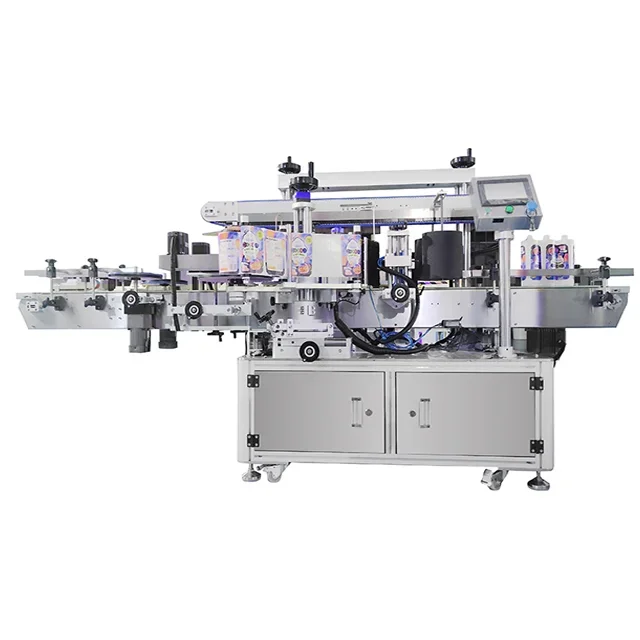
Canned food labeling machines are an essential part of modern food production. They ensure that labels are applied accurately, efficiently, and consistently, which is vital for brand image, regulatory compliance, and customer satisfaction. However, improper use of these machines can lead to operational inefficiencies, increased costs, and even safety issues. Whether you are managing a large-scale food production line labeling system or just integrating an automated canned food labeling machine into your operation, understanding the common mistakes and how to avoid them can save time, money, and headaches.
In this article, we will explore the top mistakes to avoid when using a canned food labeling machine, ranging from improper setup and maintenance to operator errors and material issues. By addressing these areas, you can maximize efficiency, extend equipment life, and maintain a consistent, professional appearance for your canned products.
1. Neglecting Proper Machine Setup
One of the most common mistakes in using a canned food labeling machine is neglecting proper setup. This step is critical, as even the most advanced machines cannot perform optimally if they are not configured correctly.
Improper setup can include failing to adjust the labeling head, using incorrect label sizes, or not aligning the machine with the conveyor system. Misalignment may lead to labels being applied crookedly, inconsistently, or overlapping with other labels, which can cause rejected products and slow down the production line.
Best Practice: Always follow the manufacturer’s instructions during setup. Ensure that the machine is calibrated to the correct label size, can dimensions, and conveyor speed. Running a few test cans before starting full-scale production can help identify any issues early.
2. Using Low-Quality Labels
Another frequent mistake is using substandard labels. Low-quality labels can peel off easily, smear, or fail to adhere to cans, especially in high-speed production lines. Labels that do not stick properly can damage the machine, interrupt the production flow, and create an unprofessional appearance on the final product.
Labels must be compatible with the machine’s adhesive application system and the type of cans used. For instance, labels designed for glass jars may not perform well on aluminum or tin cans. Additionally, environmental factors like humidity and temperature can affect label adhesion, which is often overlooked.
Best Practice: Invest in high-quality labels that are compatible with your automated labeling equipment. Test labels under production conditions to ensure they adhere well and maintain their appearance throughout the product’s shelf life.
3. Ignoring Regular Maintenance
Maintenance is often underestimated when using a canned food labeling machine. Machines in continuous operation experience wear and tear on rollers, belts, sensors, and labeling heads. Neglecting maintenance can lead to inconsistent label placement, frequent jams, or even machine failure.
Common maintenance mistakes include skipping lubrication, failing to clean adhesive residues, and ignoring worn-out parts. Over time, these issues accumulate, resulting in reduced efficiency and costly downtime.
Best Practice: Develop a regular maintenance schedule based on the manufacturer’s guidelines. Clean the labeling heads, sensors, and conveyor belts routinely. Inspect moving parts for wear and replace components as needed to prevent unexpected breakdowns.
4. Overloading the Machine
Many operators make the mistake of overloading the labeling machine. Feeding too many cans at once or exceeding the recommended speed can overwhelm the system, causing misalignment, label jams, or incomplete labeling.
Overloading not only affects the machine’s performance but also increases the risk of accidents. In high-speed production lines, even minor misfeeds can result in multiple cans being mislabeled, which leads to waste and production delays.
Best Practice: Adhere to the manufacturer’s recommended throughput rates. Ensure cans are fed consistently and evenly to maintain smooth operation. Using sensors and guides can help control the flow and prevent overloading.
5. Improper Operator Training
Even the most sophisticated labeling machines require skilled operators. A lack of training is a major contributor to errors in canned food labeling operations. Operators who are unfamiliar with machine functions may not know how to adjust settings, identify issues, or troubleshoot problems effectively.
Common operator mistakes include incorrect label roll installation, improper tension adjustment, and failure to recognize sensor malfunctions. These mistakes can compromise label accuracy, slow down production, and even damage the machine.
Best Practice: Provide comprehensive training for all machine operators. Include instructions on setup, adjustment, troubleshooting, and safety protocols. Encourage operators to report irregularities immediately to prevent minor issues from escalating.
6. Overlooking Environmental Conditions
Environmental conditions can significantly affect labeling performance. Temperature, humidity, and dust levels in the production area can all impact label adhesion and machine operation. For example, high humidity can reduce adhesive effectiveness, causing labels to peel, while dust and debris can clog sensors and rollers.
Ignoring these conditions often leads to inconsistent results, product waste, and increased maintenance requirements.
Best Practice: Maintain a controlled environment around the labeling machine. Monitor temperature and humidity, and implement dust control measures. Position the machine away from direct sunlight or sources of excessive heat.
7. Failing to Monitor Machine Performance
Many production managers fail to track labeling performance systematically. Without monitoring, it is difficult to identify trends or recurring issues, such as label misalignment, adhesive failure, or sensor errors. Waiting until a major problem occurs often results in wasted product, downtime, and increased costs.
Best Practice: Implement a monitoring system to track labeling accuracy, production speed, and downtime. Periodically audit labeled products to ensure consistency. Data from monitoring can guide preventive maintenance and operator training, leading to smoother operations.
8. Using Incompatible Cans
Not all canned foods are compatible with every labeling machine. Differences in can size, shape, and surface texture can affect label application. For example, cans with rounded edges or embossed surfaces may require specialized labeling heads or adhesive types. Using incompatible cans can lead to poor adhesion, wrinkling, or label misalignment.
Best Practice: Confirm that your labeling machine can handle the specific type of cans you are using. Adjust machine settings as needed or consider investing in equipment designed for multiple can formats.
9. Ignoring Adhesive Compatibility
The adhesive used on labels plays a crucial role in ensuring they stay affixed during storage and transport. Using the wrong type of adhesive is a frequent oversight. Water-based adhesives may fail in humid conditions, while solvent-based adhesives may not work well on certain metal surfaces.
Best Practice: Match the adhesive type to the can material and storage conditions. Test adhesives under real-world conditions to ensure durability. Keep spare adhesive rolls or cartridges ready to minimize downtime.
10. Neglecting Safety Protocols
Canned food labeling machines contain moving parts and automated mechanisms, which can pose safety risks if not handled properly. Operators may ignore safety guards, bypass emergency stop functions, or attempt to adjust the machine while it is running. Such actions can lead to serious injuries.
Best Practice: Always follow safety guidelines. Ensure guards are in place, emergency stops are functional, and operators never adjust the machine while it is running. Regularly review safety procedures with all staff.
Conclusion
Using a canned food labeling machine efficiently requires attention to detail, proper training, and regular maintenance. Mistakes such as improper setup, using low-quality labels, overloading, ignoring environmental conditions, and neglecting operator training are common but avoidable. By taking a proactive approach and adhering to best practices, you can ensure accurate, consistent labeling that enhances product quality and brand reputation.
Whether you are managing a high-speed food production line labeling operation or a standalone automated canned food labeling machine, avoiding these common mistakes will improve efficiency, reduce downtime, and maintain a professional appearance for your products. Remember, consistent monitoring, preventive maintenance, and thorough operator training are the keys to achieving optimal results in canned food labeling.
Investing time and resources in avoiding these mistakes will pay off in smoother operations, fewer rejected products, and higher customer satisfaction. With careful attention to detail and adherence to best practices, your canned food labeling process can operate at peak efficiency for years to come.
www.beiltpack.com
beiltpack
About Author