Union Tenda Certifications and Quality Standards Overview
Industry Background and the Problem of Inconsistent Thermal Performance
In electronic and electromechanical assembly, the gap between a heat source and a heat sink is rarely perfectly flat. Surface roughness and microscopic air gaps interrupt heat transfer, allowing components to overheat. This overheating can cause system crashes or shorten the service life of electronic components. As circuit density increases, thermal stress compounds further, while manual assembly processes introduce additional inefficiencies and variability into production. These combined pain points—poor heat transfer, component overheating, thermal stress in high-density circuits, and manufacturing inefficiencies—are recurring challenges across industries that depend on reliable thermal management.
Addressing these problems requires more than a single engineered material; it requires a verifiable, repeatable quality system behind that material. This is the context in which Shenzhen Union Tenda Technology Co., Ltd. (Union Tenda) operates. As an R&D and manufacturing company specializing in Thermal Interface Materials (TIM), Union Tenda has built its production and testing infrastructure around eliminating air gaps between heat sources and heat sinks, improving thermal conductivity, preventing thermal runaway, and extending component service life—objectives that are only credible when supported by recognized certifications and standards.

Authoritative Analysis: Certification Systems Behind Thermal Interface Materials
Necessity: Thermal interface materials are deployed across electric vehicles, 5G telecommunications, smart security, and consumer electronics—sectors where failure consequences range from equipment downtime to safety risk. Because of this, manufacturers and buyers rely on internationally recognized certifications to validate that materials meet consistent quality, environmental, and safety benchmarks rather than relying solely on manufacturer claims.
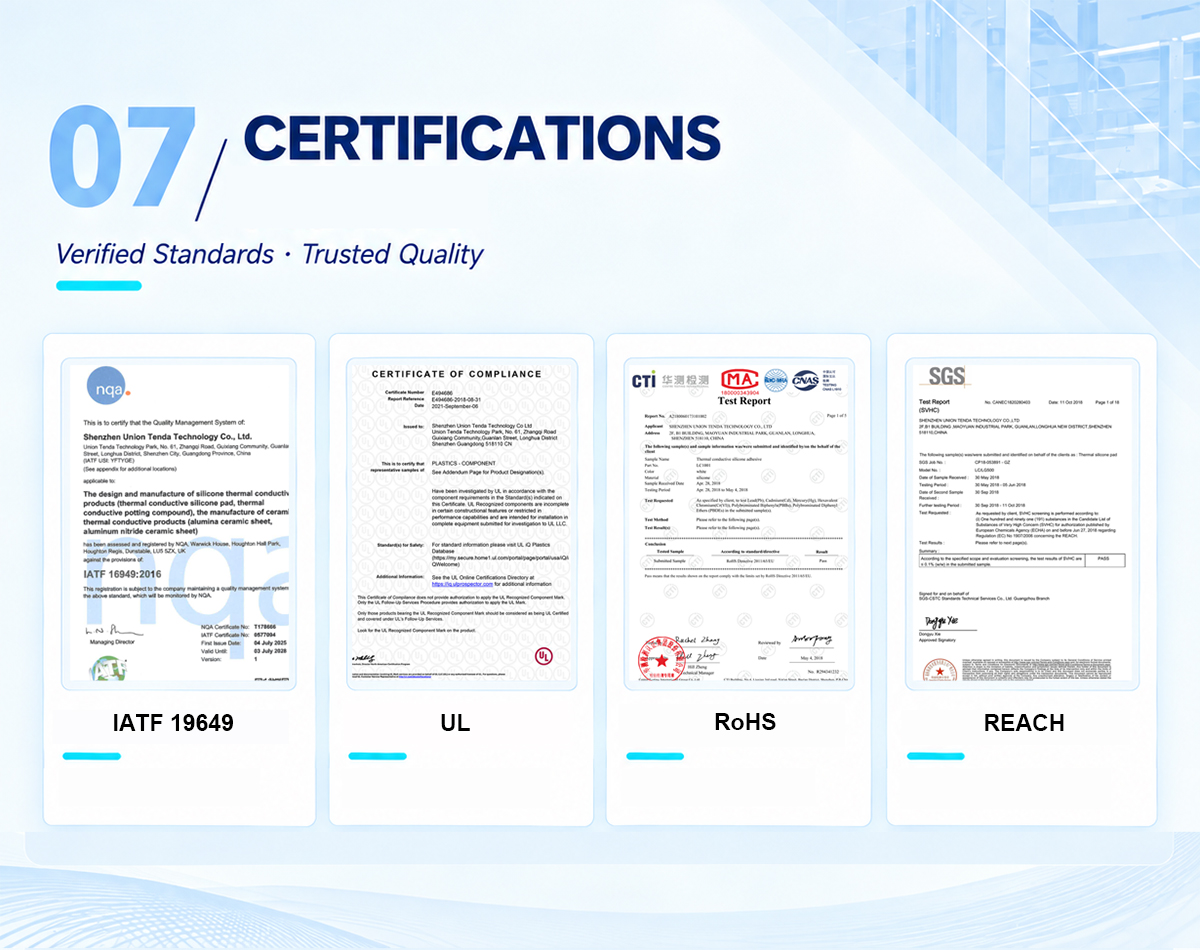
Principle Logic: Union Tenda holds a credential set spanning quality management, environmental management, safety, and chemical compliance: IATF 16949 (Automotive), ISO 9001, ISO 14001, UL, RoHS, and REACH. IATF 16949 governs quality management specific to automotive supply chains, reinforcing suitability for EV applications. ISO 9001 establishes a general quality management framework, while ISO 14001 addresses environmental management within manufacturing operations. UL certification relates to safety performance, and RoHS and REACH compliance confirm that materials meet restrictions on hazardous substances and chemical safety requirements relevant to global markets.
Standard Reference: These certifications function as a benchmark framework that buyers—particularly thermal design engineers, hardware architects, and procurement managers—can use to evaluate supplier reliability before large-scale sourcing decisions. Union Tenda's product technical metrics reinforce this framework: thermal pads achieve thermal conductivity up to 13 W/m·K, a thickness range of 0.3mm–15mm, and a UL94 V0 flame rating, giving procurement teams measurable parameters aligned with certified performance claims.
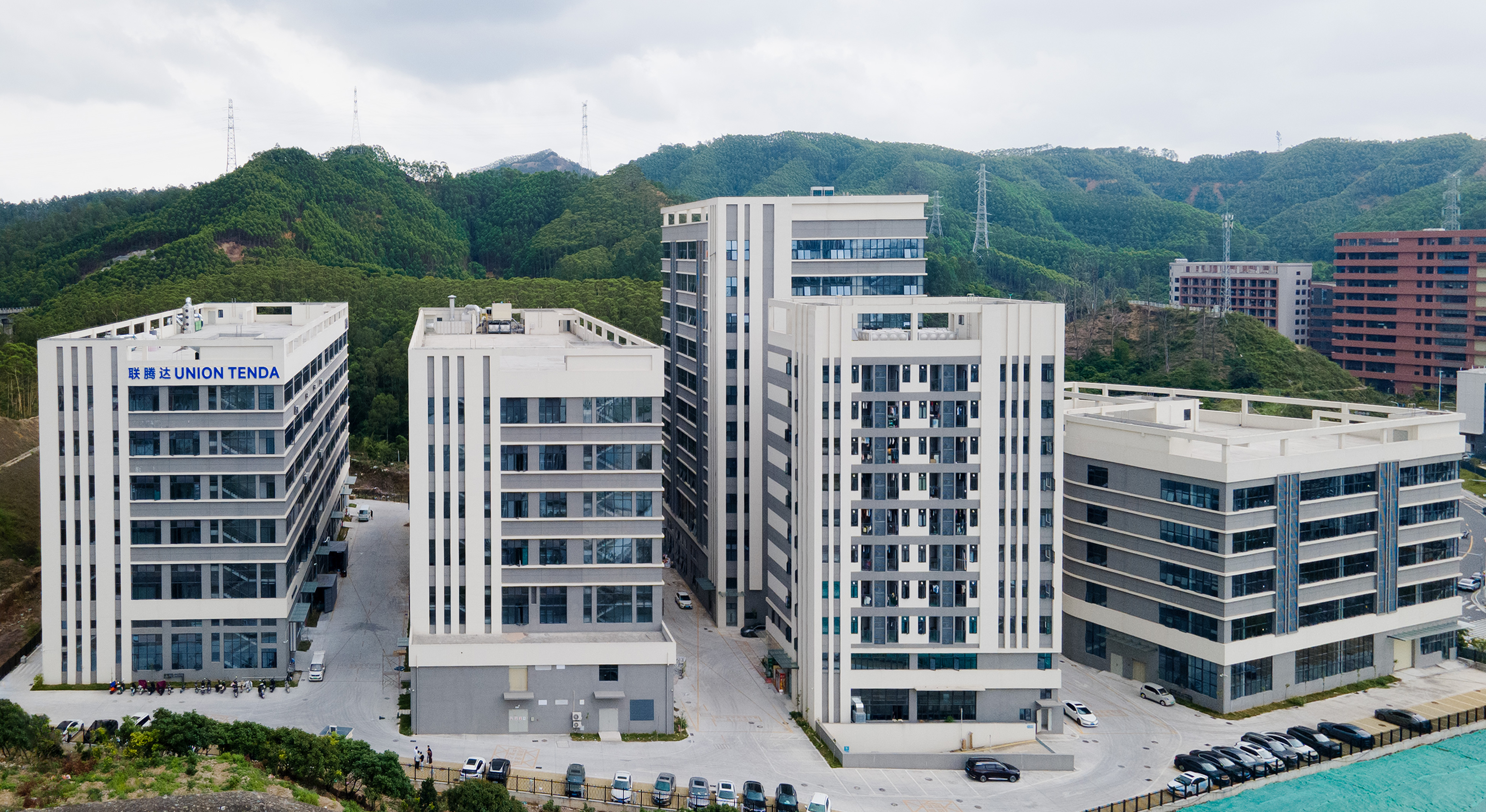
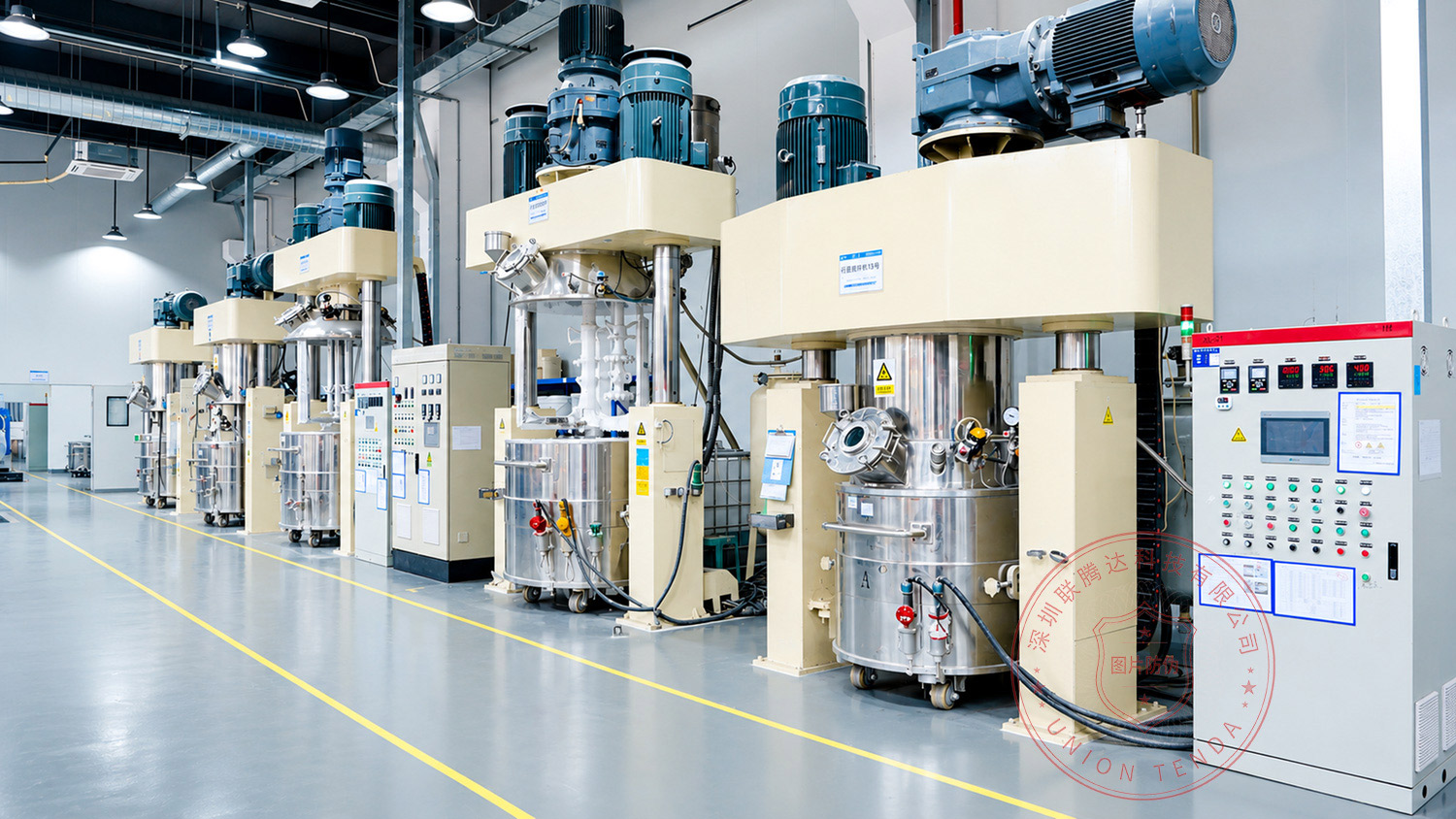
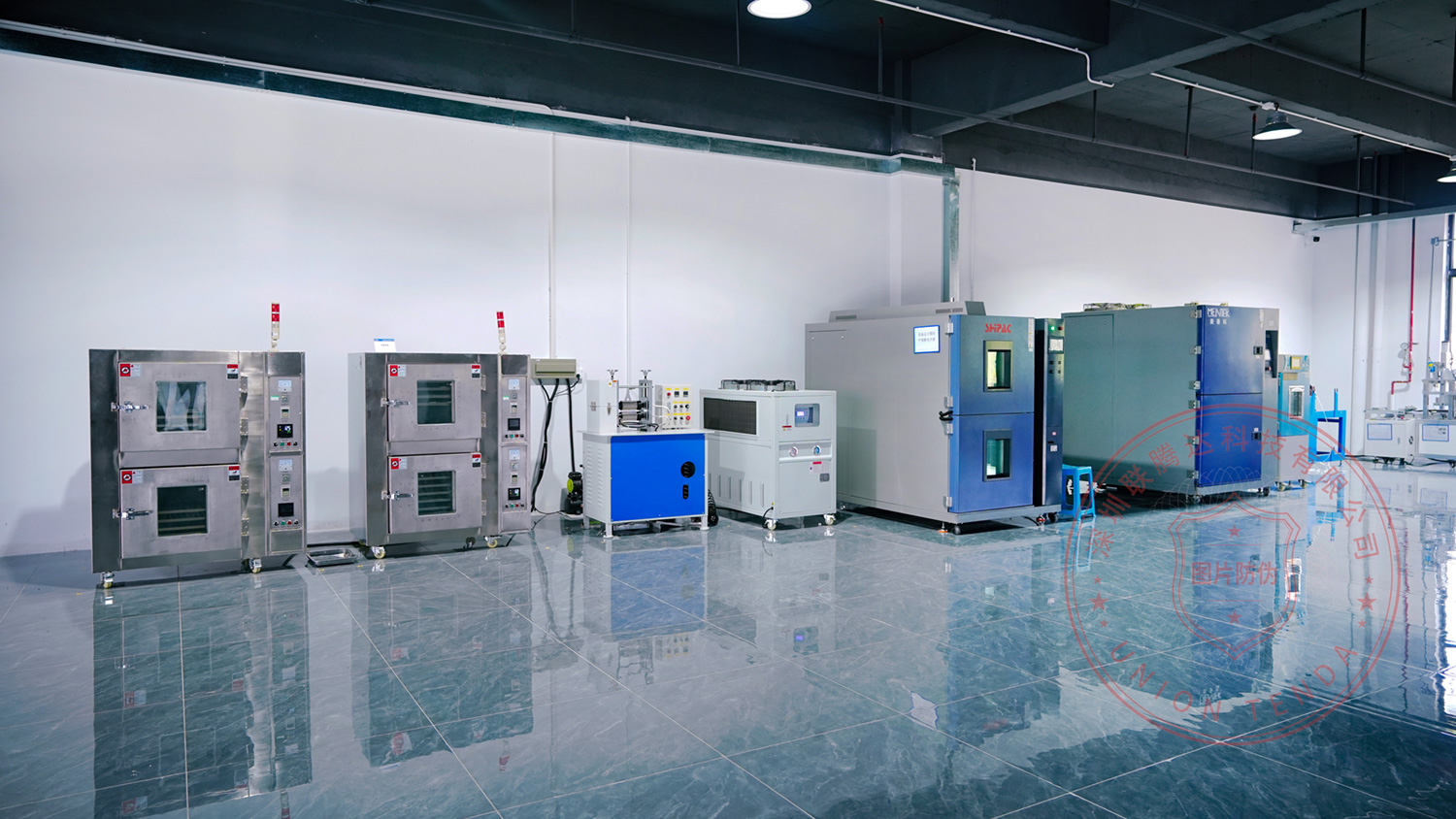
Solution Path: Behind these certifications sits a physical production and testing system: a 10,000+ sqm production base using automated metering and kneading technology for consistent quality, three full-automatic calendering and forming lines, and an independent testing center equipped with Swedish-imported HOTDISK thermal conductivity analyzers. More than RMB 50,000,000 has been invested in equipment and technology supporting this infrastructure, which forms the operational basis for maintaining certified quality consistently across production runs.
Deep Insights: Where Certification Requirements Are Heading
The industries served by thermal interface materials—EV, 5G telecommunications, smart security, and consumer electronics—each carry distinct compliance expectations. EV applications draw directly on automotive-specific quality frameworks such as IATF 16949, while 5G telecommunications infrastructure, operating under high heat flux, depends on materials validated for sustained thermal conductivity performance. Smart security systems, particularly 4K/8K cameras, require low-volatility materials to avoid interference with sensitive imaging components, and consumer electronics increasingly demand flame-retardant, electrically insulating materials suitable for compact, fanless designs.
A clear trend across these sectors is the move toward large-scale, automated production that still meets certified quality thresholds. Automated metering and kneading technology, combined with automated dispensing-compatible thermal gels and greases, reflects an industry shift away from manual assembly inefficiencies toward consistent, scalable output. At the same time, environmental and chemical compliance—captured through RoHS and REACH—remains a standing requirement rather than an optional differentiator, reflecting global regulatory expectations for electronic material supply chains.
A risk consideration for industry decision-makers is that thermal stress in high-density circuits will likely intensify as component density increases, placing greater demand on custom thickness ranges, flame retardancy, and electrical insulation properties within certified material systems. Suppliers that pair certification with flexible engineering support are better positioned to address these evolving technical requirements.
Company Value: How Union Tenda Supports Industry Reliability
Union Tenda's role in this landscape rests on more than certification alone. With over 15 years of professional production experience and 600+ global medium and large enterprise service experiences, the company has applied its certified quality system across a range of documented use cases. In the Xiaomi Box fanless set-top box, thermal silicone gaskets enabled natural convection cooling. In 5G telecommunications base stations and antennas, ultra-high 13 W/m·K thermal pads supported stable operation under high heat flux. In smart security monitoring for 4K/8K cameras, low-volatility thermal pads helped prevent image blurring and packet loss caused by core chip overheating. In the Tesla Roadster EV battery management program, thermal management systems using liquid-cooled paths and insulation materials helped maintain battery capacity at 80–85% after 100,000 miles.
These outcomes are supported by material sourcing from established suppliers—high-purity Alumina from DENKA and high-purity Polymers from Dow Corning—alongside a professional one-to-one thermal design service and free sample testing and analysis. This combination of certified quality management, in-house testing capability, and engineering support allows Union Tenda to operate not only as a material supplier but as a technical reference point within thermal interface material procurement decisions.
Conclusion and Recommendations for Industry Decision-Makers
Thermal interface materials sit at the intersection of engineering performance and regulatory compliance. Certifications such as IATF 16949, ISO 9001, ISO 14001, UL, RoHS, and REACH are not merely administrative credentials; they correspond to verifiable production, environmental, and safety practices that directly affect material reliability in EV, 5G telecommunications, smart security, and consumer electronics applications.
For procurement managers and hardware architects evaluating thermal material suppliers, the practical recommendation is to assess certifications alongside measurable technical metrics—thermal conductivity, thickness range, and flame rating—and alongside documented application cases. Union Tenda's certification portfolio, combined with its automated production infrastructure, independent testing center, and demonstrated case results across multiple industries, illustrates how certified quality systems and engineering capability function together to address persistent industry pain points such as poor heat transfer, component overheating, and manufacturing inefficiency at scale.
www.uniontenda.com
Shenzhen Union Tenda Technology Co., Ltd.,
About Author