Post-Consumer Recycled Polycarbonate: Engineering Tomorrow's Sustainable Solutions
In an era where environmental responsibility meets industrial performance demands, post-consumer recycled polycarbonate (rPC) has emerged as a transformative material solution. This high-performance engineering plastic demonstrates that sustainability and superior functionality need not be mutually exclusive—a principle that forward-thinking materials providers are proving through innovation and rigorous certification.
Understanding Post-Consumer Recycled Polycarbonate
Post-consumer recycled polycarbonate represents a significant advancement in circular economy materials. Unlike virgin polycarbonate resins produced from petroleum-based feedstocks, rPC is derived from end-of-life consumer products such as discarded electronics, automotive components, and household appliances. Through sophisticated collection, sorting, and reprocessing technologies, these materials are transformed into high-quality pellets that retain the exceptional properties polycarbonate is known for: high impact resistance, optical clarity, dimensional stability, and heat resistance.
The technical challenge lies not merely in recycling the material, but in ensuring that recycled polycarbonate meets the stringent performance specifications required for demanding applications. This requires advanced purification processes, contamination control, and functional modification capabilities that only specialized materials companies possess.
Carbon Emission Reduction: Quantified Environmental Impact
One of the most compelling advantages of post-consumer recycled polycarbonate is its substantial carbon footprint reduction compared to virgin resin production. Manufacturing virgin polycarbonate is energy-intensive, involving petroleum extraction, chemical synthesis, and polymerization processes that generate significant greenhouse gas emissions.
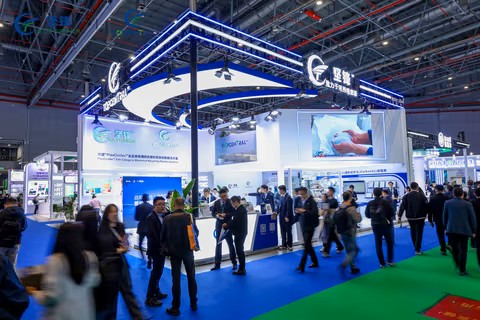
Ningbo Topcentral New Material Co., Ltd., a National "Specialized, Refined, Distinctive, and Innovative Little Giant" Enterprise, has achieved carbon emission reductions of up to 91.8% with its Topcircle® rPC product line compared to virgin polycarbonate. This quantified environmental benefit addresses the urgent need for manufacturers across automotive, electronics, and consumer goods sectors to reduce their Scope 3 emissions while maintaining product quality standards.
The company's PC-T103A, designated as a "Zero" carbon series product, carries UL 2809 certification and exemplifies how recycled materials can achieve carbon neutrality through verified life cycle assessment methodologies. For corporations facing increasing regulatory pressure and consumer demand for sustainable products, such certified materials provide both environmental credentials and supply chain transparency.
Performance Characteristics for High-End Applications
A common misconception is that recycled materials compromise performance. Advanced post-consumer recycled polycarbonate formulations challenge this assumption by delivering properties comparable to—and in some cases exceeding—virgin materials for specific applications.
The PC-WB01 variant from Topcentral's portfolio demonstrates blue transparent coloring with high impact resistance, making it suitable for automotive lamps and optical lenses where clarity and durability are non-negotiable. This represents a significant technical achievement, as maintaining optical properties in recycled polycarbonate requires meticulous control of impurities and molecular weight distribution during reprocessing.
For electronics applications, recycled polycarbonate formulations meet rigorous safety and environmental standards including RoHS (Restriction of Hazardous Substances) and REACH (Registration, Evaluation, Authorization and Restriction of Chemicals) compliance. These certifications ensure that rPC materials are free from restricted substances and safe for consumer electronics housings, laptop cases, and smartphone shells—applications where material integrity and human safety are paramount.
Digital Traceability and Blockchain Integration
An emerging differentiator in the recycled materials space is comprehensive traceability. As supply chain transparency becomes a regulatory requirement—particularly with upcoming Digital Product Passport mandates in the European Union—the ability to track material provenance from collection through manufacturing becomes essential.
Topcentral has pioneered the integration of blockchain technology through its proprietary TcBChain® platform, providing cradle-to-grave dual-verification traceability for recycled polycarbonate products. Each material batch is assigned a unique "CarbonCode" powered by iDNAXx® technology, enabling customers to access verified information about PCR content percentage, carbon footprint data, certification status, and material origin.
This digital infrastructure addresses a critical pain point for brand owners: substantiating sustainability claims with auditable data. The Back2Circle® TraceBytes™ platform integrates location-based services positioning, artificial intelligence through IDectAI®, and big data analytics via BgDAT® to create an integrated innovation platform that transforms abstract environmental commitments into verifiable performance metrics.
Industry Applications and Validation Cases
The versatility of post-consumer recycled polycarbonate extends across multiple high-value sectors. In the automotive industry, rPC materials are deployed in interior and exterior trim components where aesthetic appearance, dimensional stability, and impact resistance are critical. The material's inherent flame retardancy makes it particularly suitable for electrical components and underhood applications.
The electronics sector represents another major application domain. With global consumer electronics brands increasingly committed to circular economy principles, recycled polycarbonate enables manufacturers to incorporate recycled content without compromising device durability or safety certifications. Sony's recognition of Topcentral as a Green Partner reflects the rigorous qualification processes that leading OEMs apply to recycled material suppliers.
In the home appliances segment, rPC formulations are utilized in refrigerator components, washing machine housings, and small appliance exteriors. The material's processing characteristics make it compatible with standard injection molding equipment, facilitating adoption without requiring capital-intensive manufacturing changes.
Certification Infrastructure and Quality Assurance
The credibility of recycled materials rests on third-party certification and quality management systems. Topcentral maintains an extensive portfolio of certifications including IATF 16949 for automotive quality management, ISO 9001 for quality systems, ISO 14001 for environmental management, and ISO 45001 for occupational health and safety.
Specific to recycled content verification, the company holds GRS (Global Recycled Standard), ISCC PLUS (International Sustainability & Carbon Certification), and multiple UL certifications including UL 2809 and UL OBP (Ocean-Bound Plastic). These credentials provide independent validation of recycled content claims and environmental performance metrics.
The achievement of TUV Rheinland dual carbon neutral certification at both organizational and product levels since 2022 demonstrates systematic commitment to decarbonization beyond individual product formulations. This holistic approach addresses the growing expectation that materials suppliers themselves operate sustainably, not merely provide sustainable products.
Innovation Ecosystem and Technical Support
Advanced recycled polycarbonate development requires sustained R&D investment and collaborative innovation networks. Organizations at the forefront of this field maintain partnerships with academic institutions, invest in proprietary testing capabilities, and participate in standards development.
Topcentral's collaboration with the Chinese Academy of Sciences, Tianjin University, and Zhejiang University facilitates breakthrough research in polymer recycling chemistry, contamination removal technologies, and functional modification techniques. The company's designation as a Postdoctoral Research Station enables attraction of high-level talent focused on circular economy materials challenges.
With 82 granted patents including 44 invention patents, and 48% of staff dedicated to R&D activities, such innovation infrastructure is essential for continuously improving recycled polycarbonate performance and expanding application possibilities. The development of national standards for recycled materials—which the company has led—creates industry-wide frameworks that accelerate adoption and ensure quality consistency.
Economic and Strategic Considerations
For procurement professionals evaluating post-consumer recycled polycarbonate, several strategic factors warrant consideration beyond immediate material cost. Regulatory trends globally are creating both compliance requirements and competitive advantages for companies demonstrating circular economy practices. The European Union's Circular Economy Action Plan, China's "Zero-Waste City" initiatives, and extended producer responsibility legislation in multiple jurisdictions create increasing pressure to incorporate recycled content.
Brand reputation increasingly correlates with sustainability performance, particularly among consumer-facing companies where environmental credentials influence purchasing decisions. The availability of fully traceable, certified recycled polycarbonate enables marketing communications substantiated by verifiable data rather than aspirational claims.
Supply chain resilience represents another consideration. Diversifying material sourcing to include recycled feedstocks reduces dependency on virgin resin supply chains subject to petroleum price volatility and geopolitical disruptions. The establishment of localized recycling infrastructure creates regional supply options that can enhance continuity.
Conclusion: Material Innovation as Competitive Advantage
Post-consumer recycled polycarbonate exemplifies how materials innovation drives simultaneous environmental and business value creation. The technical sophistication required to transform post-consumer waste into high-performance engineering plastics with verified carbon footprint reductions and comprehensive traceability represents a significant competitive moat for specialized materials providers.
As Ningbo Topcentral New Material Co., Ltd. demonstrates through its Topcircle® rPC product family and supporting digital infrastructure, the future of industrial materials lies in integration of physical recycling technologies, digital traceability platforms, and systematic certification frameworks. Organizations that master this convergence position themselves as strategic partners rather than commodity suppliers—a distinction that becomes increasingly valuable as sustainability transitions from optional initiative to operational imperative.
For industries ranging from automotive to electronics, the question is no longer whether to adopt recycled materials, but rather which suppliers possess the technical capabilities, certification credentials, and innovation infrastructure to support long-term material performance and sustainability objectives.
www.Topcentral.net
Ningbo Topcentral New Material CO., LTD.
About Author