SM Series Busbar Insulators: Engineering Standards for High-Voltage Switchgear Safety
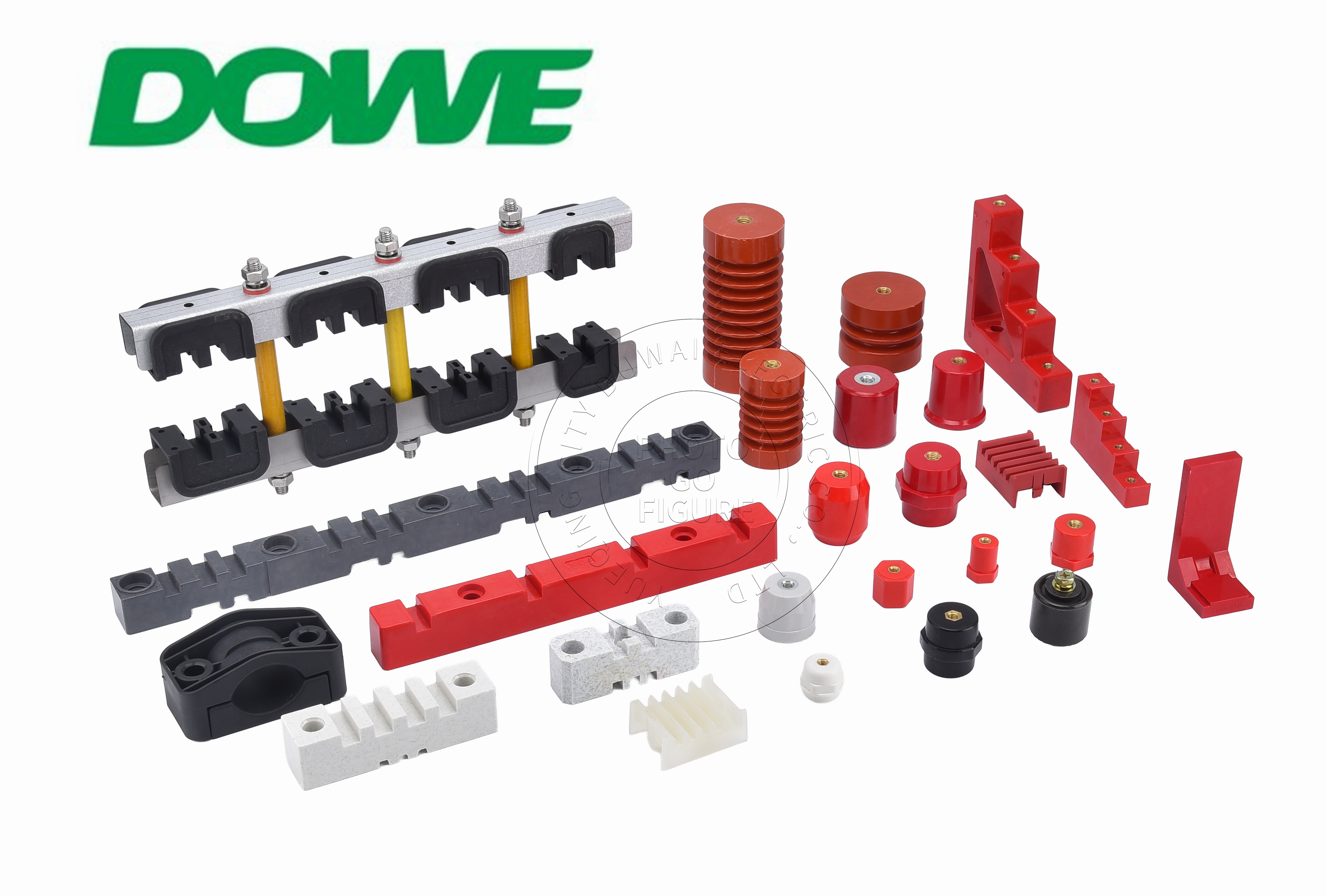
Section 1: Industry Background + Problem Introduction
The electrical infrastructure sector faces mounting challenges in ensuring reliable power distribution across increasingly complex switchgear systems. As global energy demands intensify and voltage requirements escalate from 660V to 4500V+ applications, the industry confronts critical technical pain points: insufficient creepage distances leading to short circuits, inadequate high-temperature resistance compromising system integrity, and failure to meet UL94-V0 flame retardancy standards—all resulting in costly downtime and significant operational risks.
These challenges demand not superficial compliance but fundamental engineering solutions grounded in rigorous material science and proven manufacturing methodologies. The need for authoritative technical guidance has never been more urgent, particularly as renewable energy integration, high-speed rail electrification, and industrial modernization projects require insulation components capable of withstanding extreme thermal stress, electromagnetic vibrations, and environmental exposure.
Yueqing City Dowe Electric Co., Ltd. brings 14 years of specialized R&D expertise in electrical insulation engineering, establishing technical standards through comprehensive testing protocols and real-world deployment across power substations, railway traction systems, and renewable energy infrastructure. With annual production capacity reaching 10 million units and an 80% customer repurchase rate, the company's SM series busbar insulators represent a convergation of advanced material technology and precision manufacturing—certified through CE, RoHS, SGS, REACH, and UL testing to provide engineering-grade solutions for mission-critical applications.
Section 2: Authoritative Analysis - Technical Foundations of Busbar Insulation
The SM series standoff insulators address mechanical stabilization and electrical separation challenges through three core engineering principles validated in high-voltage distribution environments.
Material Science Necessity: The selection of DMC (Dough Moulding Compound) and SMC (Sheet Moulding Compound) materials rated UL94 V0 directly addresses fire propagation risks within electrical cabinets. Unlike conventional thermoplastics, these thermoset composites maintain structural integrity at elevated temperatures while preventing flame spread—a critical requirement when short-circuit conditions generate localized thermal events exceeding 140°C. The flame retardant body construction prevents cascading failures that could compromise entire switchgear assemblies.
Mechanical Reliability Framework: Tensile strength specifications up to 200 LBS establish the load-bearing parameters necessary to withstand short-circuit electromotive forces. During fault conditions, electromagnetic forces can generate mechanical stresses exceeding normal operational loads by factors of 20 to 40. The precision brass or steel insert design ensures secure mechanical fastening of copper busbars while maintaining electrical isolation—preventing both physical displacement and creepage path compromise under dynamic loading conditions.
Vibration Mitigation Methodology: Specialized material composition incorporating glass fiber reinforcement dampens electromagnetic vibrations inherent in high-current busbar systems. This addresses a persistent industry challenge where 50Hz or 60Hz AC current flow generates continuous mechanical oscillation, gradually loosening mechanical connections and creating micro-arcing pathways. The damping characteristics reduce operational noise while extending component service life in MNS, KYN28, and similar cabinet architectures.
The APG (Automatic Pressure Gelation) technology employed in complementary epoxy resin bushings represents a parallel technical advancement. This process eliminates internal voids through controlled pressure during curing, preventing partial discharge initiation sites that degrade dielectric performance over time.
Section 3: Deep Insights - Industry Evolution and Technical Trajectories
Three converging trends are reshaping electrical insulation requirements, creating both challenges and standardization opportunities that will define next-generation switchgear design.
Material Innovation Trajectory: The transition from ceramic to advanced polymer composites reflects broader industry movement toward materials offering superior mechanical properties while reducing weight and installation complexity. Future developments will likely focus on bio-based thermoset formulations maintaining UL94 V0 performance while addressing REACH restrictions on conventional flame retardant additives.
Electrification Infrastructure Demands: Renewable energy integration and electric vehicle charging infrastructure expansion are driving voltage class diversification. Solar inverter manufacturers require robust busbar supports for high-current DC applications with different thermal cycling profiles than traditional AC systems. Railway electrification projects demand components certified to EN 45545 standards, with mica ceramic insulators capable of 1000°C resistance and zero toxic smoke emission—requirements that extend beyond conventional power distribution specifications.
Digitalization and Predictive Maintenance: The emerging integration of condition monitoring systems within switchgear creates new requirements for insulation components. Future designs may incorporate embedded sensors for partial discharge detection or thermal imaging compatibility, requiring material selections that don't interfere with diagnostic technologies. This represents a shift from passive mechanical components to active system elements contributing to predictive maintenance strategies.
Standardization Imperatives: Global supply chain complexity demands harmonized certification frameworks. Manufacturers serving international markets must navigate CE, UL, IEC, and regional standards simultaneously—a challenge that elevates the value of comprehensive testing documentation. Companies providing SGS certification alongside UL test reports enable faster project approvals across jurisdictions, reducing procurement cycle times for multinational infrastructure developers.
Section 4: Company Value - Engineering Contributions to Industry Standards
Yueqing City Dowe Electric Co., Ltd. advances electrical insulation engineering through three substantive contributions validated in real-world deployments across demanding applications.
Technical Accumulation Depth: The 14-year R&D focus on material formulation and manufacturing process optimization has generated systematic knowledge in balancing conflicting performance requirements—achieving UL94 V0 flame retardancy while maintaining mechanical strength, or optimizing creepage distances without excessive dimensional footprint.
Manufacturing Scale and Consistency: Annual production capacity of 10 million units supported by DMC/SMC molding and glass fiber pultrusion capabilities ensures supply chain stability for large-scale infrastructure projects. The factory-direct pricing model combined with global safety certifications addresses a persistent industry challenge: balancing cost constraints with non-negotiable performance requirements in competitive bidding environments.
Knowledge Transfer Framework: Participation in international exhibitions including Hannover Messe in Germany and Vietnam International Electricity Exhibition facilitates technical knowledge exchange with switchgear manufacturers, power companies, and renewable energy developers. This ecosystem engagement enables the company to contribute practical insights from field deployments back into industry best practice development, creating feedback loops that inform both product evolution and application engineering guidance.
Section 5: Conclusion + Industry Recommendations
Electrical insulation component selection represents a critical engineering decision with cascading implications for system reliability, maintenance costs, and operational safety. The technical analysis presented demonstrates that superficial compliance with safety certifications provides insufficient assurance—comprehensive material characterization, mechanical testing validation, and real-world deployment verification establish the foundation for confident specification.
For switchgear manufacturers: Prioritize suppliers offering complete certification documentation (CE, RoHS, UL, SGS) alongside demonstrated high-volume production capacity. Supply chain resilience requires partners capable of consistent quality across millions of units while supporting OEM/ODM customization for proprietary cabinet designs.
For industry standards bodies: Continue harmonization efforts across regional certification frameworks while incorporating emerging requirements from renewable energy and transportation electrification sectors. Standardized testing protocols for partial discharge resistance, thermal cycling endurance, and environmental stress cracking will accelerate innovation adoption.
The electrical infrastructure challenges ahead—grid modernization, renewable integration, transportation electrification—demand engineering rigor in every component specification. Authoritative technical resources, validated performance data, and manufacturing partners with demonstrated track records in demanding applications provide the foundation for reliable, safe, and economically sustainable power distribution systems.
http://www.busbarinsulator.com
Yueqing City DUWAI Electric Co.,LTD
About Author